Dinner · Part 2 of 3: Instructions
Pan-Seared Ribeye Steak with Butter and Herbs Step-by-step instructions
- Prep
- Cook
- Total
- Serves
- 2
Before you start
Before beginning, take the steaks out of the refrigerator and pat them thoroughly dry with paper towels. A dry surface is the most critical factor in achieving a perfect sear.
While the meat is being prepped, gather the butter and herbs, and have your tongs and meat thermometer ready. Ensure the kitchen is well-ventilated, as high-heat searing can produce smoke. Keep the meat cold in the refrigerator until you are ready to start the searing process.
Ingredients at a glance (3)
- 2 pieces ribeye steak, about 1-inch thick
- 2 tbsp unsalted butter
- 2 sprigs fresh herbs, such as rosemary or thyme
Instructions
Searing the Exterior
- Sear the SteakHeat a heavy cast-iron skillet over high heat until it is very hot. Place the steaks into the hot skillet carefully. Sear the steaks for 3 to 4 minutes per side without moving them to develop a deep brown crust.Look for The skillet should be smoking hot before adding the meat.Tip Do not crowd the pan, as this causes the meat to steam instead of sear.
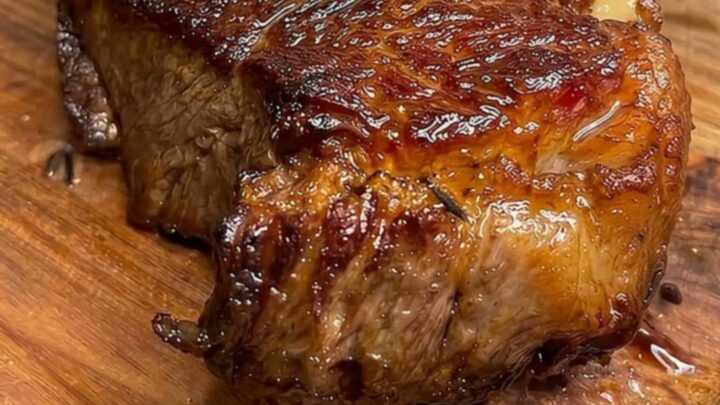
At the end of this phase, the steaks should have a uniform, dark brown crust on the bottom side. The edges of the meat should look seared and the surface should be firm to the touch. Ensure the pan is still very hot before flipping the steaks to continue the cooking process on the second side.
Basting with Butter
- Baste with ButterReduce the heat to medium and add the butter and fresh herb sprigs to the skillet. As the butter melts and foams, tilt the pan slightly and use a large spoon to continuously baste the steaks with the flavored butter for the final minutes of cooking.Look for The butter should be foaming and aromatic.Tip Basting creates a rich, complex flavor and helps cook the center evenly.
The butter should be bubbling and golden brown, filling the kitchen with the aroma of toasted dairy and fresh herbs. The steaks should be well-coated in the basting liquid, appearing glossy and rich.
Ensure you are tilting the pan to gather the butter and spooning it repeatedly over the meat for the best flavor infusion.
Resting and Serving
- Finish and RestContinue cooking until an instant-read thermometer inserted into the thickest part of the steak registers 145°F (63°C) for medium-rare. Remove the steaks from the skillet and transfer them to a warm cutting board. Let the meat rest for at least 5 minutes before slicing, which allows the juices to redistribute throughout the fibers for the most tender result.Look for The steak is done when the internal temperature reaches 145°F (63°C).Safe temperature 145°F (63°C) internal temperature (steaks, chops and roasts)Tip Slicing too early causes the flavorful juices to run out onto the board.
The steaks should be removed from the heat once they reach 145°F (63°C). As they rest, the juices will settle, and the steak will firm up slightly. The meat should look tender and juicy when sliced. Check that no juices are leaking excessively on the board before proceeding to serve.
Common mistakes
A common mistake is overcrowding the skillet, which lowers the pan temperature and prevents the crust from forming. Always leave enough space between the steaks. Avoid moving the steaks around too much while they are searing; let them sit undisturbed to allow the crust to develop properly.
Finally, never skip the resting phase, as this is essential for keeping the juices inside the meat. Ensure the pan is hot enough before adding the meat to avoid steaming.
How to tell it’s done
To determine doneness, use an instant-read thermometer inserted into the thickest part of the steak. For medium-rare, look for an internal temperature of 145°F (63°C). The crust should be dark brown and crispy, while the interior should remain tender.
If you prefer your steak more well-done, continue cooking for additional minutes, but remember that the internal temperature will continue to rise slightly as the meat rests on the cutting board.
- Steaks, chops and roasts: 145°F (63°C) in the thickest part, then a 3-minute rest
Up next · Part 3 of 3
2 variations · storage & make-ahead · 3 answers · printable card
Tips, FAQ & printable recipe (Part 3)← Back to the ingredients (Part 1)