Dinner · Part 2 of 3: Instructions
One-Pot Stuffed Shells and Meatballs Skillet Step-by-step instructions
- Prep
- Cook
- Total
- Serves
- 6
Before you start
Before starting, gather all your ingredients and equipment. Bring a large pot of salted water to a boil for the pasta. Grate the onion and mince the garlic. Measure out the breadcrumbs, herbs, salt, and pepper. Have the tomato sauce, cheeses, and fresh basil ready. The meatballs can be rolled while the water heats. This recipe moves quickly, so having everything prepped and within reach will make the process smooth and enjoyable.
Ingredients at a glance (14)
- 1 lb ground beef (80% lean)
- 1/2 cup plain breadcrumbs
- 1 large egg
- 1/4 cup grated onion
- 2 cloves garlic, minced
- 1 tsp dried Italian herbs
- 1/2 tsp kosher salt
- 1/4 tsp black pepper
- 2 tbsp olive oil
- 12 oz jumbo pasta shells
- 3 cups spiced tomato sauce
- 1 1/2 cups shredded mozzarella cheese
- 1/2 cup grated parmesan cheese
- 1/4 cup fresh basil leaves, torn
Instructions
Prepare and Brown
- Make the meatballsIn a large bowl, combine the ground beef, breadcrumbs, egg, grated onion, minced garlic, Italian herbs, salt, and pepper. Mix gently with your hands until just combined; avoid overmixing. Roll the mixture into mini meatballs, about 1 inch in diameter.Look for The mixture should be moist but hold together when rolled.Tip Wet your hands slightly to prevent sticking.
- Brown the meatballsHeat the olive oil in a large skillet over medium-high heat. Add the meatballs in a single layer and cook, turning occasionally, until browned on all sides, about 5 minutes. They do not need to be cooked through at this point.Look for The meatballs should have a deep brown crust on the outside.Tip Do not overcrowd; work in batches if needed.
At the end of this phase, the meatballs should be browned on all sides but still raw in the center. They should have a rich, caramelized crust that will add flavor to the sauce. The kitchen will smell of garlic, herbs, and seared beef.
The pasta water should be boiling, and the shells should be ready to cook. The skillet should have a nice fond on the bottom, which is a good sign—it will flavor the sauce. If the meatballs stick, add a little more oil and wait a moment before turning.
Assemble and Simmer
- Cook the pasta shellsWhile the meatballs brown, bring a large pot of salted water to a boil. Cook the jumbo pasta shells according to package directions until al dente, about 10 minutes. Drain and rinse with cool water to stop the cooking.Look for The shells should be tender but still firm enough to hold their shape.Tip Rinsing with cool water makes them easier to handle.
- Assemble the skilletReduce the heat to medium. Pour the spiced tomato sauce into the skillet with the meatballs, scraping up any browned bits. Nestle the cooked pasta shells into the sauce, open side up. Gently spoon some sauce into each shell.Look for The shells should be nestled in the sauce, with the meatballs visible.Tip If the sauce is too thick, add a splash of water or broth.
The skillet should now be filled with a vibrant red sauce, with the meatballs and shells nestled in. The shells should be open side up, cradling the sauce. The sauce should be bubbling gently around the edges. The kitchen will smell of tomatoes and herbs. The pasta shells should be tender but firm. This is the time to adjust the seasonings if needed—adding a pinch of salt or sugar to balance the acidity. The dish should look cohesive and inviting.
Cheese Melt and Serve
- Top with cheeseSprinkle the shredded mozzarella and grated parmesan evenly over the entire skillet, covering the shells and meatballs.Look for The cheese should completely cover the top.Tip Use a mix of mozzarella for melt and parmesan for flavor.
- Melt the cheeseCover the skillet with a lid and cook over low heat until the cheese is melted and bubbling, about 5 minutes. The meatballs should reach an internal temperature of 160°F (71°C).Look for The cheese should be fully melted and the sauce bubbling at the edges.Safe temperature 160°F (71°C) internal temperature (ground meat)Tip If the cheese isn't melting, remove the lid and broil briefly, watching carefully.
- Garnish and serveRemove the skillet from the heat and scatter the torn fresh basil leaves over the top. Let the dish rest for a few minutes before serving, to allow the cheese to set slightly.Look for The basil should be bright green and fragrant.Tip Serve directly from the skillet for a rustic presentation.
The cheese should be completely melted and bubbling, with a few golden spots if broiled. The sauce should be simmering around the edges, and the meatballs should be cooked through. The basil should be scattered on top, adding a fresh, green contrast.
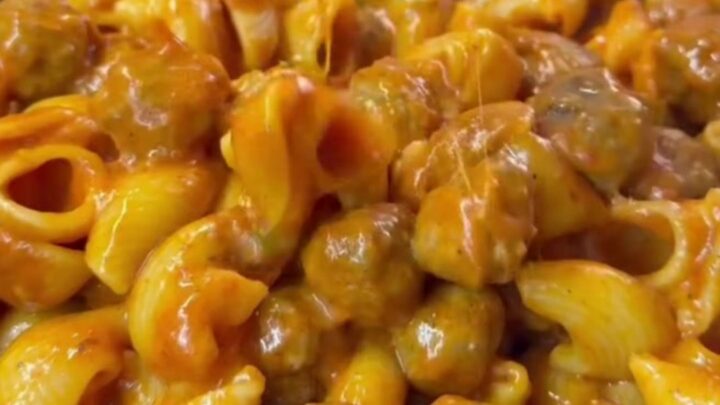
The dish should look like a rustic, cheesy skillet that's ready to be devoured. The cheese pull should be long and stretchy. Let it rest for a few minutes before serving to allow the cheese to set slightly.
Common mistakes
One common mistake is overcooking the pasta shells, which makes them too soft to hold their shape. Boil them just until al dente, as they will continue to cook slightly when simmered in the sauce. Another pitfall is overmixing the meatball mixture, which can result in tough meatballs.
Mix just until the ingredients are combined. Also, be careful not to overcrowd the skillet when browning the meatballs; if they are too close together, they will steam instead of brown. Finally, if the cheese is not melting, resist the urge to crank the heat—low and slow is better to avoid burning the bottom.
How to tell it’s done
The dish is done when the cheese is fully melted and bubbling, and the meatballs have reached an internal temperature of 160°F (71°C). The sauce should be thick and clinging to the shells, not watery. The pasta shells should be tender but still hold their shape when pierced with a fork.
The top should be golden in spots if broiled, and the basil should be bright green. Letting the skillet rest for a few minutes before serving allows the cheese to set slightly, making it easier to serve.
- Ground meat: 160°F (71°C) in the thickest part
- Egg dishes: 160°F (71°C) in the thickest part
Up next · Part 3 of 3
4 variations · storage & make-ahead · 5 answers · printable card
Tips, FAQ & printable recipe (Part 3)← Back to the ingredients (Part 1)