Dinner · Part 3 of 3: Tips & recipe card
One-Pan Zucchini Tomato Pasta with Parmesan Tips, FAQ & printable recipe
- Prep
- Cook
- Total
- Serves
- 4
Tips for success
For the best flavor, use high-quality extra virgin olive oil — it's a key ingredient, not just a cooking medium. The oil is used both for sautéing and as a finishing drizzle, so its taste matters.
When sautéing the garlic, keep the heat moderate and stir often to avoid burning, which would make the dish bitter. The zucchini should be sliced uniformly, about 1/4-inch thick, so they cook evenly. If the zucchini releases too much water, cook a little longer to let it evaporate.
Reserve more pasta water than you think you need — you can always add more, but you can't add it back once it's gone. The starchy water is what creates the silky sauce, so don't skip it.
When tossing the pasta with the vegetables, use a gentle folding motion to combine without breaking the noodles. Add the parmesan off the heat to ensure it melts smoothly. Finally, taste before serving and adjust salt — the parmesan is salty, so you may need less salt than expected.
Variations
- Add Protein: For a heartier meal, add cooked chicken, shrimp, or Italian sausage. Sauté the protein in the skillet before adding the vegetables, then set aside and return to the pan with the pasta. Adjust seasoning as needed.
- Make It Spicy: Increase the red chili flakes to 1 teaspoon or add a chopped fresh chili with the garlic. For extra heat, finish with a drizzle of chili oil or a pinch of cayenne pepper. This version pairs well with a cooling dollop of ricotta.
- Vegetable Swap: Use yellow squash, bell peppers, or asparagus instead of zucchini. Cut the vegetables into similar-sized pieces and adjust cooking time as needed. Asparagus should be added later to keep it crisp-tender.
- Creamy Version: For a richer sauce, stir in 1/4 cup of heavy cream along with the parmesan. This creates a luscious, velvety sauce that clings to the pasta. Reduce the pasta water to 1/2 cup to maintain the right consistency.
Storage and make-ahead
- Fridge
- Store leftovers in an airtight container in the refrigerator for up to 3 days.
- Freezer
- This pasta can be frozen for up to 2 months. Place in a freezer-safe container, press out air, and seal. Thaw overnight in the refrigerator before reheating.
- Reheat
- Reheat in a skillet over medium heat with a splash of pasta water or broth, stirring often, until hot.
Store any leftover pasta in an airtight container in the refrigerator for up to 3 days. The pasta will absorb some of the sauce as it sits, so when reheating, add a splash of water or olive oil to loosen it. Gently reheat in a skillet over medium heat, tossing frequently, until warmed through. The basil will lose its bright color and flavor, so it's best to add fresh basil when serving leftovers.
This dish is best made fresh, but you can prep the ingredients ahead of time. Slice the zucchini, halve the tomatoes, mince the garlic, and tear the basil up to a day in advance; store them separately in the refrigerator.
You can also cook the pasta ahead, toss it with a little olive oil, and refrigerate it. When ready to cook, follow the recipe, adding the pasta a minute earlier to warm it through. The sauce may need a bit more pasta water to achieve the right consistency.
Serving ideas
Serve this pasta as a main course with a simple green salad and crusty bread for a complete meal. It also works well as a side dish alongside grilled chicken or fish. The pasta is best enjoyed immediately after cooking, when the sauce is creamy and the vegetables are tender. For a more substantial meal, top with grilled shrimp or sliced chicken breast. A glass of crisp white wine, such as Pinot Grigio or Sauvignon Blanc, pairs beautifully with the fresh flavors.
This dish is versatile enough for a casual family dinner or a dinner party. For a prettier presentation, twirl the pasta into nests using tongs and place them in shallow bowls. Garnish with a few whole basil leaves and an extra grating of parmesan.
The colors — green, red, and gold — are vibrant and appetizing. Leftovers can be served cold as a pasta salad the next day, though the texture will be different. Enjoy the pasta warm, with a drizzle of olive oil and a sprinkle of black pepper if desired.
Frequently asked questions
Can this pasta be made gluten-free?
Why does the sauce sometimes turn out watery?
Can this recipe be made vegan?
How long does this pasta keep in the fridge?
Can the vegetables be prepped ahead of time?
One-Pan Zucchini Tomato Pasta with Parmesan
Ingredients
- 12 oz spaghetti or other long pasta
- 3 tbsp extra virgin olive oil
- 4 cloves garlic, minced
- 1/2 tsp red chili flakes
- 2 medium zucchini, thinly sliced into coins
- 2 cups cherry tomatoes, halved
- 1 cup starchy pasta water, reserved
- 1/2 cup freshly grated parmesan cheese, plus more for serving
- 1/2 cup fresh basil leaves, torn
- Kosher salt, to taste
Instructions
- Bring a large pot of salted water to a boil. Add the spaghetti and cook according to package instructions until al dente. Reserve 1 cup of the starchy pasta water before draining. Drain the pasta but do not rinse it.
- While the pasta cooks, heat the olive oil in a large skillet over medium heat. Add the minced garlic and red chili flakes, and sauté for 30 seconds until fragrant, stirring constantly to prevent burning.
- Add the sliced zucchini to the skillet in a single layer if possible. Cook for 4-5 minutes, stirring occasionally, until the zucchini is tender and golden on the edges. Season with a pinch of salt.
- Add the halved cherry tomatoes to the skillet. Cook for 2-3 minutes, stirring gently, until the tomatoes start to soften and release their juices. They should still hold their shape.
- Add the drained spaghetti to the skillet along with 1/2 cup of the reserved pasta water. Toss everything together with tongs, using a gentle tossing motion to coat the pasta with the tomato-zucchini mixture.
- Remove the skillet from the heat. Sprinkle the grated parmesan over the pasta and add the torn basil leaves. Toss vigorously until the cheese melts and creates a creamy, glossy sauce. Season with salt to taste.
- Divide the pasta among serving bowls. Top each portion with an extra shower of grated parmesan and a drizzle of olive oil. Garnish with a few whole basil leaves if desired.
Estimated nutrition per serving
- Calories
- 480
- Protein
- 18 g
- Carbohydrates
- 72 g
- Fat
- 14 g
Next recipe
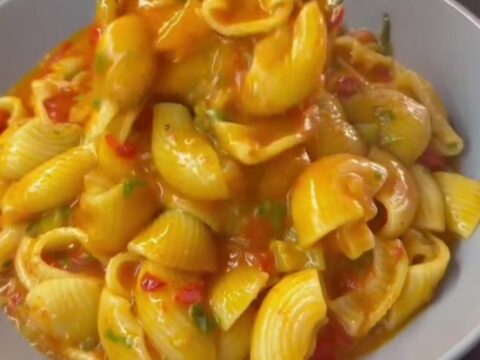
One-Pan Roasted Tomato Shells with Melted Mozzarella
See the recipe → →This recipe is based on a short cooking video and is published under the pen name Clara Weller. It was checked before publication, but errors can slip through. Nutrition, when shown, is an estimate. Read more in our editorial policy and on our food safety page.
More recipes to try

Crispy Garlic Parmesan Chicken Wrap with Garlic Mayo
Total time: 30 min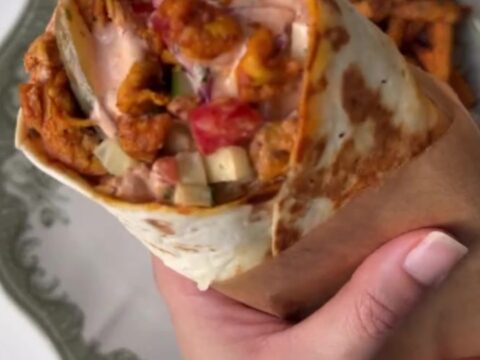
Crispy Chicken Shawarma Wrap with Garlic Toum Sauce
Total time: 35 min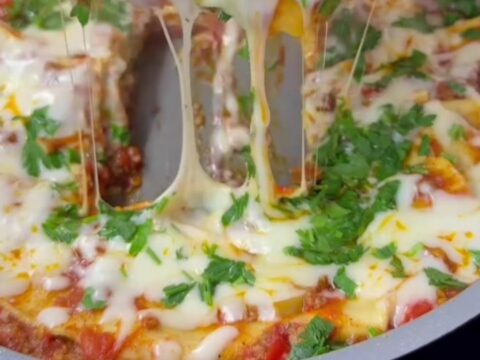
Cheesy Lasagna Rollups in Tomato Sauce
Total time: 45 min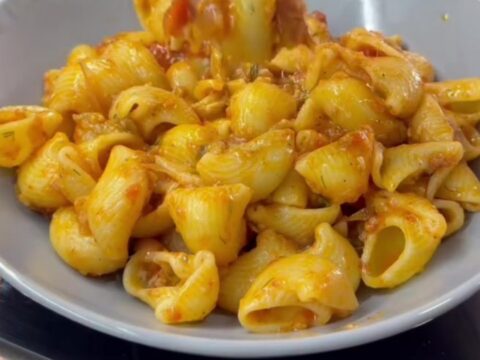
Roasted Tomato Pepper Pasta with Melted Mozzarella
Total time: 45 min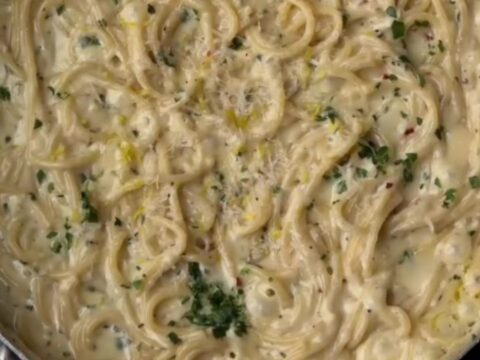
Creamy Lemon Garlic Spaghetti Ready in 12 Minutes
Total time: 12 min