Dinner · Part 3 of 3: Tips & recipe card
One-Pan Cheesy Steamed Vegetable Pasta Tips, FAQ & printable recipe
- Prep
- Cook
- Total
- Serves
- 4
Tips for success
For the best cheese pull, use a high-moisture mozzarella like kashar or fresh mozzarella, and shred it yourself. Pre-shredded cheese often contains starches that prevent it from melting into that gooey, stretchy texture.
Also, make sure the cheese is cold when you add it—cold cheese melts more slowly and evenly, giving you a blanket of melted goodness rather than a burnt top. If you prefer a golden, bubbly crust, you can pop the skillet under the broiler for a minute or two after melting, but watch it closely to avoid burning.
To get a glossy, clingy sauce, toss the pasta vigorously as it cooks. This friction helps release starch from the pasta, which thickens the liquid into a silky coating. If the sauce seems too thin, let it cook uncovered for a few extra minutes, stirring frequently.
If it's too thick, add a splash of the starchy pasta water or plain hot water. The goal is a sauce that coats the back of a spoon and clings to every noodle without being watery.
Variations
- Add Protein: For a heartier meal, add cooked Italian sausage or grilled chicken to the skillet after peeling the vegetables. Let it warm through with the pasta, then proceed with the cheese. The extra protein makes it a complete one-pan dinner.
- Spicy Kick: Sprinkle red pepper flakes over the pasta along with the cheese for a gentle heat. Or stir a spoonful of chili crisp into the sauce before adding the pasta for a deeper, spicier flavor.
- Herb Swap: Replace the parsley with fresh basil or oregano. Tear the basil leaves over the finished dish for a fragrant, summery touch. Oregano adds a more savory, Mediterranean note.
- Gluten-Free: Use gluten-free tagliatelle or fettuccine. Adjust the cooking time according to the package and add more boiling water if needed, as gluten-free pasta can absorb more liquid.
Storage and make-ahead
- Fridge
- Store leftovers in an airtight container in the fridge for up to 3 days. Reheat gently with a splash of water or broth to restore the sauce's consistency.
- Freezer
- This dish can be frozen for up to 2 months. Cool completely, transfer to a freezer-safe container, and thaw overnight in the fridge before reheating.
- Reheat
- Reheat in a skillet over medium heat with a splash of water or broth, stirring until hot.
Leftovers can be stored in an airtight container in the refrigerator for up to 3 days. The pasta will absorb more liquid as it sits, so it may become drier.
To reheat, add a splash of water or broth and warm gently on the stovetop or in the microwave, stirring occasionally, until heated through. The cheese will lose its stretchy texture upon reheating, but the flavor will still be delicious.
The vegetables can be steamed and peeled up to a day ahead. Store them in an airtight container in the refrigerator and bring to room temperature before proceeding with the recipe.
You can also cook the entire dish, let it cool, and refrigerate it. Reheat gently with a splash of water to loosen the sauce. The cheese won't be as stretchy after reheating, but it will still taste great.
Serving ideas
Serve this pasta hot, straight from the skillet, with extra chopped parsley on top if desired. The cheese pull is the star of the show, so bring the pan to the table and let everyone twirl their own portion. A simple green salad with a lemon vinaigrette would be a refreshing contrast to the rich, cheesy pasta.
This dish is hearty enough to stand alone as a main course, but it also pairs well with grilled chicken or a crusty baguette for sopping up any extra sauce. For a lighter meal, serve smaller portions alongside a vegetable soup. The leftovers are just as good cold, straight from the fridge, if you're into that sort of thing.
Frequently asked questions
Can this recipe be made without a lid?
What can be used instead of kashar mozzarella?
Why does the sauce sometimes turn out watery?
Can the vegetables be chopped instead of left whole?
Is it possible to make this dish vegan?
One-Pan Cheesy Steamed Vegetable Pasta
Ingredients
- 1 large ripe beefsteak tomato
- 1 whole green zucchini
- 1 whole slender eggplant
- 2 whole peeled onions
- 1/4 cup olive oil
- 1/2 cup water
- 10 oz tagliatelle pasta
- 1 cup boiling water
- 1 1/2 cups shredded kashar mozzarella cheese
- 1/4 cup chopped fresh parsley
Instructions
- Place the whole tomato, zucchini, eggplant, and onions in a large skillet. Add the olive oil and water, then cover with a lid. Set over medium heat and steam for 12 minutes, until the vegetables are fork-tender and their skins blister.
- Remove the lid and use culinary tweezers or tongs to peel away the blistered skins from the tomato, zucchini, eggplant, and onions. Discard the skins. Leave the vegetables whole or roughly break them up with the tongs, depending on preference.
- Add the tagliatelle pasta and 1 cup boiling water to the skillet with the peeled vegetables. Stir to combine, making sure the pasta is submerged in the liquid. Cook over medium heat, tossing frequently, until the pasta is al dente and has absorbed most of the liquid, about 8-10 minutes.
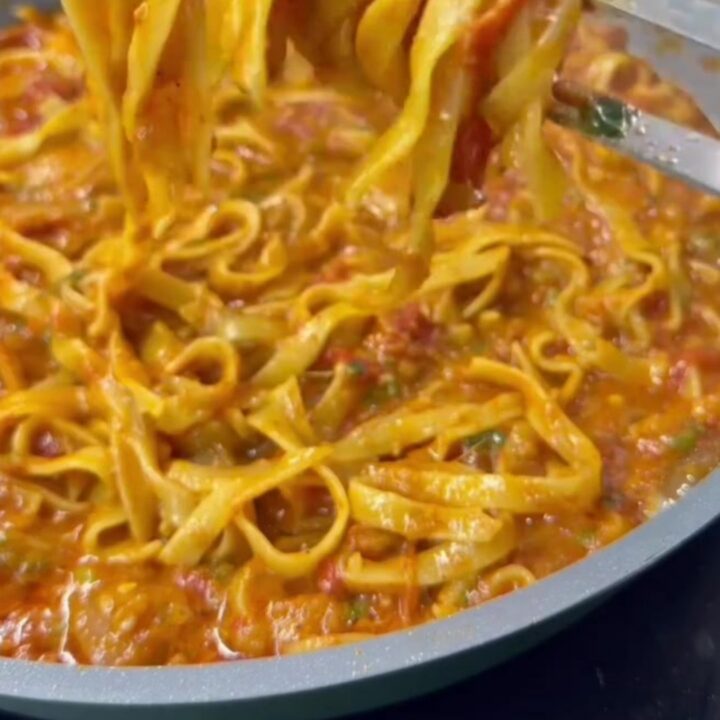
- Continue to toss the pasta with the vegetables until the sauce is glossy and coats every strand. The vegetables will break down slightly, creating a rustic, chunky sauce. Taste and adjust seasoning with salt and pepper if desired.
- Sprinkle the shredded kashar mozzarella cheese evenly over the pasta. Scatter the chopped fresh parsley on top. Cover the skillet with the lid and cook for 2 minutes, until the cheese is melted and bubbly.
- Lift a glossy twirl of pasta with tongs, letting the cheese pull into long, stretchy strands. Serve hot, straight from the skillet, with extra parsley if desired.
Estimated nutrition per serving
- Calories
- 480
- Protein
- 18 g
- Carbohydrates
- 65 g
- Fat
- 18 g
Next recipe
One-Pan Cheesy Meatball Shell Pasta with Tomatoes
See the recipe → →This recipe is based on a short cooking video and is published under the pen name Clara Weller. It was checked before publication, but errors can slip through. Nutrition, when shown, is an estimate. Read more in our editorial policy and on our food safety page.
More recipes to try
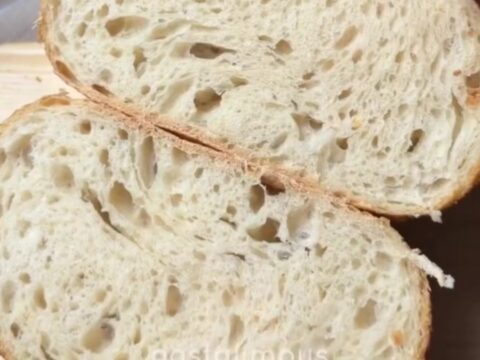
Open-Crumb Sourdough Bread with a Crackling Crust
Total time: 4 h 10 min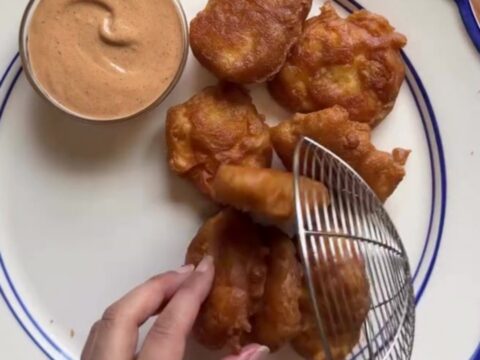
Crispy Fried Chicken Nuggets with Creamy Pepper Sauce
Total time: 1 h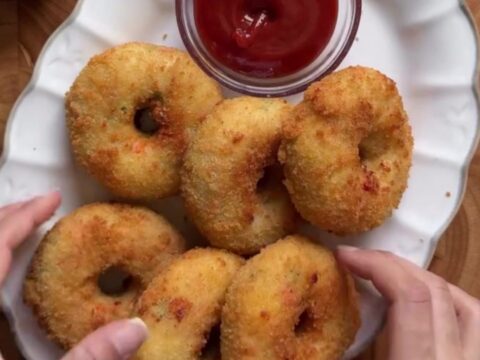
Crispy Chicken Mozzarella Potato Doughnuts
Total time: 29 min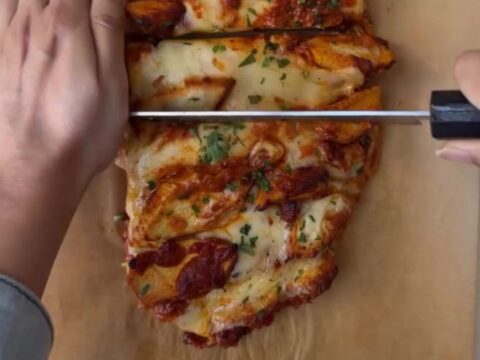
Crunchy Butter Chicken Cheese Pull-Apart Baguette
Total time: 27 min
Crispy Buttermilk Fried Chicken Sandwich with Garlic Herb Mayo
Total time: 40 min