Desserts · Part 3 of 3: Tips & recipe card
One-Bowl Whole-Lemon Blender Cake with Walnuts Tips, FAQ & printable recipe

- Prep
- Cook
- Total
- Serves
- 10
Tips for success
For the brightest flavor, use a fresh, unwaxed lemon. If the lemon is very large, you may need to blend it a little longer to get a smooth puree.
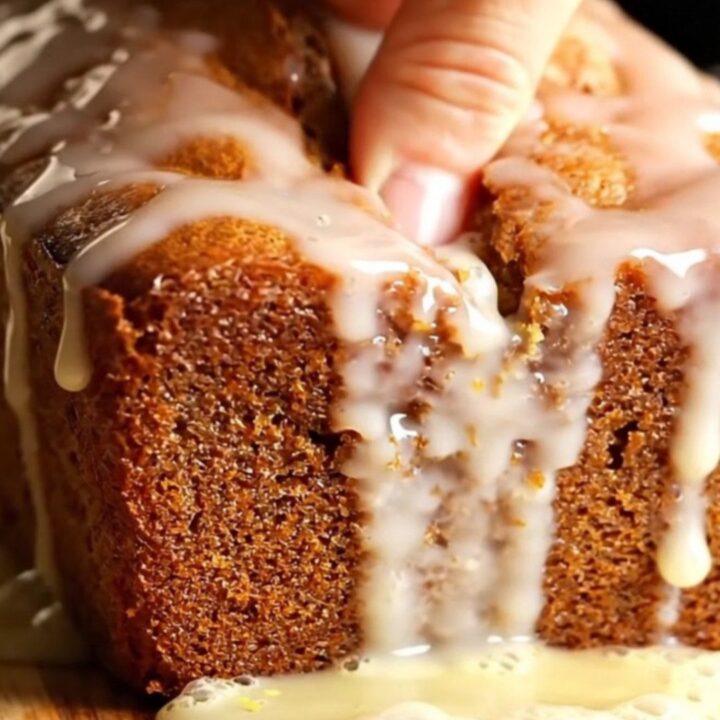
The glaze is best applied while the cake is still warm, as it creates a beautiful sheen and helps the glaze seep into the top. If the glaze is too thick, add a few drops of lemon juice; if too thin, whisk in more confectioners' sugar.
This cake is forgiving and adaptable. You can swap the walnuts for pecans or omit them entirely for a nut-free version. The cake can be baked in a 9-inch round pan, but adjust the baking time to about 35-40 minutes.
For an extra-lemony kick, add a teaspoon of lemon zest to the batter. Serve slices with a dollop of whipped cream or a scoop of vanilla ice cream for a more indulgent dessert.
Variations
- Lemon Poppy Seed: Add 2 tablespoons of poppy seeds to the batter along with the flour. The poppy seeds add a delicate crunch and a nutty flavor that pairs beautifully with the lemon. Toast the seeds lightly for extra depth.
- Orange-Walnut: Replace the lemon with a whole orange, and use orange juice in the glaze. The flavor will be sweeter and less tart, with a lovely floral note. Reduce the sugar to 3/4 cup if the orange is very sweet.
- Gluten-Free: Use a 1:1 gluten-free baking blend in place of the all-purpose flour. The texture will be slightly more tender, but the cake will still be moist and delicious. Be sure to check that the baking powder is gluten-free.
- Lemon-Blueberry: Fold 1 cup of fresh or frozen blueberries into the batter along with the walnuts. Gently toss the berries with a tablespoon of flour to prevent them from sinking. The berries will burst during baking, adding pockets of jammy sweetness.
Storage and make-ahead
- Fridge
- Store in an airtight container in the refrigerator for up to 5 days. Bring to room temperature before serving.
- Freezer
- Freeze the unglazed cake, wrapped tightly in plastic and foil, for up to 3 months. Thaw overnight in the refrigerator and glaze before serving.
- Reheat
- Reheat slices in the microwave for 10-15 seconds or in a 300°F oven for 5 minutes to freshen them.
Store the cake in an airtight container at room temperature for up to 3 days. The glaze will soften slightly, but the cake will remain moist. If the weather is very warm, you can refrigerate it, but bring it to room temperature before serving for the best texture.
The cake can be baked a day ahead and stored, unglazed, in an airtight container. Glaze it just before serving for the freshest appearance. The batter can also be prepared a few hours ahead and kept in the refrigerator, but you may need to add a few minutes to the baking time.
Serving ideas
Serve the cake at room temperature, cut into thick slices. The glaze should be shiny and crackly, and the crumb should be moist and tender.
A cup of black coffee or a pot of Earl Grey tea complements the bright lemon flavor beautifully. For a dessert, add a spoonful of lemon curd or a dusting of powdered sugar.
This cake is perfect for brunch, afternoon tea, or a simple weeknight dessert. The whole lemon gives it a sophisticated flavor that belies its simple preparation.
It also makes a lovely gift; wrap it in parchment and tie with twine. The cake is best enjoyed within a day or two, but it rarely lasts that long.
Frequently asked questions
Can this cake be made without a blender?
Why does the cake sink in the middle?
Can the glaze be made with bottled lemon juice?
How should the cake be stored to keep it moist?
Can this recipe be doubled?
One-Bowl Whole-Lemon Blender Cake with Walnuts
Ingredients
- 1 whole lemon, washed and cut into wedges
- 3 large eggs
- 1 cup neutral oil (such as canola or vegetable)
- 1 cup milk
- 1 cup granulated sugar
- 2 1/2 cups all-purpose flour
- 2 tsp baking powder
- 1 cup toasted walnuts, chopped
- 1 cup confectioners' sugar
- 2-3 tbsp fresh lemon juice
Instructions
- Preheat the oven to 350°F (175°C). Line a 9x5-inch loaf pan with parchment paper, leaving overhang on the long sides. Wash the whole lemon thoroughly, cut it into wedges, and remove any seeds. Place the lemon wedges, eggs, oil, milk, and granulated sugar in a blender. Blend on high for 2 minutes, or until the mixture is completely smooth and silky, with no visible pieces of lemon. The puree will be pale yellow and slightly frothy.
- Pour the lemon puree into a large mixing bowl. Add the all-purpose flour and baking powder, then fold gently with a rubber spatula until just a few streaks of flour remain. Add the chopped toasted walnuts and continue folding until the batter is evenly combined. Be careful not to overmix, as that can toughen the crumb. The batter will be thick but pourable.
- Transfer the batter to the prepared loaf pan and smooth the top with the spatula. Bake at 350°F (175°C) for 45 minutes, or until the cake is domed and golden brown. A toothpick inserted into the center should come out with only moist crumbs attached. The internal temperature of the cake should register at least 160°F (71°C) in the center, ensuring the eggs are fully set.
- While the cake is still hot from the oven, prepare the glaze. In a small bowl, whisk together the confectioners' sugar and fresh lemon juice until smooth and pourable. Pour the glaze evenly over the hot crust, letting it drip down the sides. The heat will help the glaze soak into the top, creating a shiny, translucent finish. Let the cake cool in the pan for 15 minutes, then transfer to a wire rack to cool completely.
- Once the cake is completely cool, use a serrated knife to cut thick slices. The crumb should be tender and moist, and the glaze will have formed a delicate, crackly top. Press gently on a slice to see it bounce back. Serve at room temperature, with the glaze side up. Store any leftovers in an airtight container at room temperature for up to 3 days.
Estimated nutrition per serving
- Calories
- 420
- Protein
- 6 g
- Carbohydrates
- 48 g
- Fat
- 23 g
Next recipe

Giant 6-Ounce Two-Chip Cookies with Molten Centers
See the recipe → →This recipe is based on a short cooking video and is published under the pen name Clara Weller. It was checked before publication, but errors can slip through. Nutrition, when shown, is an estimate. Read more in our editorial policy and on our food safety page.
More recipes to try

Bakery-Style S'Mores Cookies with Gooey Marshmallow Pull
Total time: 25 min
Giant Bakery-Style Two-Chip Chocolate Cookies
Total time: 1 h 31 min
Giant Red Velvet Chocolate Chunk Cookies
Total time: 41 min
Brown Butter Brookie Cups: Fudgy Brownie + Cookie Dough
Total time: 34 min
5-Minute Braided Puff Pastry Chocolate Pastries
Total time: 23 min