Dinner · Part 3 of 3: Tips & recipe card
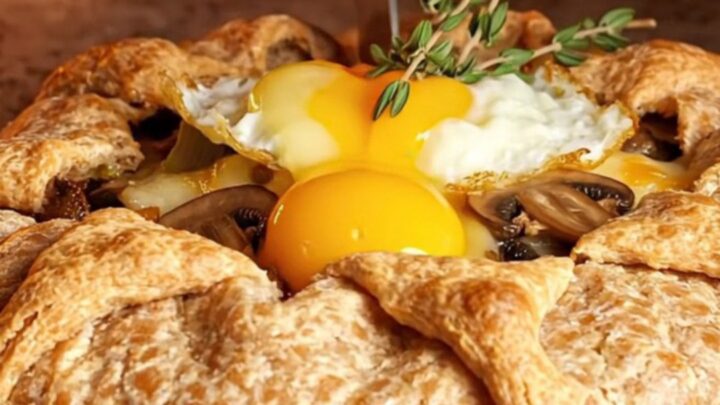
Mushroom, Leek & Gruyere Buckwheat Galette with Crispy Crust Tips, FAQ & printable recipe
- Prep
- Cook
- Total
- Serves
- 4
Tips for success
Temperature discipline is the whole recipe. Keep the butter cold for the pastry, cool the filling before assembly, and chill the shaped galette before baking — each step protects the flaky layers.
When browning the mushrooms, resist stirring for the first few minutes; the dark fond that forms on the pan is pure flavor, and mushrooms left alone brown beautifully while stirred mushrooms weep gray liquid. If the pan looks dry, add the butter in two additions rather than crowding the pan.
Shred the gruyere fresh and keep a small handful back to press onto the visible filling just before baking — those shreds blister into golden, lacy edges that make the galette look professional.
For the eggs, crack each quail egg into a small cup first; the shells are paper-thin and a cup protects the yolk. Fry them just before serving, not earlier, so the whites stay tender and glossy against the hot crust.
Variations
- Caramelized Onion: Replace the leeks with 3 large yellow onions cooked low and slow in butter for 30 to 40 minutes until deep amber and jammy. Keep the mushrooms and gruyere as written; the sweetness of the onions against the earthy mushrooms makes a quieter, sweeter galette.
- Winter Squash: Swap the mushrooms for 12 oz of peeled, thinly sliced delicata or butternut squash tossed with thyme and olive oil. Roast the slices first until tender at the edges, then assemble as written. The gruyere and leeks stay, and the result is sweeter and more autumnal.
- Herb and Greens: Wilt a few handfuls of baby spinach or kale into the skillet with the leeks and cook until dry, then proceed as written. Add a tablespoon of chopped chives or tarragon with the thyme for a greener, brighter filling that still pairs well with the buckwheat crust.
- Extra Cheese Crown: Reserve half a cup of shredded gruyere and pile it directly on top of the exposed filling before baking. It melts and blisters over the mushrooms, forming a lacy golden lid that shatters with the crust when sliced — a more dramatic presentation with the same flavor.
Storage and make-ahead
- Fridge
- Wrap wedges tightly and refrigerate up to 3 days; keep fried eggs separate and add fresh when serving.
- Freezer
- Freeze the unbaked shaped galette solid on the sheet pan, wrap well, and keep up to 1 month; bake from frozen, adding 5 to 8 minutes.
- Reheat
- Reheat wedges in a 375°F (190°C) oven for 8 to 10 minutes on a rack until the base crisps; avoid the microwave, which softens the crust.
Cool leftover galette no more than 2 hours at room temperature, then wrap wedges individually and refrigerate for up to 3 days. The crust softens slightly in the fridge but recovers well with dry, high heat.
Keep the quail eggs separate and add them fresh when reheating, since reheated eggs turn firm and lose their glossy finish. Do not store the galette while still warm, or trapped steam will soften the base.
The dough keeps wrapped in the refrigerator for up to 2 days, or frozen for a month; thaw overnight before rolling. The mushroom and leek filling can be cooked, cooled, and refrigerated up to a day ahead in an airtight container. On serving day, roll, fill, fold, chill 15 minutes, and bake straight from the fridge — the extra-cold dough bakes up even flakier than same-day dough.
Serving ideas
Serve the galette warm, not hot, cut into four generous wedges with a fried quail egg and a pinch of fresh thyme on each. A sharply dressed green salad — bitter greens, mustard vinaigrette — cuts through the richness of the cheese and butter, and a bowl of cornichons on the side keeps things bistro-style.
For a dinner party, bring the whole tart to the table on its parchment and slice it in front of everyone; the crackle of the crust is part of the appeal.
For a weekend brunch, bake the galette in the morning, hold it at room temperature, and warm the wedges briefly before topping with freshly fried eggs. It pairs well with dry cider or a crisp white wine, both of which echo the nutty buckwheat. Leftover wedges make a good lunch at room temperature the next day, no reheating required.
Frequently asked questions
Can the galette dough be made ahead of time?
Why did the bottom of the galette turn soggy?
Can this be made with regular chicken eggs instead of quail eggs?
How is a galette different from a quiche or a tart?
Can the assembled galette be frozen before baking?
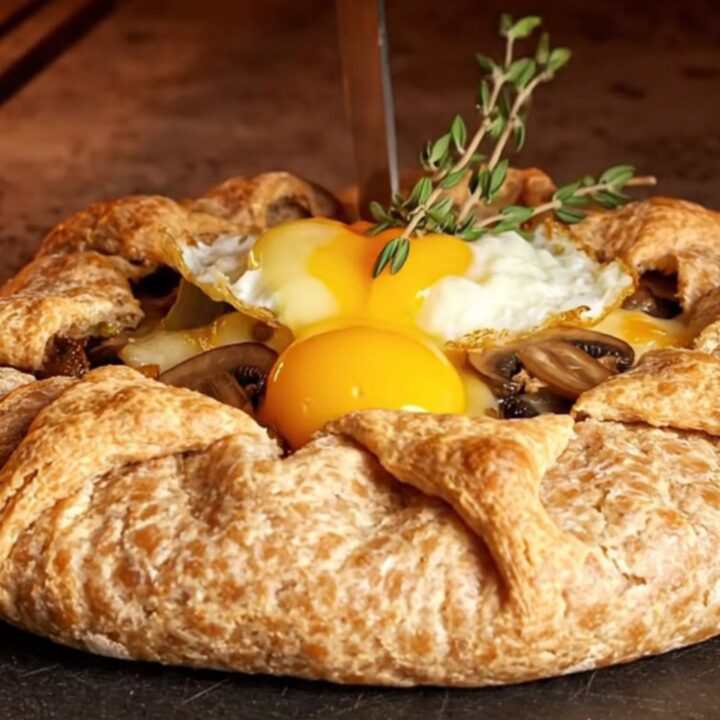
Mushroom, Leek & Gruyere Buckwheat Galette with Crispy Crust
Ingredients
- 1 1/2 cups all-purpose flour
- 1/2 cup buckwheat flour
- 10 tbsp cold unsalted butter, cubed
- 12 oz cremini mushrooms, sliced
- 2 medium leeks, white and light green parts, sliced
- 2 tbsp unsalted butter
- 2 tsp fresh thyme leaves, plus more for serving
- 1 1/2 cups shredded gruyere
- 4 quail eggs
Instructions
- Whisk the all-purpose flour and buckwheat flour together in a large bowl. Add the cold cubed butter and rub or cut it in until the pieces range from oat flakes to pea size. Sprinkle ice-cold water over the mixture one tablespoon at a time, tossing with a fork until the dough holds together when squeezed.
- Turn the shaggy dough onto the counter and press it into a compact disk, folding it over once or twice to build layers without working it smooth. Wrap it tightly in plastic and refrigerate for at least 45 minutes so the butter firms up and the flour fully hydrates.
- Melt 1 tablespoon of the butter in a wide skillet over medium heat. Add the sliced leeks and cook, stirring often, for 6 to 8 minutes until they slump, turn silky, and smell sweet. Scrape them into a bowl and set aside so they keep their color and tenderness.
- Add the remaining tablespoon of butter to the same skillet over medium-high heat. Add the cremini mushrooms in a single layer and leave them undisturbed for 3 minutes so they sear, then stir and cook 4 to 5 minutes more until deeply browned. Stir in the fresh thyme.
- Return the leeks to the skillet and toss with the mushrooms. Spread the mixture on a plate and let it cool to room temperature, at least 15 minutes, so it will not melt the butter in the pastry. Taste before assembling the galette and adjust anything that needs it.
- Roll the chilled dough on lightly floured parchment into a rough 12-inch circle about 1/8 inch thick. Scatter half the gruyere over the center, leaving a 2-inch border, pile the cooled mushroom and leek filling on top, and finish with the remaining gruyere.
- Fold the bare border up and over the filling, pleating it every 2 inches and pressing each fold gently so it holds. The center stays open to show the filling. Slide the parchment onto a sheet pan and chill the shaped galette for 15 minutes while the oven heats to 400°F (200°C).
- Bake the galette on the center rack at 400°F (200°C) for 30 to 35 minutes, rotating the pan once halfway through, until the crust is deep golden brown and the cheese blisters and bubbles at the edges. Transfer the pan to a rack and let the galette rest for 10 minutes before slicing.
- Heat a small nonstick skillet over medium heat with a thin film of butter. Crack the quail eggs into the pan and fry for 1 to 2 minutes, spooning the butter over the whites, until the whites are completely set and the eggs reach 160°F (71°C) throughout, with the yolks still creamy.
- Nestle the fried quail eggs over the warm galette, one per slice, and scatter fresh thyme leaves over everything. Cut straight through the shattering crust into generous wedges and serve immediately, while the underside is still crisp and the cheese is glossy and molten.
Estimated nutrition per serving
- Calories
- 560
- Protein
- 18 g
- Carbohydrates
- 42 g
- Fat
- 36 g
- Fiber
- 4 g
- Sodium
- 620 mg
Next recipe
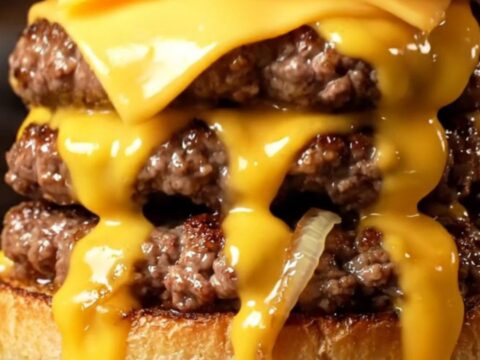
Oklahoma Onion Smash Burger with Crispy Lace Edges
See the recipe → →This recipe is based on a short cooking video and is published under the pen name Clara Weller. It was checked before publication, but errors can slip through. Nutrition, when shown, is an estimate. Read more in our editorial policy and on our food safety page.
More recipes to try

French Dip Smash Burger with Gruyère and Rosemary Au Jus
Total time: 35 min
Crispy Chorizo and Black Bean Flautas with Avocado Crema
Total time: 35 min
Garlic Butter Crab and Shrimp Enchiladas in White Wine Cream Sauce
Total time: 50 min
One-Pan Green Chile Chicken Enchilada Skillet in 15 Minutes
Total time: 23 min
Baked Enchilada-Style Beef Burritos for a Quick Crowd Dinner
Total time: 45 min