Desserts · Part 3 of 3: Tips & recipe card
Moist Lemon Blender Cake with Sunshine Glaze Tips, FAQ & printable recipe

- Prep
- Cook
- Total
- Serves
- 8
Tips for success
For the smoothest glaze, sift the confectioners' sugar before whisking to remove any lumps.
If you don't have a piping bag, use a zip-top bag and snip a tiny corner—this gives you control over the zigzag pattern. The glaze should be thick enough to hold its shape but fluid enough to pipe smoothly.
To prevent the cake from sticking, line the bottom of the pan with parchment paper and grease the sides well.
After baking, let the cake cool in the pan for exactly 10 minutes before turning out; too long and it may stick, too short and it may break. Use a thin knife to loosen the edges if needed.
Variations
- Lime Version: Replace the lemon with a whole lime, and use lime juice in the glaze. The result is a slightly more tart, tropical twist that pairs well with coconut or mango.
- Orange Version: Use a whole orange instead of lemon, and orange juice in the glaze. This yields a sweeter, milder citrus flavor that's lovely for breakfast or brunch.
- Poppy Seed Addition: Add 2 tablespoons of poppy seeds to the batter along with the dry ingredients for a classic lemon-poppy seed combination. The seeds add a pleasant crunch.
- Gluten-Free Option: Substitute the all-purpose flour with a 1:1 gluten-free baking flour blend. Ensure the blend contains xanthan gum for structure. The texture may be slightly more delicate.
Storage and make-ahead
- Fridge
- Store leftover cake in an airtight container in the refrigerator for up to 5 days. Bring to room temperature before serving.
- Freezer
- Freeze the unglazed cake wrapped tightly in plastic wrap and foil for up to 3 months. Thaw overnight in the refrigerator and glaze before serving.
- Reheat
- To warm individual slices, microwave for 10-15 seconds or place in a 300°F oven for 5 minutes.
Store the glazed lemon cake in an airtight container at room temperature for up to 3 days. The glaze will stay glossy and the cake will remain moist.
If the environment is very warm, refrigerate the cake to prevent the glaze from becoming sticky, but bring it to room temperature before serving for the best flavor and texture.
The cake can be baked a day ahead and kept, unglazed, wrapped tightly in plastic wrap at room temperature. Glaze the cake up to 4 hours before serving to allow the glaze to set properly.
The glaze can also be made ahead and stored in an airtight container in the refrigerator for up to 3 days; re-whisk before using.
Serving ideas
Serve slices of this lemon cake as a bright dessert after a light meal, or with coffee or tea in the afternoon. The glaze adds sweetness, so a small slice is satisfying. For an extra touch, serve with a few fresh berries or a dollop of whipped cream, though the cake is delicious on its own.
This cake is perfect for spring gatherings, brunches, or any occasion that calls for a cheerful, citrusy dessert. Its tender crumb and sunny color make it a crowd-pleaser. Cut into wedges and arrange on a platter for a beautiful presentation that invites everyone to take a slice.
Frequently asked questions
Can the lemon be peeled before blending?
What if the cake sticks to the pan?
Why is the glaze not setting?
Can this cake be made without a blender?
How do you know when the cake is fully baked?
Moist Lemon Blender Cake with Sunshine Glaze

Ingredients
- 1 whole organic lemon, washed and unpeeled
- 3 large eggs
- 1 cup granulated sugar
- 1/2 cup whole milk
- 1/2 cup vegetable oil
- 2 cups all-purpose flour
- 1 packet baking powder (10g)
- 1 packet vanilla sugar (5g)
- 1 cup confectioners' sugar
- 2 tbsp freshly squeezed lemon juice
Instructions
- Wash the whole lemon thoroughly under running water. Cut it into wedges, removing any seeds. Place the lemon wedges into a blender pitcher. Add the eggs, sugar, milk, and vegetable oil. Blend on high until the mixture is completely smooth and frothy, about 30 seconds. The lemon peel should be finely pureed into the liquid.
- Pour the lemon puree into a large mixing bowl. Sift the all-purpose flour, baking powder, and vanilla sugar over the wet mixture. Whisk gently until just combined, being careful not to overmix. The batter should be smooth and velvety, with no dry streaks of flour remaining.
- Preheat the oven to 350°F (175°C). Grease a 9-inch round cake pan and line the bottom with parchment paper. Pour the batter into the prepared pan. Bake for 35 to 40 minutes, or until a toothpick inserted into the center comes out clean or with a few moist crumbs. The top should be golden brown and spring back when lightly pressed.
- Remove the cake from the oven and place the pan on a wire rack. Let the cake cool in the pan for 10 minutes. Then run a knife around the edges and carefully turn the cake out onto the wire rack. Allow it to cool completely before glazing, about 1 hour.
- In a small bowl, whisk together the confectioners' sugar and freshly squeezed lemon juice until the mixture is thick and glossy. The glaze should be smooth and pourable but not too thin. If it's too thick, add a few more drops of lemon juice; if too thin, add a little more confectioners' sugar.
- Transfer the glaze to a piping bag or a zip-top bag with a small corner snipped off. Pipe zigzag lines over the top of the cooled cake. Let the glaze set for a few minutes before slicing. Slice through the cake to reveal the tender, moist, sunshine-yellow crumb.
Estimated nutrition per serving
- Calories
- 420
- Protein
- 6 g
- Carbohydrates
- 62 g
- Fat
- 17 g
Next recipe

Lemon Glaze Pound Cake
See the recipe → →This recipe is based on a short cooking video and is published under the pen name Clara Weller. It was checked before publication, but errors can slip through. Nutrition, when shown, is an estimate. Read more in our editorial policy and on our food safety page.
More recipes to try

Whole Lemon Loaf with Citrus Glaze
Total time: 1 h 20 min
Chocolate-Dipped Pistachio Cream Dates with Marbled Hearts
Total time: 35 min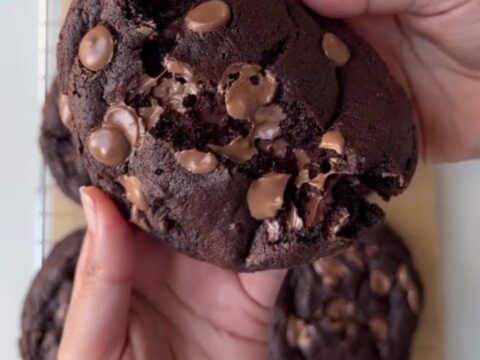
Molten Chocolate Chunk Cookies
Total time: 27 min
Moist Whole Lemon Loaf Cake with Tangy Glaze
Total time: 1 h 25 min
Brown Butter Chocolate Chip Cookies with Gooey Centers
Total time: 1 h 2 min