Dinner · Part 3 of 3: Tips & recipe card
Honey Gochujang Shrimp and Octopus Skillet Tips, FAQ & printable recipe
- Prep
- Cook
- Total
- Serves
- 4
Tips for success
For the best char, make sure the seafood is very dry before it hits the pan. Pat the octopus and shrimp with paper towels to remove excess moisture.
This also helps the sauce cling better. If you have time, let the seafood sit at room temperature for 15 minutes before cooking, but no longer than 30 minutes, to ensure even cooking.
The sauce can be made ahead and stored in the refrigerator for up to 3 days. When ready to cook, reheat it gently in the skillet before adding the seafood.
If the sauce thickens too much, thin it with a little water or broth. Adjust the amount of gochujang to your heat preference; start with less and add more to taste.
Variations
- Extra Spicy: Increase the gochujang to 4 tablespoons and add 1 teaspoon of gochugaru (Korean chili flakes) or a pinch of cayenne. Finish with extra lime to balance the heat.
- Citrus Twist: Replace the lime juice with yuzu juice or a mix of lemon and orange juice. Add a few strips of orange zest with the scallions for a fragrant, sweet-sour note.
- Add Vegetables: Toss in sliced bell peppers, snap peas, or asparagus during the last minute of cooking. They will pick up the sauce and add color and crunch.
- Make it a Rice Bowl: Serve the seafood and sauce over steamed jasmine rice, topped with a fried egg and extra scallions. The runny yolk mixes with the sauce for a luxurious bowl.
Storage and make-ahead
- Fridge
- Store leftovers in an airtight container in the refrigerator for up to 3 days.
- Freezer
- Not recommended; seafood texture suffers when frozen.
- Reheat
- Reheat gently in a skillet over low heat with a splash of water to loosen the sauce.
Leftover seafood and sauce can be stored in an airtight container in the refrigerator for up to 3 days. Reheat gently in a skillet over low heat, adding a splash of water to loosen the sauce. Avoid microwaving, as it can toughen the seafood.
The sauce can be prepared up to 3 days ahead and stored in the refrigerator. The octopus can be pre-scored and the shrimp butterflied a few hours in advance; keep them chilled. Slice the scallions and grate the ginger just before cooking for maximum freshness.
Serving ideas
Serve the skillet hot, straight from the pan, with steamed rice, noodles, or crusty bread to soak up the glossy sauce.
A simple cucumber salad or pickled vegetables would provide a cool, tangy contrast. The lime wedges on the side let each person add extra brightness.
For a more substantial meal, serve over rice or with warm tortillas. The sauce is also excellent spooned over grilled vegetables or tofu.
If you have leftovers, chop the seafood and toss with cold noodles for a quick lunch. The flavors are bold enough to stand alone, but the dish pairs well with a light, crisp white wine or a cold beer.
Frequently asked questions
Can this dish be made without octopus?
What is gochujang and where can it be found?
How can the heat level be adjusted?
Why does the sauce separate?
Can this be cooked on a grill?
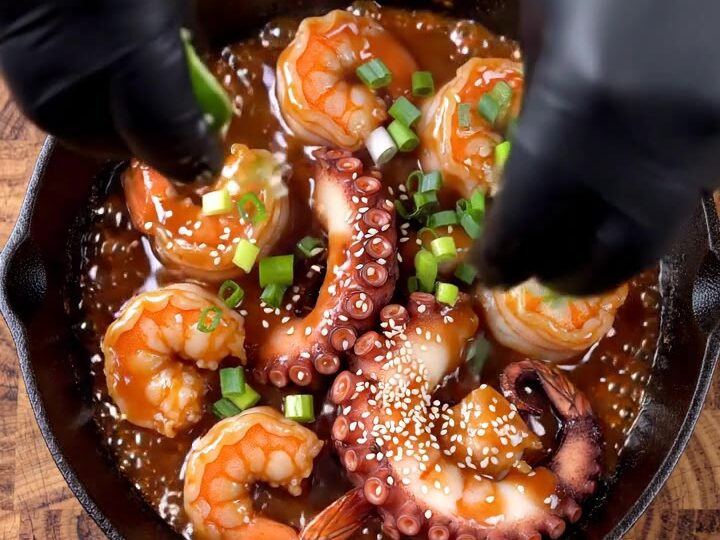
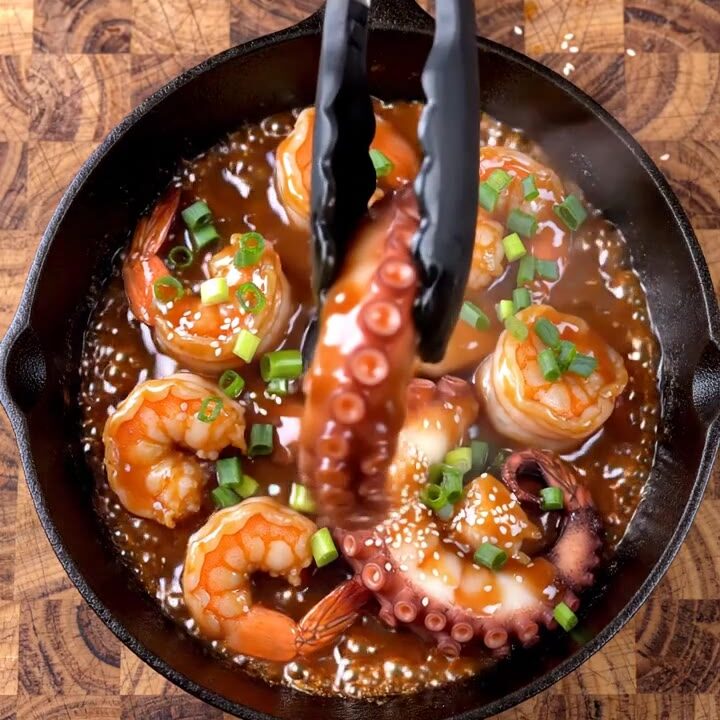
Honey Gochujang Shrimp and Octopus Skillet
Ingredients
- 1 lb octopus tentacles, cleaned
- 1 lb jumbo shrimp, peeled and deveined
- 6 scallions, sliced
- 2 tbsp fresh ginger, finely grated
- 3 tbsp gochujang
- 2 tbsp honey
- 4 cloves garlic, minced
- 4 tbsp unsalted butter
- 1 tbsp toasted sesame seeds
- 1 lime, cut into wedges
- 2 tbsp neutral oil, such as grapeseed or canola
- kosher salt to taste
Instructions
- Score the octopus tentacles in a crosshatch pattern with a sharp knife. Butterfly the jumbo shrimp by slicing along the back, keeping the tail attached, and pat dry. Slice the scallions into thin rounds, separating white and green parts. Grate the ginger on a box grater into a small pile. Combine the gochujang, honey, minced garlic, and butter in a small bowl.
- Place a large cast iron skillet over high heat and add the neutral oil. Heat until the oil shimmers and just begins to smoke. Season the shrimp and octopus lightly with salt.
- Lay the octopus tentacles in the hot skillet in a single layer. Sear undisturbed for 2–3 minutes until deeply charred on the bottom. Flip and sear the other side for another 2–3 minutes. Transfer to a plate.
- Add the butterflied shrimp to the same skillet, cut-side down. Sear for 1–2 minutes until the edges turn pink and the bottoms are lightly charred. Flip and cook for another 1–2 minutes until the shrimp are just opaque throughout.
- Reduce the heat to medium. Add the gochujang-honey-butter mixture to the skillet along with the grated ginger and the white parts of the scallions. Stir constantly as the butter melts and the sauce bubbles and turns glossy. Cook for 1–2 minutes until the sauce thickens slightly.
- Return the seared octopus to the skillet, nestling it among the shrimp. Spoon the bubbling sauce over everything. Cook for 1–2 minutes, turning the seafood to coat evenly, until the sauce clings and everything is heated through. The shrimp should reach 145°F (63°C) and the octopus should be tender.
- Remove the skillet from the heat. Sprinkle with the toasted sesame seeds and the green parts of the scallions. Squeeze fresh lime juice over the top just before serving.
- Lift a glistening piece of shrimp or octopus from the skillet and transfer to plates. Spoon any remaining sauce over the top. Serve hot with rice or crusty bread to soak up the sauce.
Estimated nutrition per serving
- Calories
- 420
- Protein
- 35 g
- Carbohydrates
- 22 g
- Fat
- 22 g
Next recipe

Crispy Polenta Fries with Molten Provolone and Arrabbiata
See the recipe → →This recipe is based on a short cooking video and is published under the pen name Clara Weller. It was checked before publication, but errors can slip through. Nutrition, when shown, is an estimate. Read more in our editorial policy and on our food safety page.
More recipes to try
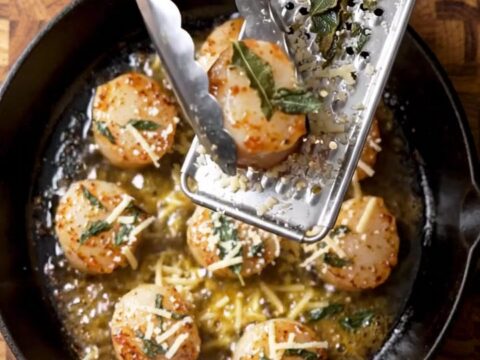
Brown Butter Scallops with Squash and Parmesan
Total time: 35 min
One-Pan French Onion Rigatoni with Blistered Gruyere Crust
Total time: 50 min
Coconut Crusted Mahi Mahi with Mango Salsa
Total time: 32 min
Crispy Eggplant Parmesan Stacks with Garlic Marinara
Total time: 45 min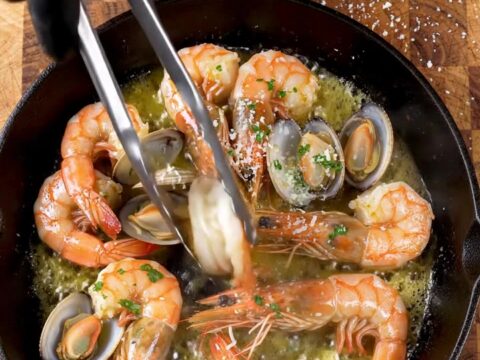
Garlic Butter Clams and Prawns in White Wine Skillet
Total time: 27 min