Dinner · Part 2 of 3: Instructions
Honey Gochujang Shrimp and Octopus Skillet Step-by-step instructions
- Prep
- Cook
- Total
- Serves
- 4
Before you start
Before starting, make sure the octopus tentacles are clean and patted dry. Score them in a crosshatch pattern to help them char and absorb the sauce. Butterfly the shrimp by slicing along the back, removing the vein, and leaving the tail on.
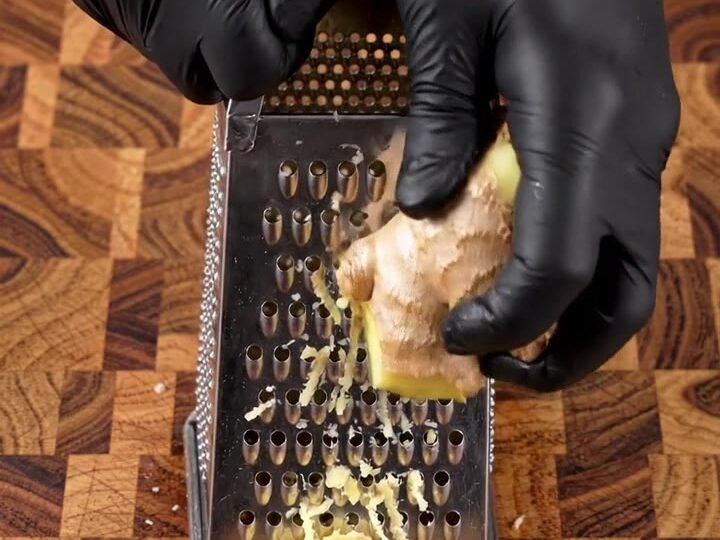
Slice the scallions, separating white and green parts. Grate the ginger on a box grater. Measure the gochujang, honey, garlic, and butter into a small bowl and set aside. Have all ingredients within reach, as the cooking goes quickly.
Ingredients at a glance (12)
- 1 lb octopus tentacles, cleaned
- 1 lb jumbo shrimp, peeled and deveined
- 6 scallions, sliced
- 2 tbsp fresh ginger, finely grated
- 3 tbsp gochujang
- 2 tbsp honey
- 4 cloves garlic, minced
- 4 tbsp unsalted butter
- 1 tbsp toasted sesame seeds
- 1 lime, cut into wedges
- 2 tbsp neutral oil, such as grapeseed or canola
- kosher salt to taste
Instructions
Prep and Sear
- Prep the Seafood and AromaticsScore the octopus tentacles in a crosshatch pattern with a sharp knife. Butterfly the jumbo shrimp by slicing along the back, keeping the tail attached, and pat dry. Slice the scallions into thin rounds, separating white and green parts. Grate the ginger on a box grater into a small pile. Combine the gochujang, honey, minced garlic, and butter in a small bowl.Look for Octopus scored, shrimp butterflied, sauce mixed.Tip Pat the seafood very dry before searing to get a good char.
- Heat the SkilletPlace a large cast iron skillet over high heat and add the neutral oil. Heat until the oil shimmers and just begins to smoke. Season the shrimp and octopus lightly with salt.Look for Oil shimmering, almost smoking.Tip A hot skillet is key for charring without steaming.
The octopus and shrimp are prepped and ready. The oil in the skillet shimmers and begins to smoke. The octopus sears with deep char marks, and the shrimp turn pink with lightly charred edges.
The aromatics are sliced and grated, and the sauce ingredients are measured and waiting. The kitchen smells of toasted oil and seafood, with a hint of ginger.
Build the Sauce
- Sear the OctopusLay the octopus tentacles in the hot skillet in a single layer. Sear undisturbed for 2–3 minutes until deeply charred on the bottom. Flip and sear the other side for another 2–3 minutes. Transfer to a plate.Look for Deep char marks, tentacles firm.Safe temperature 145°F (63°C) internal temperature (shellfish)Tip Do not crowd the pan; work in batches if needed.
- Sear the ShrimpAdd the butterflied shrimp to the same skillet, cut-side down. Sear for 1–2 minutes until the edges turn pink and the bottoms are lightly charred. Flip and cook for another 1–2 minutes until the shrimp are just opaque throughout.Look for Shrimp pink and curled, lightly charred.Safe temperature 145°F (63°C) internal temperature (shellfish)Tip Cook shrimp just until opaque to avoid toughness.
- Make the Gochujang Butter SauceReduce the heat to medium. Add the gochujang-honey-butter mixture to the skillet along with the grated ginger and the white parts of the scallions. Stir constantly as the butter melts and the sauce bubbles and turns glossy. Cook for 1–2 minutes until the sauce thickens slightly.Look for Sauce bubbling, crimson and glossy.Tip Stir constantly to prevent the honey from burning.
- Return the Octopus and Coat in SauceReturn the seared octopus to the skillet, nestling it among the shrimp. Spoon the bubbling sauce over everything. Cook for 1–2 minutes, turning the seafood to coat evenly, until the sauce clings and everything is heated through. The shrimp should reach 145°F (63°C) and the octopus should be tender.Look for Seafood glazed in thick, glossy sauce.Safe temperature 145°F (63°C) internal temperature (shellfish)Tip If the sauce gets too thick, add a splash of water.
The gochujang-honey-butter mixture melts into a bubbling, crimson sauce that coats the seafood. The butter sizzles as the garlic and ginger bloom, releasing a sweet-spicy aroma. The sauce thickens slightly and turns glossy, clinging to the shrimp and octopus. Everything is heated through, and the seafood is glazed and shimmering.
Finish and Serve
- Finish with GarnishesRemove the skillet from the heat. Sprinkle with the toasted sesame seeds and the green parts of the scallions. Squeeze fresh lime juice over the top just before serving.Look for Bright green, sesame-flecked, citrusy aroma.Tip Add lime juice at the end for freshness, not during cooking.
- Serve ImmediatelyLift a glistening piece of shrimp or octopus from the skillet and transfer to plates. Spoon any remaining sauce over the top. Serve hot with rice or crusty bread to soak up the sauce.Look for Glossy, aromatic, ready to eat.Tip Serve straight from the skillet for drama and warmth.
The skillet is off the heat, topped with toasted sesame seeds, green scallions, and a squeeze of lime. The colors are vibrant—deep red, charred brown, bright green. The aroma is sweet, savory, and citrusy. The seafood is glossy and ready to be lifted out. Serve immediately to enjoy the contrast of hot, tender seafood and fresh, bright garnish.
Common mistakes
A common mistake is overcrowding the skillet, which lowers the temperature and steams the seafood instead of charring it. Work in batches if necessary. Another mistake is adding the sauce too early; the seafood needs a hard sear first.
Overcooking the shrimp is also easy—they become rubbery. Cook them just until opaque. Finally, do not skip the lime juice; it balances the richness and heat. If the honey burns, it will taste bitter, so keep the heat medium when adding the sauce.
How to tell it’s done
The shrimp are done when they turn pink and opaque throughout, and the internal temperature reaches 145°F (63°C). The octopus should be tender and easily pierced with a fork, with a slightly crisp exterior.
The sauce should be thick enough to coat the back of a spoon and cling to the seafood. When you lift a piece, it should be glistening with sauce. If the sauce becomes too thick, add a splash of water to loosen it.
- Shellfish: 145°F (63°C) in the thickest part
Up next · Part 3 of 3
4 variations · storage & make-ahead · 5 answers · printable card
Tips, FAQ & printable recipe (Part 3)← Back to the ingredients (Part 1)