Dinner · Part 3 of 3: Tips & recipe card
Golden Potato Bazlama Flatbread: Tear-and-Share Comfort Tips, FAQ & printable recipe
- Prep
- Cook
- Total
- Serves
- 6
Tips for success
For the best texture, use a kitchen scale to weigh the dough portions—each should be about 4 ounces. This ensures even cooking and uniform flatbreads. If the dough is sticky, dust your hands and the work surface with flour as needed.
When rolling the filled flatbreads, apply gentle, even pressure to avoid squeezing out the filling. If the dough resists, let it rest for a few minutes before rolling again.
To achieve a nice blistered crust, make sure the skillet is fully preheated before adding the flatbread. A dry skillet is traditional, but a light brushing of oil can also enhance browning. Cook one flatbread at a time to maintain even heat.
After flipping, press gently with the spatula to encourage even puffing. Brushing with melted butter immediately after cooking adds flavor and a beautiful sheen. For a richer finish, brush both sides.
Variations
- Spicy Potato Filling: Add 1/2 teaspoon of red pepper flakes or a minced fresh chili to the potato filling for a spicy kick. Increase the paprika to 1 1/2 teaspoons for a deeper smokiness.
- Cheese-Stuffed Flatbreads: Mix 1/2 cup of crumbled feta or shredded mozzarella into the potato filling before shaping. The cheese will melt and become gooey when cooked.
- Herb-Infused Dough: Add 1 tablespoon of chopped fresh herbs, such as thyme or rosemary, to the dough along with the flour. This adds an aromatic layer to the bread itself.
- Whole Wheat Version: Replace half of the all-purpose flour with whole wheat flour. Increase the water by 2–3 tablespoons and let the dough rest longer to soften the bran.
Storage and make-ahead
- Fridge
- Store leftovers in an airtight container in the refrigerator for up to 4 days. Reheat in a skillet or toaster oven until warm and crisp.
- Freezer
- Freeze cooked flatbreads in a single layer on a baking sheet, then transfer to a freezer bag for up to 2 months.
- Reheat
- Reheat frozen flatbreads in a dry skillet over medium-low heat for 3–4 minutes per side, or in a 350°F (175°C) oven for 8–10 minutes until warmed through.
Store leftover flatbreads in an airtight container at room temperature for up to 2 days. To keep them soft, place a piece of parchment paper between each flatbread. Reheat in a dry skillet over medium heat for 1–2 minutes per side, or in a toaster oven until warm. Avoid microwaving, as it can make the bread tough and rubbery.
The dough can be prepared up to 1 day ahead. After kneading, place it in a lightly oiled bowl, cover, and refrigerate. The cold rise will develop more flavor. Let the dough come to room temperature for about 30 minutes before shaping.
The filled flatbreads can also be assembled in advance and refrigerated for up to 4 hours before cooking. Cook directly from the refrigerator, adding a minute to the cooking time.
Serving ideas
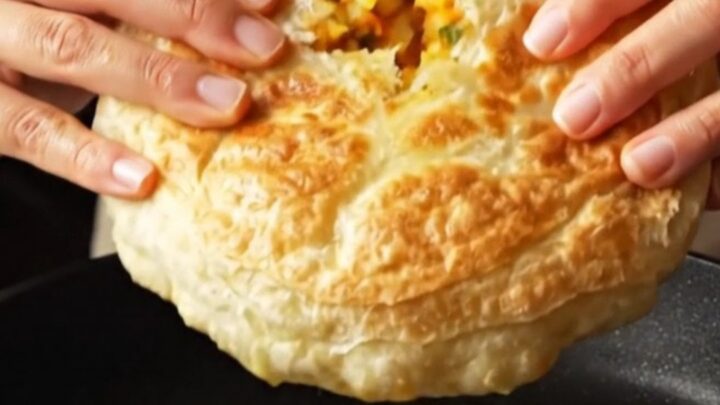
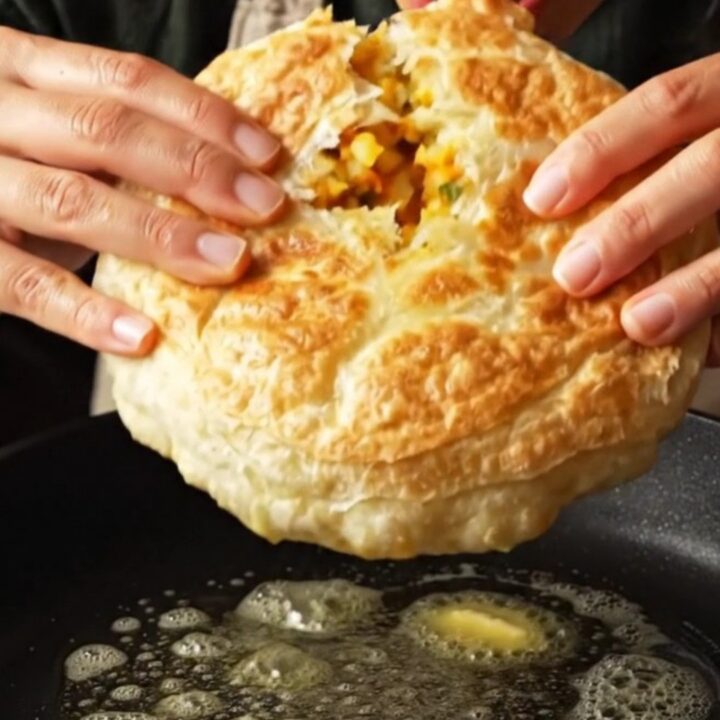
Serve the potato bazlama flatbreads warm, as a side to soups, stews, or grilled meats. They are also excellent for breakfast with eggs and a dollop of yogurt. Tear them open to reveal the steamy filling, and enjoy the contrast of textures.
For a vegetarian meal, pair with a fresh salad and some olives. The flatbreads are satisfying enough to be a main course on their own, especially with a bowl of soup.
For a more indulgent serving, brush the warm flatbreads with extra melted butter and sprinkle with a little flaky sea salt. They can be cut into wedges and served as an appetizer with a dipping sauce, such as a garlic-yogurt sauce or a simple tomato chutney. The flatbreads are best eaten the day they are made, but they reheat well. Store any leftovers and reheat in a skillet for a quick snack.
Frequently asked questions
Can this flatbread be made without yeast?
Why does the dough tear when rolling the filled flatbreads?
Can the flatbreads be baked instead of pan-fried?
What can be used instead of dill?
How to prevent the filling from leaking out during cooking?
Golden Potato Bazlama Flatbread: Tear-and-Share Comfort
Ingredients
- 3 1/2 cups all-purpose flour
- 2 1/4 tsp instant yeast
- 1 tsp sugar
- 1 1/2 tsp salt
- 1 1/4 cups warm water (110°F/43°C)
- 2 tbsp olive oil
- 1 1/2 lb potatoes, peeled and cubed
- 1 medium onion, finely chopped
- 1/4 cup fresh dill, chopped
- 1 tsp paprika
- 1/2 tsp salt
- 1/4 tsp black pepper
- 1 tbsp melted butter
Instructions
- In a large bowl, whisk together the flour, instant yeast, sugar, and salt. Add the warm water and olive oil. Stir with a wooden spoon until a shaggy dough forms, then turn out onto a lightly floured surface and knead for 8–10 minutes until smooth and elastic. Place the dough in a lightly oiled bowl, cover with a clean towel, and let rise in a warm spot for about 1 hour, or until doubled in size.
- Place the peeled and cubed potatoes in a medium saucepan and cover with cold water. Bring to a boil over high heat, then reduce to a simmer and cook for 12–15 minutes until fork-tender. Drain well and return to the pot. Mash the potatoes with a potato masher until mostly smooth. Add the chopped onion, fresh dill, paprika, salt, and black pepper. Stir to combine thoroughly. Set aside to cool slightly while you shape the dough.
- Once the dough has doubled, punch it down and turn it out onto a lightly floured surface. Divide the dough into 6 equal portions, about 4 ounces each. Roll each portion into a ball, then use a rolling pin to flatten each ball into a 6-inch round, about 1/4 inch thick. Keep the remaining dough covered with a towel while working.
- Place a generous scoop of the potato filling, about 1/4 cup, in the center of each dough round. Gather the edges of the dough up over the filling like a purse, pinching the top tightly to seal. Flatten the sealed bundle gently with your palm, then use a rolling pin to roll it into a smooth, round flatbread about 1/2 inch thick. Repeat with the remaining dough and filling.
- Heat a dry, non-stick skillet over medium heat. Place one stuffed flatbread in the skillet and cook for 2–3 minutes until the bottom is golden and blistered. Flip with a spatula and cook the other side for another 2–3 minutes, until puffed and cooked through. Transfer to a plate and immediately brush the top with melted butter. Repeat with the remaining flatbreads, adjusting the heat if needed.
Estimated nutrition per serving
- Calories
- 350
- Protein
- 8 g
- Carbohydrates
- 55 g
- Fat
- 11 g
Next recipe

One-Pan Creamy Tomato Meatball Shell Pasta
See the recipe → →This recipe is based on a short cooking video and is published under the pen name Clara Weller. It was checked before publication, but errors can slip through. Nutrition, when shown, is an estimate. Read more in our editorial policy and on our food safety page.
More recipes to try
One-Pan Fusilli with Vegetable Meat Ragù
Total time: 50 min
One-Pan Tomato Beef Spaghetti with Parmesan
Total time: 25 min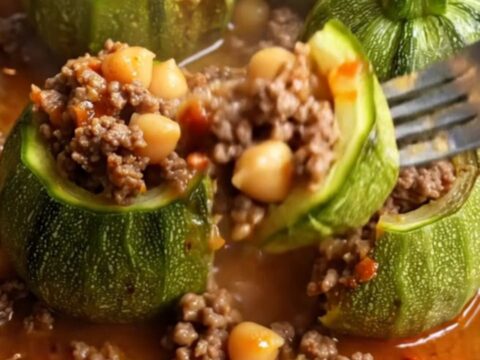
Stuffed Round Zucchini Dolmas with Spiced Beef and Chickpeas
Total time: 1 h 5 min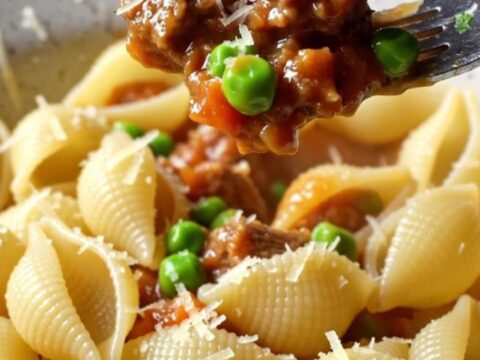
Golden Olive Oil Shell Pasta with Beef and Peas
Total time: 35 min
One-Pan Tagliatelle Bolognese with Blistered Tomatoes
Total time: 35 min