Dinner · Part 2 of 3: Instructions
Gochujang Honey Shrimp and Charred Octopus Skillet in One Pan Step-by-step instructions
- Prep
- Cook
- Total
- Serves
- 2
Before you start
Measure every ingredient into small prep bowls, pat proteins or vegetables dry with paper towels, and preheat your pan thoroughly before adding oil so browning starts cleanly without steaming.
Take your time with each step, and the result will be worth every minute spent in the kitchen.
Ingredients at a glance (9)
- 8 oz cooked octopus, cut into tentacle pieces
- 1/2 lb raw shrimp, peeled and deveined
- 1 tbsp unsalted butter
- 1 tbsp neutral oil, such as vegetable or canola
- 3 cloves garlic, minced
- 1 tbsp fresh ginger, finely grated
- 2 tbsp gochujang
- 1 tbsp honey
- 3 scallions, sliced into rings, whites and greens separated
Instructions
Prep and Aromatics
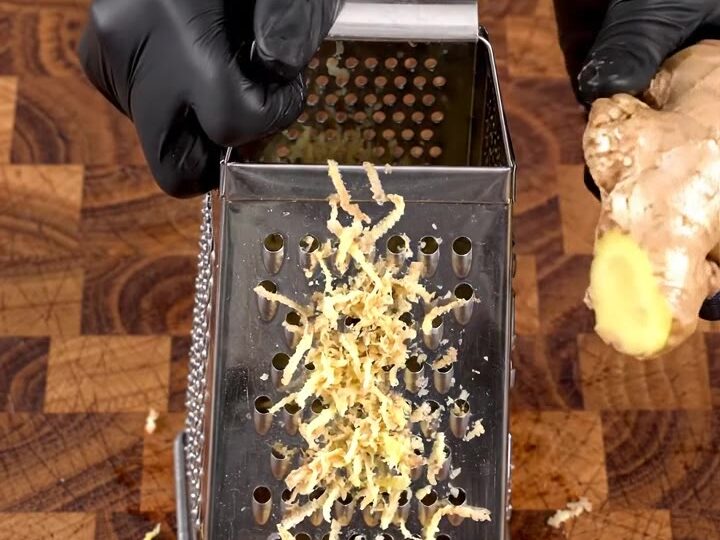
- Prepare the seafood and aromaticsPat the shrimp dry and keep them chilled until ready to cook. Cut the cooked octopus into bite-size tentacle pieces. Slice the scallions, keeping the whites and greens apart, mince the garlic, and finely grate the ginger on a box grater so its pulp collects in a small pile.Look for Shrimp are dry and firm, octopus pieces are cut, and ginger pulp sits in a fragrant pile.Tip Keep the raw shrimp in the refrigerator until the pan is hot, and wash the board and knife after handling the raw shrimp.
Every ingredient is evenly coated, fragrant and progressing at a steady gentle sizzle without sticking to the pan surface.
Take a moment to check the color, texture and aroma before moving on to the next stage.
Main Cooking Stage
- Char the octopus and sear the shrimpHeat the cast iron skillet over medium-high heat and melt the butter with the oil. Add the octopus pieces first and let them char until browned at the edges. Add the shrimp and turn them until they turn pink and opaque, cooking until they reach 145°F (63°C) inside.Look for Octopus edges are browned and shrimp curl into pink, opaque C shapes.Safe temperature 145°F (63°C) internal temperature (shellfish)Tip Leave the pieces undisturbed for a minute so they char rather than steam in the pan.
- Build the aromatic baseLower the heat slightly and add the minced garlic and grated ginger. Stir for about 30 seconds until fragrant, taking care not to scorch the garlic in the hot butter and oil.Look for The kitchen smells sharp and sweet, and the garlic turns pale gold.Tip If the pan looks dry, add a splash of water to loosen the fond before the glaze goes in.
Every ingredient is evenly coated, fragrant and progressing at a steady gentle sizzle without sticking to the pan surface.
Take a moment to check the color, texture and aroma before moving on to the next stage.
Final Glaze and Plating
- Add the gochujang honey glazeStir in the gochujang and honey until smooth. Let the mixture bubble and reduce for about a minute, until it turns glossy and thickens enough to coat the shrimp and octopus.Look for The sauce bubbles steadily, looks glossy and clings to the seafood.Tip Watch closely at this stage, since honey darkens quickly over high heat.
- Toss, garnish and serveScatter the sliced scallion whites over the top and toss the shrimp and octopus with tongs until every piece is evenly glazed. Finish with the green scallion rings and serve immediately from the skillet while the glaze is still sticky.Look for Every piece is coated in a sticky red glaze with bright green rings on top.Tip Serve right away, since the glaze tightens as it cools in the pan.
Every ingredient is evenly coated, fragrant and progressing at a steady gentle sizzle without sticking to the pan surface.
Take a moment to check the color, texture and aroma before moving on to the next stage.
Common mistakes
Avoid crowding the pan or flipping too early before a crust forms, keep the burner at steady medium-high heat so aromatics never scorch, and season in balanced layers rather than only at the end.
How to tell it’s done
The dish is ready when the exterior shows even golden color, the center feels tender when pressed gently with a fork, and the sauce coats the back of a spoon glossy and fragrant.
- Shellfish: 145°F (63°C) in the thickest part
Up next · Part 3 of 3
4 variations · storage & make-ahead · 5 answers · printable card
Tips, FAQ & printable recipe (Part 3)← Back to the ingredients (Part 1)