Breakfast · Part 3 of 3: Tips & recipe card
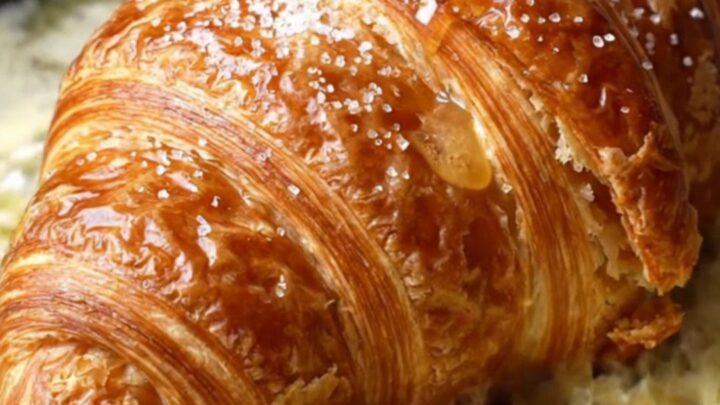
Giant Stuffed Nutella Croissant French Toast with Torched Sugar Crust Tips, FAQ & printable recipe
- Prep
- Cook
- Total
- Serves
- 2
Tips for success
For the best results, use day-old croissants. Fresh ones are too soft and may disintegrate during soaking. If your croissants are very fresh, let them sit out for a few hours or lightly toast them before stuffing.
Also, make sure your skillet is properly preheated before adding the butter—this ensures even browning and prevents sticking.
When torching the sugar, hold the torch about 2 to 3 inches away and keep it moving in a circular motion. This prevents burning and ensures even caramelization.
If you don’t have a torch, you can place the French toast under a preheated broiler for 30 to 60 seconds, but watch closely to avoid burning. The sugar should bubble and turn golden brown.
Variations
- Banana Nutella: Replace the strawberries with sliced bananas. The banana pairs beautifully with Nutella and adds natural sweetness. Cook as directed; the bananas will soften and become jammy inside.
- Raspberry Almond: Swap the Nutella for a chocolate-almond spread and use fresh raspberries. Sprinkle sliced almonds on top before torching for extra crunch.
- Salted Caramel: Use a salted caramel sauce instead of Nutella, and top with a sprinkle of flaky sea salt after torching. The salty-sweet combination is irresistible.
- Cream Cheese Berry: Spread a layer of softened cream cheese inside the croissant along with the Nutella, and use mixed berries. The tangy cream cheese balances the sweetness.
Storage and make-ahead
- Fridge
- Store leftovers in an airtight container in the refrigerator for up to 2 days.
- Freezer
- Freeze the cooked French toast (without the sugar crust) for up to 1 month. Thaw in the refrigerator overnight, then reheat in a toaster oven or skillet.
- Reheat
- Reheat leftover French toast in a toaster oven or under the broiler for 5-7 minutes until warm and crisp. Avoid the microwave, which will make it soggy.
Store any leftover French toast in an airtight container in the refrigerator for up to 2 days. The sugar crust will soften, so reheat in a toaster oven or under the broiler to crisp it up again. The filling may also become messy, but it will still taste delicious.
You can prepare the stuffed croissants and custard up to a day ahead. Keep the stuffed croissants in the refrigerator and the custard in a covered bowl.
When ready to cook, dip and fry as directed. The sugar topping should be added and torched just before serving to maintain the crisp crust.
Serving ideas
Serve the giant stuffed Nutella croissant French toast immediately after torching and cracking the sugar crust.
The contrast of the hot, molten filling with the cool, crisp sugar is best enjoyed right away. Pair it with a cup of strong coffee or a glass of cold milk to balance the sweetness.
This dish is generous enough to serve two people, but it can also be cut into halves or quarters for sharing. For a brunch spread, serve it alongside fresh fruit, yogurt, or a simple green salad. The crackly sugar crust is a delightful surprise that will have everyone reaching for a fork.
Frequently asked questions
Can this recipe be made without a kitchen torch?
Why does the croissant fall apart during soaking?
Can this be prepared ahead of time?
What is the best way to reheat leftovers?
Can other fruits be used instead of strawberries?
Giant Stuffed Nutella Croissant French Toast with Torched Sugar Crust

Ingredients
- 2 large all-butter bakery croissants
- 1/2 cup Nutella hazelnut spread
- 1/2 cup fresh sliced strawberries
- 2 large eggs
- 1/2 cup whole milk
- 1/4 cup heavy cream
- 1 tsp vanilla extract
- 1/2 tsp ground cinnamon
- 2 tbsp unsalted butter
- 2 tbsp granulated sugar
Instructions
- Using a serrated knife, slice each croissant horizontally through the middle, like opening a book. Spread 1/4 cup of Nutella on the inside of each croissant, covering both cut surfaces. Arrange the sliced strawberries evenly over the Nutella on the bottom half, then close the croissant and press gently to seal.
- In a shallow dish wide enough to fit a croissant, whisk together the eggs, whole milk, heavy cream, vanilla extract, and ground cinnamon until the mixture is smooth and slightly frothy. The custard should be well combined with no streaks of egg yolk.
- Place one stuffed croissant into the custard bath and let it soak for 20 seconds per side, using a spatula to gently press it down so the custard absorbs into the bread. Carefully lift it out, allowing any excess custard to drip back into the dish, and set it on a plate. Repeat with the second croissant.
- Place a non-stick skillet over medium heat and add the 2 tablespoons of butter. Let it melt and foam until the foaming subsides and the butter smells nutty, but do not let it brown. Swirl the pan to coat the bottom evenly.
- Carefully place the soaked croissants into the hot skillet. Cook for 3 minutes per side, using a spatula to press gently, until the exterior is deep golden brown and caramelized. The crust should be crisp and the interior warm and custardy. If cooking in batches, keep the first croissant warm on a baking sheet in a low oven.
- Transfer the cooked croissant French toast to serving plates. Sprinkle the granulated sugar evenly over the top surface of each croissant, covering the entire top in a thin, even layer.
- Using a kitchen torch, pass the flame back and forth over the sugar until it melts, bubbles, and turns a deep amber color. Continue until the sugar forms a hard, glass-like shell. Let it cool for 30 seconds to harden completely.
- Tap the torched sugar crust with the back of a fork to crack it into shards, exposing the warm, molten Nutella and strawberries inside. Serve immediately while the crust is crisp and the center is warm and flowing.
Estimated nutrition per serving
- Calories
- 780
- Protein
- 18 g
- Carbohydrates
- 80 g
- Fat
- 45 g
Next recipe

Antep Katmer: Crispy Phyllo with Kaymak & Pistachios
See the recipe → →This recipe is based on a short cooking video and is published under the pen name Clara Weller. It was checked before publication, but errors can slip through. Nutrition, when shown, is an estimate. Read more in our editorial policy and on our food safety page.
More recipes to try

Menemen Skillet with Melted Cheese and Runny Yolks
Total time: 15 min
Crispy Turkish Breakfast Toast Omelet Pocket
Total time: 13 min
Golden Poppy Seed Açma: Soft Turkish Pastry Rings
Total time: 2 h
Quick Cinnamon Monkey Bread Rolls
Total time: 2 h
Authentic Turkish Menemen with Runny Eggs and Crusty Bread
Total time: 25 min