Dinner · Part 3 of 3: Tips & recipe card
Garlic Butter Clams and Prawns in White Wine Skillet Tips, FAQ & printable recipe
- Prep
- Cook
- Total
- Serves
- 4
Tips for success
For the best sear, make sure the prawns are very dry before adding them to the pan. Pat them with paper towels and season just before cooking.
If they are wet, they will steam instead of sear. Also, don't crowd the pan; cook in batches if needed, though a large skillet should fit a pound of prawns in a single layer.
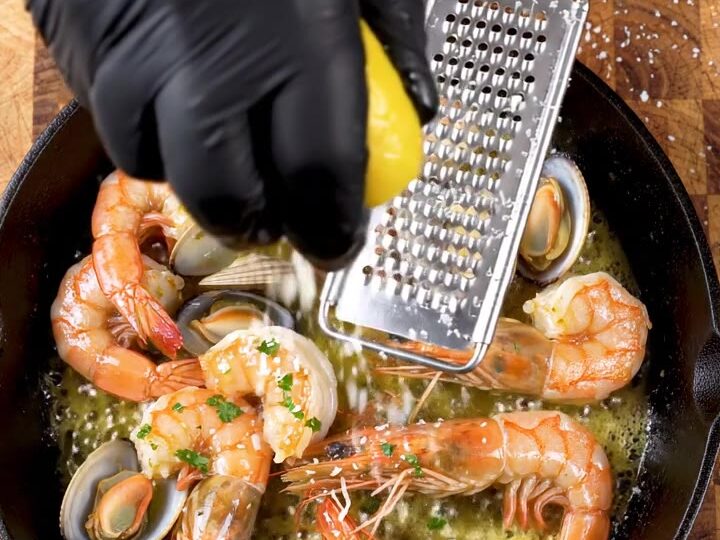
The sauce is the star, so be generous with the lemon juice and cheese. Add the lemon juice off the heat to keep it bright.
Use a good-quality dry white wine that you would drink, like Sauvignon Blanc or Pinot Grigio. If you prefer not to use wine, substitute seafood stock or chicken broth, though the flavor will be slightly different.
Variations
- Add red pepper flakes: For a spicy kick, add 1/4 to 1/2 teaspoon red pepper flakes along with the garlic. The heat will infuse the butter and wine, giving the sauce a pleasant warmth without overpowering the seafood.
- Use mussels instead of clams: Substitute the same weight of mussels for the clams. Scrub the mussels and remove the beards. They will open faster, so reduce the steaming time to 3 to 5 minutes. Discard any that remain closed.
- Add cherry tomatoes and olives: For a Mediterranean twist, add a handful of pitted Kalamata olives along with the cherry tomatoes. The briny olives complement the seafood and add depth to the sauce.
- Make it creamy: After the clams have opened, stir in 1/4 cup heavy cream and simmer for a minute. The cream will enrich the sauce, making it velvety. Adjust the lemon and cheese to balance the richness.
Storage and make-ahead
- Fridge
- Store leftovers in an airtight container in the refrigerator for up to 2 days. Reheat gently on the stovetop with a splash of wine or water.
- Freezer
- Freezing is not recommended as the texture of the seafood will suffer. It is best enjoyed fresh.
- Reheat
- Reheat leftovers in a skillet over low heat, adding a splash of wine or water to loosen the sauce. Do not boil, to avoid toughening the seafood.
Refrigerate leftovers in an airtight container for up to 2 days. Reheat gently in a skillet over low heat, adding a splash of wine or water to loosen the sauce. The seafood will continue to cook slightly, so reheat just until warm. Do not microwave, as it can make the prawns rubbery.
This dish is best cooked fresh, but you can prep the ingredients in advance. Halve the tomatoes, mince the garlic, chop the parsley, and grate the cheese up to a day ahead.
Keep them refrigerated in separate containers. Scrub the clams and store them in the refrigerator wrapped in a damp towel. Cook the dish just before serving.
Serving ideas
Serve the garlic butter clams and prawns immediately in shallow bowls, spooning plenty of the garlicky wine sauce over the top. A side of crusty bread is essential for sopping up the sauce.
A simple green salad with lemon vinaigrette balances the richness. This dish also works well over pasta, rice, or polenta for a more filling meal.
Finish each serving with an extra sprinkle of chopped parsley and a few grinds of black pepper. If you like a little heat, add a pinch of red pepper flakes when cooking the garlic. The dish is elegant enough for a dinner party but quick enough for a weeknight. Serve with the same white wine you used in the sauce.
Frequently asked questions
Can this recipe be made without wine?
How do you clean clams before cooking?
What can be used instead of Picorino Romano?
Why do some clams not open?
Can this dish be served over pasta?
Garlic Butter Clams and Prawns in White Wine Skillet
Ingredients
- 1 pint ruby cherry tomatoes, halved
- 6 cloves garlic, minced
- 1/2 cup fresh flat-leaf parsley, chopped
- 1/2 cup grated aged Picorino Romano cheese
- 4 tbsp unsalted butter
- 1 lb jumbo prawns, peeled and deveined
- 2 lb manila clams, scrubbed
- 1/2 cup dry white wine
- 1 lemon, juiced
- Kosher salt, to taste
- Freshly ground black pepper, to taste
Instructions
- Halve the ruby cherry tomatoes and set them aside. Mince the garlic cloves and chop the fresh flat-leaf parsley. Grate the aged Picorino Romano cheese on a box grater into a pile of feathery shreds. Pat the prawns dry and season lightly with salt and pepper. Scrub the clams under cold running water to remove any grit.
- Place a large cast iron skillet over medium-high heat and add the butter. Let it melt and foam, swirling the pan occasionally, until the foaming subsides and the butter smells nutty. Do not let it brown too deeply.
- Add the prawns to the skillet in a single layer. Cook for 1 to 2 minutes per side, until they turn pink and opaque and are just cooked through. Remove them to a plate and set aside. Do not overcook; they will finish in the sauce later.
- Reduce the heat to medium and add the minced garlic to the skillet. Cook for 30 seconds until fragrant, stirring constantly. Add the halved cherry tomatoes and cook for 2 to 3 minutes, until they begin to soften and release their juices.
- Pour in the white wine and bring to a simmer, scraping up any browned bits from the bottom of the skillet. Nestle the clams into the liquid, cover the skillet, and cook for 5 to 7 minutes, shaking the pan occasionally, until the clams have opened.
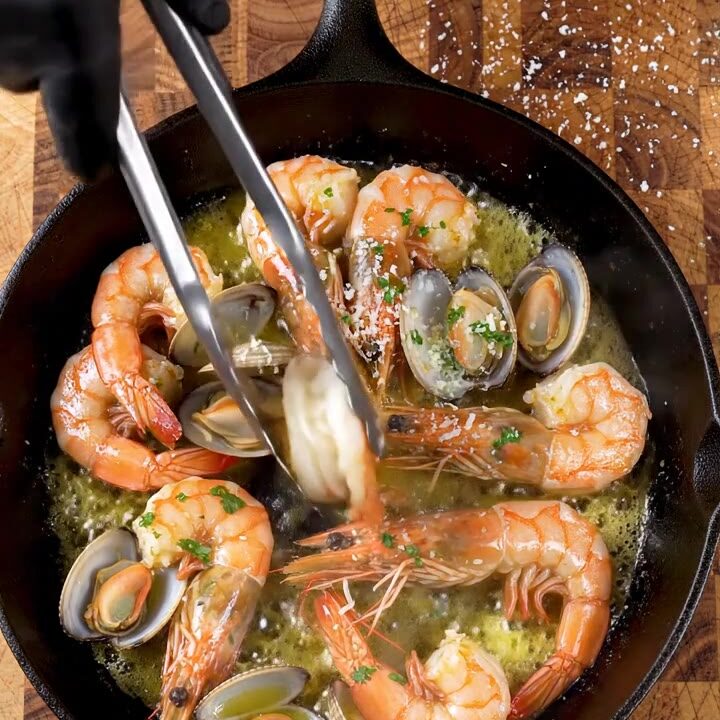
- Return the seared prawns to the skillet and stir gently to coat them in the sauce. Squeeze the lemon juice over the top and sprinkle with the grated Picorino Romano cheese and chopped parsley. Stir once or twice, then remove from the heat.
- Spoon the clams and prawns into shallow bowls, making sure to ladle plenty of the garlicky wine sauce over the top. Finish with an extra sprinkle of parsley and a few grinds of black pepper if desired. Serve hot with crusty bread for dipping.
Estimated nutrition per serving
- Calories
- 420
- Protein
- 38 g
- Carbohydrates
- 12 g
- Fat
- 22 g
Next recipe
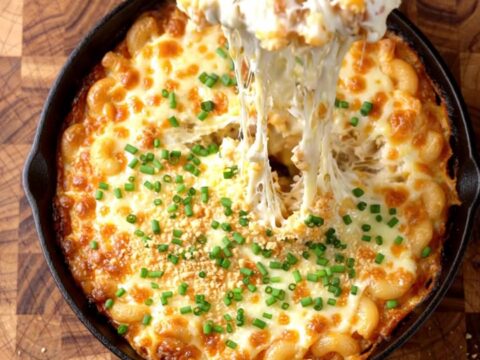
Crispy Panko Cauliflower Mac and Cheese Skillet
See the recipe → →This recipe is based on a short cooking video and is published under the pen name Clara Weller. It was checked before publication, but errors can slip through. Nutrition, when shown, is an estimate. Read more in our editorial policy and on our food safety page.
More recipes to try
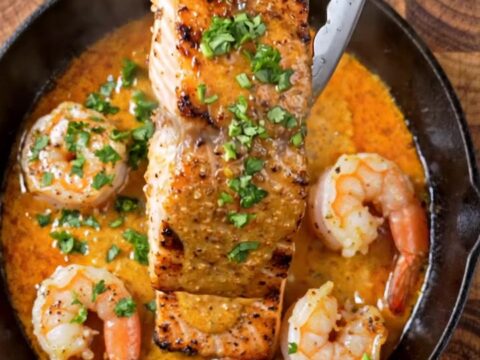
Cajun Blackened Salmon with Creamy Shrimp Skillet
Total time: 35 min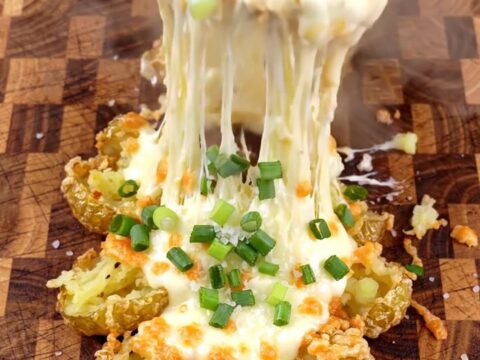
Crispy Smashed Potatoes with Molten Raclette Cheese
Total time: 40 min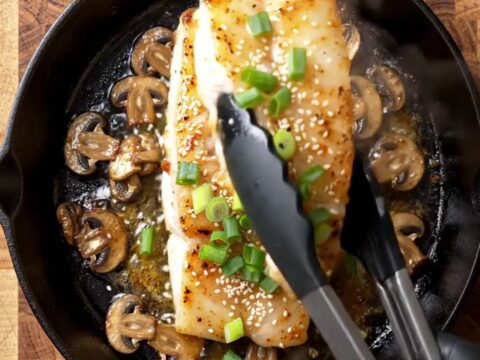
Miso Butter Halibut with Shiitake and Bok Choy
Total time: 35 min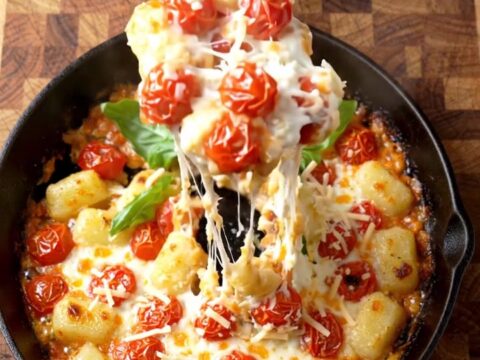
Blistered Tomato Gnocchi with Molten Brie in Garlic Butter Skillet
Total time: 30 min
Tuscan Salmon and Scallops with Pink Vodka Cream Sauce
Total time: 35 min