Dinner · Part 3 of 3: Tips & recipe card
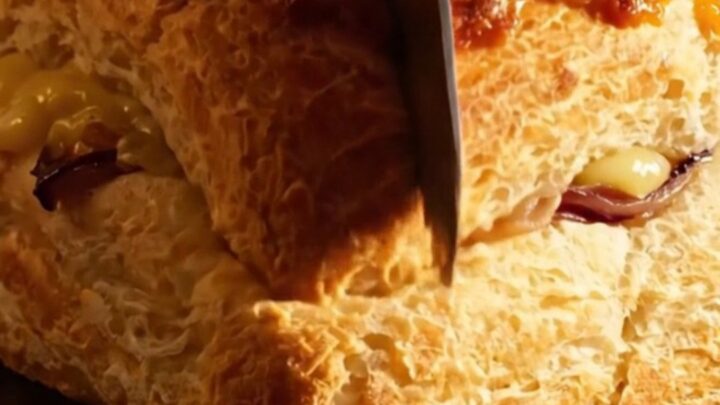
French Onion Soup Focaccia with Gruyere Tips, FAQ & printable recipe
- Prep
- Cook
- Total
- Serves
- 8
Tips for success
For the best caramelized onions, be patient. Cook them over medium heat, stirring occasionally, until they are deeply browned and sweet. This can take 15-20 minutes. Don't rush it; the flavor is worth the wait.
Adding a splash of beef broth at the end deglazes the pan and adds extra savoriness. If you prefer a milder onion flavor, you can reduce the amount or cook them less, but the deep caramelization is key to this dish.
When folding the onions into the dough, work gently to avoid crushing them. Use a bench scraper if needed to help fold and turn the dough. The dough will be a bit sticky, but resist adding too much flour. A light dusting is enough.
Press the dough into the pan with your fingertips to create dimples; this helps the dough rise evenly and gives the focaccia its characteristic texture. Don't skip the second rise—it's crucial for a light crumb.
Variations
- Herb and Garlic: Add 3 cloves of minced garlic to the onions during the last 2 minutes of cooking. Replace thyme with rosemary for a different aromatic profile. The garlic will infuse the dough with a savory punch.
- Mushroom and Swiss: Sauté 8 oz sliced mushrooms with the onions. Use Swiss cheese instead of gruyere. The mushrooms add an earthy depth that complements the onions and cheese.
- Caramelized Shallot and Brie: Substitute shallots for onions, using 6 large shallots. Use brie slices instead of grated gruyere. The brie will melt into a creamy, luxurious topping.
- Spicy Pepper Jack: Add 1 tsp red pepper flakes to the onions. Use pepper jack cheese instead of gruyere for a spicy, melty kick. Garnish with cilantro instead of chives.
Storage and make-ahead
- Fridge
- Store in an airtight container in the fridge for up to 3 days. Reheat in a toaster oven or regular oven to restore crispness.
- Freezer
- Wrap tightly in plastic wrap and aluminum foil. Freeze for up to 2 months. Reheat from frozen at 350°F for 10-15 minutes.
- Reheat
- Reheat in a 350°F oven for 5-7 minutes until warm and crisp. For frozen, reheat for 10-15 minutes.
Store leftover focaccia in an airtight container at room temperature for up to 2 days. To refresh, reheat in a 350°F oven for 5-7 minutes until warm and crisp. Avoid microwaving, as it will make the bread soggy. If storing for longer, wrap tightly and freeze for up to 2 months. Thaw at room temperature or reheat directly from frozen.
The dough can be prepared through the second rise and refrigerated overnight. In the morning, let it come to room temperature for 30 minutes, then top with cheese and bake. Or, fully bake the focaccia, cool completely, and wrap tightly. It can be stored at room temperature for 2 days or frozen for up to 2 months. Reheat before serving.
Serving ideas
Serve this focaccia warm, straight from the oven, as a centerpiece for a soup night. It pairs beautifully with a bowl of tomato soup, a hearty beef stew, or a simple green salad.
The cheese pulls apart in long strands, making it fun to share. Slice it into squares or wedges and serve on a wooden board for a rustic presentation. It's also great as an appetizer with a glass of red wine.
For a heartier meal, use the focaccia to make sandwiches. Slice it horizontally and fill with roasted vegetables, grilled chicken, or leftover pot roast. The bread's sturdy crust holds up well to fillings.
Or, serve it alongside a cheese board or charcuterie platter. Leftovers can be toasted and topped with a fried egg for a savory breakfast. The possibilities are endless, but the focaccia is best enjoyed fresh and warm.
Frequently asked questions
Can this focaccia be made gluten-free?
Why does the cheese not brown evenly?
Can the dough be prepared in a bread machine?
What is the best way to reheat leftover focaccia?
Can the onions be caramelized in advance?
French Onion Soup Focaccia with Gruyere

Ingredients
- 4 cups all-purpose flour
- 2 1/4 tsp instant yeast
- 1 1/2 cups warm water
- 2 tsp kosher salt
- 1/4 cup olive oil, plus more for the pan
- 3 large yellow onions, thinly sliced
- 2 tbsp fresh thyme leaves
- 200 g gruyere cheese, grated
- 1/2 cup beef broth
- 2 tbsp fresh chives, chopped
Instructions
- Heat 2 tablespoons of olive oil in a large skillet over medium heat. Add the sliced onions and cook, stirring occasionally, until deeply golden and jammy, about 15 minutes. Stir in the fresh thyme and beef broth, scraping up any browned bits. Cook for 2 more minutes, then remove from heat and let cool slightly.
- In a large mixing bowl, combine the flour, instant yeast, and kosher salt. Add the warm water and the remaining 2 tablespoons of olive oil. Stir with a wooden spoon until a shaggy dough forms. Turn out onto a floured surface and knead for 5 minutes until smooth and elastic.
- Place the dough in a lightly oiled bowl, cover with plastic wrap or a clean towel, and let rise in a warm spot until doubled in size, about 1 hour.
- Gently deflate the dough and turn it out onto a lightly floured surface. Pat it into a rough rectangle. Spread the caramelized onions over the surface, then fold the dough over them like a letter. Knead a few times to distribute the onions evenly, but don't overwork.
- Oil a 9x13-inch baking pan generously with olive oil. Transfer the dough to the pan and press it out to the edges. Cover loosely with plastic wrap and let rise for another 30 minutes, until puffy.
- Preheat the oven to 450°F (232°C). Sprinkle the grated gruyere evenly over the surface of the risen dough, pressing gently so it adheres.
- Place the pan in the preheated oven and bake for 22 minutes, until the crust is deep golden brown and the cheese is bubbling and blistered in spots.
- Remove the focaccia from the oven and let it cool in the pan for 5 minutes. Sprinkle with fresh chives, then slice and serve warm.
Estimated nutrition per serving
- Calories
- 420
- Protein
- 14 g
- Carbohydrates
- 52 g
- Fat
- 18 g
- Fiber
- 3 g
- Sugar
- 6 g
- Sodium
- 620 mg
Next recipe
Basil Pesto and Burrata Focaccia with Crispy Crust
See the recipe → →This recipe is based on a short cooking video and is published under the pen name Clara Weller. It was checked before publication, but errors can slip through. Nutrition, when shown, is an estimate. Read more in our editorial policy and on our food safety page.
More recipes to try
Crispy Pugliese Focaccia Barese with Sun-Dried Tomatoes
Total time: 40 min
Korean Corn-Cheese Stuffed Crust Bulgogi Pizza
Total time: 55 min
Crispy Mortadella Burrata Focaccia Sandwich
Total time: 18 min
Philly Cheesesteak Stuffed Crust Pizza
Total time: 50 min
Crispy Stuffed Pizza Baguette Boat
Total time: 27 min