Dinner · Part 3 of 3: Tips & recipe card
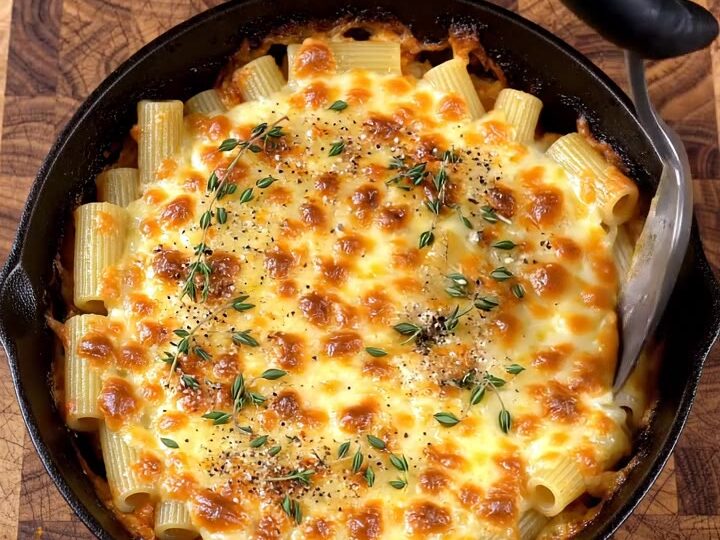
French Onion Rigatoni Bake with Gruyère in One Skillet Tips, FAQ & printable recipe
- Prep
- Cook
- Total
- Serves
- 4
Tips for success
Use the heaviest skillet you own for the onions. Thick cast iron holds steady heat, which gives the onions an even color without scorching. If your pan is thin, lower the heat slightly and stir a little more often so the sugars caramelize gradually.
Keep a small bowl of hot water within reach while the pasta simmers. A splash at a time keeps the rigatoni moving and prevents the bottom from sticking, especially in the last few minutes before the cheese goes on. Taste the sauce before serving and add more black pepper or kosher salt if it needs lift.
Variations
- Mushroom version: Add thinly sliced cremini mushrooms to the skillet after the onions turn golden, cooking them until browned before adding the garlic and thyme. The earthy mushrooms deepen the savory base and pair well with the nutty Gruyère.
- Smoky Comté bake: Swap the Gruyère for grated Comté, which melts just as smoothly with a slightly sweeter, buttery note. Serve it with a sprinkle of smoked paprika over the top for a subtle smoky finish.
- Mini skillet portions: Divide the rigatoni mixture among four small oven-safe skillets or ramekins before adding the cheese. Reduce the bake to about 8 to 10 minutes, so each person gets an individual golden, blistered crust.
- Vegetable broth version: Use low-sodium vegetable broth in place of the beef broth for a lighter, sweeter base. The caramelized onions still carry the dish, and the sauce keeps its savory character with the Gruyère on top.
Storage and make-ahead
- Fridge
- Store leftovers in an airtight container in the refrigerator for up to 3 days, and cool them for no more than 2 hours first.
- Freezer
- Freezing is not recommended, because the pasta softens and the cheese turns grainy once it thaws and reheats.
- Reheat
- Reheat single portions in a covered skillet over low heat with a splash of broth, or in a 350°F (175°C) oven until hot through.
Let the skillet cool for 2 hours at most before storing, then transfer any leftovers to an airtight container and refrigerate. The pasta keeps its texture best when the bake is stored in portions rather than in the whole skillet.
Stored this way, the dish stays good in the refrigerator for up to 3 days. Do not leave the baked dish at room temperature for longer than that window, and discard anything that smells sour or looks slimy.
You can caramelize the onions up to two days ahead. Cook them as directed, let them cool completely, then keep them covered in the refrigerator. When you are ready to cook, reheat the onions over medium heat, add the garlic, thyme and broth, and continue with the rigatoni.
The full dish can also be assembled through the cheese layer, covered and refrigerated for up to a day, then baked straight from the cold skillet, adding about 5 minutes to the oven time so the center heats through and the cheese melts completely.
Serving ideas
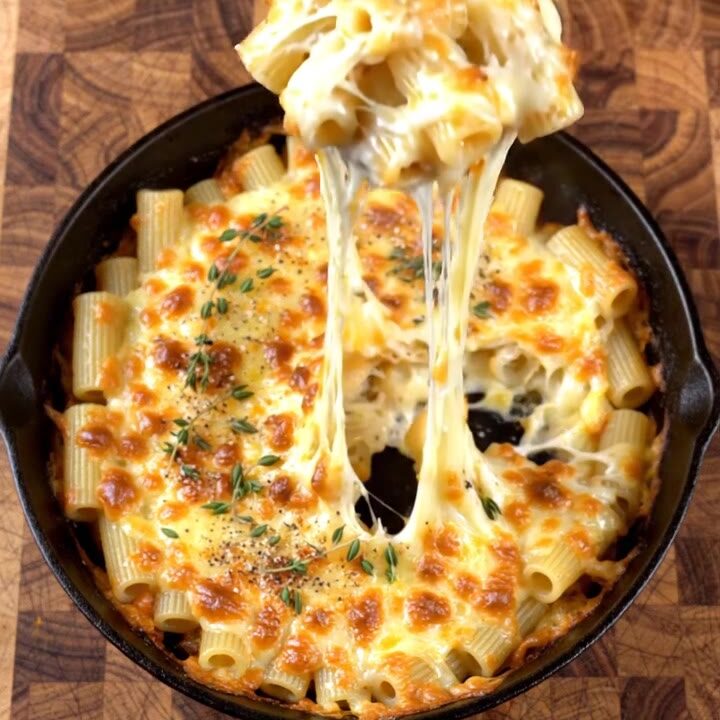
Serve the bake straight from the cast iron skillet at the table, so the cheese stays molten and stretchy. Use a wooden spoon to scoop from the center, where the cheese pulls in long strands and the sauce is at its creamiest.
Spoon portions onto warm plates and let each person add a little extra black pepper. The dish is rich on its own, so it does not need much on the side.
A simple green salad with a sharp vinaigrette makes a good companion, because the acidity cuts through the caramelized onions and melted Gruyère. A crusty baguette is also welcome for wiping up the sauce that collects at the bottom of the skillet.
Garnish each serving with a few fresh thyme leaves and the small sprig of thyme from the side, which adds a fresh herbal note that brightens every bite.
Frequently asked questions
Can the onions be caramelized ahead of time?
Why is your rigatoni dry after baking?
Can a different cheese replace Gruyère?
Can you use a different pan instead of a cast iron skillet?
How do you keep the cheese from burning before the center melts?
French Onion Rigatoni Bake with Gruyère in One Skillet
Ingredients
- 1 whole yellow onion, thinly sliced into half-moons
- 2 tbsp unsalted butter
- 1 tbsp olive oil
- 1 tsp kosher salt, plus more to taste
- 3 cloves whole garlic, peeled
- 4 sprigs fresh thyme sprigs, plus leaves for garnish
- 2 cups low-sodium beef broth
- 8 oz dry rigatoni pasta
- 6 oz Gruyère cheese, block, grated on a box grater
- freshly ground black pepper to taste
Instructions
- Heat the butter and olive oil in the cast iron skillet over medium heat. Add the sliced onion, sprinkle with the kosher salt and cook, stirring every few minutes, until the onion turns deep golden and jammy, about 25 minutes.
- Add the whole garlic cloves and thyme sprigs to the skillet and cook for 1 minute, stirring, until fragrant. Pour in the beef broth, scrape up the browned bits from the bottom of the pan and season with black pepper.
- Add the dry rigatoni to the skillet and stir to coat it in the onion broth. Bring everything to a gentle simmer, cover and cook, stirring now and then, until the pasta is nearly tender and most of the liquid is absorbed, about 12 to 15 minutes.
- Grate the Gruyère block over a box grater so it falls in a fine, fluffy pile. Spread a generous, even layer of the cheese over the pasta in the skillet, reaching the edges.
- Set the oven rack in the upper third and heat the oven to 400°F (200°C). Transfer the skillet to the oven and bake until the cheese has melted completely, bubbles and browns into a golden, blistered crust, about 10 to 15 minutes.
- Let the skillet rest for 5 minutes so the cheese sets slightly. Scatter the fresh thyme leaves over the top, add a small thyme sprig on the side and serve straight from the cast iron skillet.
Estimated nutrition per serving
- Calories
- 640
- Protein
- 28 g
- Carbohydrates
- 60 g
- Fat
- 30 g
- Fiber
- 4 g
- Sugar
- 8 g
- Sodium
- 1100 mg
Next recipe

Coconut Crusted Mahi-Mahi with Mango Salsa in One Skillet
See the recipe → →This recipe is based on a short cooking video and is published under the pen name Clara Weller. It was checked before publication, but errors can slip through. Nutrition, when shown, is an estimate. Read more in our editorial policy and on our food safety page.
More recipes to try
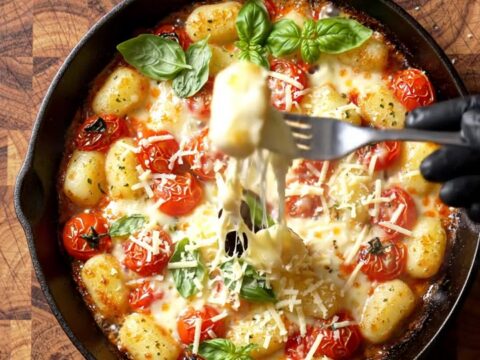
Blistered Tomato Gnocchi Skillet with Brie and Basil
Total time: 25 min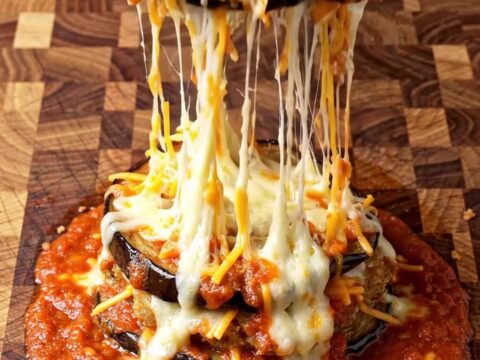
Crispy Eggplant Parmesan Stacks with Molten Mozzarella in One Skillet
Total time: 1 h 5 min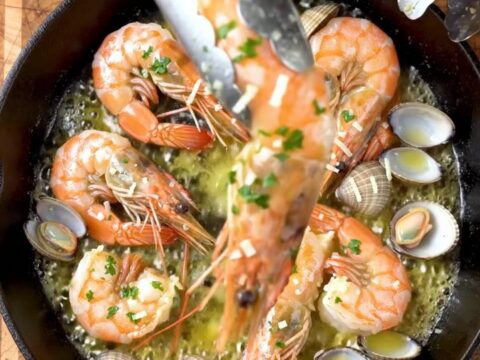
Garlic Butter Clams and Prawns in White Wine Skillet
Total time: 27 min
Four Cheese Cauliflower Mac and Cheese Skillet with Crispy Panko
Total time: 1 h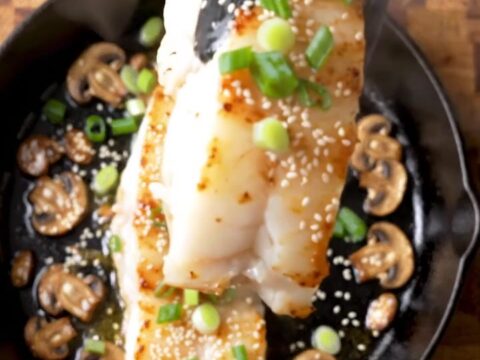
Miso Butter Seared Halibut with Shiitake and Bok Choy in One Pan
Total time: 30 min