Dinner · Part 3 of 3: Tips & recipe card
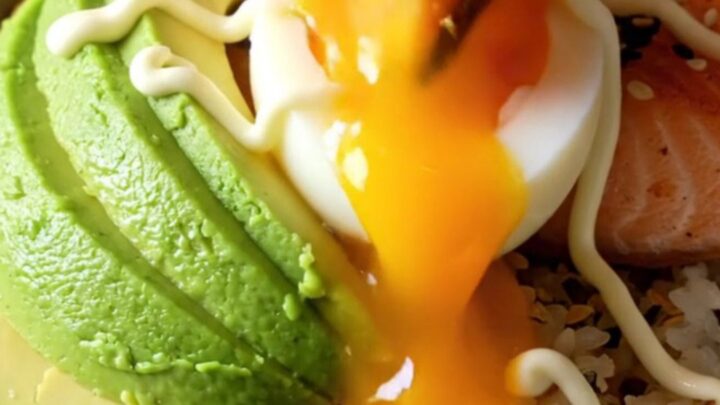
Crispy Yuzu Kosho Salmon Rice Bowl with Jammy Egg Tips, FAQ & printable recipe
- Prep
- Cook
- Total
- Serves
- 2
Tips for success
For the crispiest skin, pat the salmon completely dry before searing. Any moisture will steam the skin and prevent browning.
Also, make sure the pan is hot before adding the fish—a drop of water should sizzle on contact. Press the fillets down firmly with a spatula for a few seconds to ensure even contact.
When making the glaze, keep the heat low after adding the butter to prevent it from burning. If the glaze becomes too thick, add a splash of water or sake to thin it.
Taste and adjust the seasoning—yuzu kosho can be quite spicy, so add more or less according to your preference.
Variations
- Spicy Mayo Drizzle: Mix 1 tablespoon kewpie mayo with 1 teaspoon sriracha or chili oil and a squeeze of lime. Drizzle over the bowl instead of plain mayo for an extra kick.
- Vegetable Add-Ins: Add steamed or sautéed greens like spinach or bok choy to the bowl. Toss them with a little soy sauce and sesame oil before adding to the bowl.
- Teriyaki Style: Replace the yuzu kosho with 1 tablespoon of teriyaki sauce and reduce the soy sauce to 1 tablespoon. Skip the mirin and use honey instead for a sweeter glaze.
- Crispy Tofu Version: For a vegetarian option, use extra-firm tofu. Press and cut into slabs, then sear in the same way as the salmon. Use a vegan butter substitute and check that the furikake is vegan.
Storage and make-ahead
- Fridge
- Store leftover rice bowl in an airtight container in the refrigerator for up to 2 days. For best texture, reheat the rice and salmon separately.
- Freezer
- Not recommended, as the rice and egg do not freeze well.
- Reheat
- Reheat the rice in the microwave or on the stovetop with a splash of water.
Store any leftover rice bowl in an airtight container in the refrigerator for up to 2 days.
The salmon may lose its crispness, but the flavors will still be good. Keep the egg separate if possible to avoid it becoming too firm.
You can cook the rice and make the onsen egg up to 2 days ahead. Keep the rice in the refrigerator and reheat it in the microwave or on the stovetop with a splash of water.
The egg can be stored in the shell in the refrigerator and reheated in warm water for 5 minutes before serving.
Serving ideas
Serve the rice bowl immediately after assembling, while the salmon is still crisp and the egg yolk is warm and runny. The contrast of warm rice, cool avocado, and creamy egg is best enjoyed right away.
For a complete meal, add a side of steamed vegetables or a simple cucumber salad. The bowl is substantial enough as a main course, but it also works as a lighter lunch or dinner.
Frequently asked questions
What is yuzu kosho and where can you find it?
Can this recipe be made without an onsen egg?
How do you get the salmon skin super crispy?
Can you use frozen salmon for this recipe?
What can you substitute for mirin?
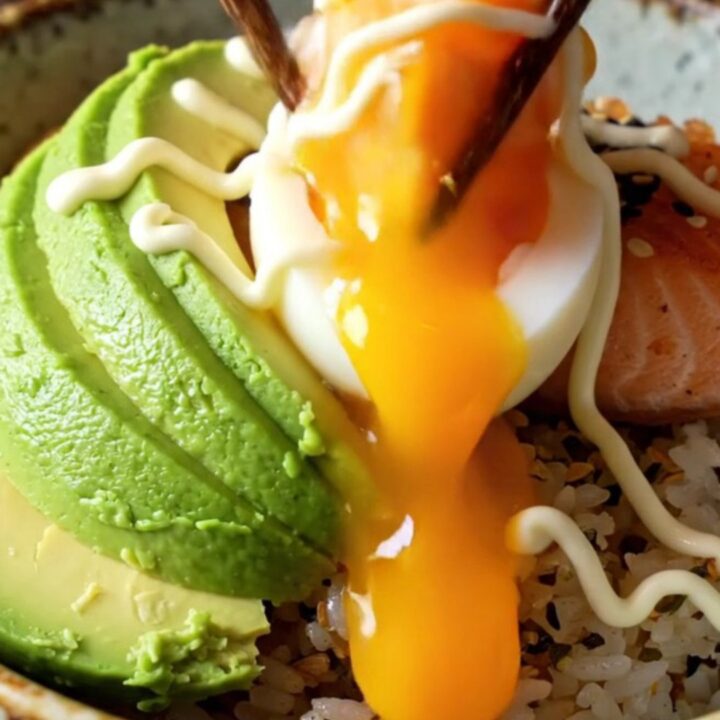
Crispy Yuzu Kosho Salmon Rice Bowl with Jammy Egg
Ingredients
- 2 fillets salmon, skin-on (about 6 oz each)
- 2 cups warm steamed Japanese short-grain rice
- 1 tbsp yuzu kosho paste
- 2 tbsp soy sauce
- 1 tbsp mirin
- 1 tbsp butter
- 2 tbsp furikake seasoning
- 1 soft-boiled onsen egg
- 1/2 avocado, sliced
- 1 tbsp kewpie mayonnaise
- 1 scallion, sliced
Instructions
- Cook the Japanese short-grain rice according to package directions, or use leftover warm rice. For the onsen egg, bring a small pot of water to 170°F (77°C) and gently lower the egg in its shell into the water. Cook for 13 minutes, then remove and immediately place in an ice bath to stop cooking. Peel carefully and set aside.
- Halve the avocado, remove the pit, and slice the flesh into thin wedges. Slice the scallion thinly, using both white and green parts. Set both aside for assembly.
- Pat the salmon fillets dry with paper towels. Heat a large skillet over medium-high heat and add a thin layer of oil (or use a nonstick pan with no oil). Place the salmon skin-side down in the hot pan and press firmly with a spatula for 10 seconds to ensure even contact. Cook undisturbed for 5 minutes, until the skin is deeply golden and crisp.
- Carefully flip the salmon fillets using a thin spatula. Cook on the flesh side for 2 to 3 minutes, until the salmon is just cooked through and flakes easily with a fork. The internal temperature should reach 145°F (63°C) for food safety.
- In a small bowl, whisk together the yuzu kosho paste, soy sauce, mirin, and butter. After removing the salmon from the pan, pour the glaze into the hot skillet. It will bubble immediately. Stir and let it simmer for 30 seconds until slightly thickened and fragrant.
- Return the salmon fillets to the skillet, skin-side up, and spoon the bubbling glaze over the top. Let them sit in the glaze for 30 seconds, spooning the sauce over the fish continuously, until the fillets are well coated and shiny.
- Divide the warm steamed rice between two bowls. Sprinkle each bowl generously with furikake seasoning, using about 1 tablespoon per bowl. Arrange the sliced avocado on one side of each bowl.
- Place a glazed salmon fillet on top of the furikake rice in each bowl. Gently place the soft-boiled onsen egg on top of the salmon or next to it. Using chopsticks or a knife, pierce the egg yolk so it runs over the rice and salmon.
- Drizzle the kewpie mayonnaise over the top of each bowl in a zigzag pattern. Sprinkle with the sliced scallion. Serve immediately while the rice is warm and the salmon is crisp.
Estimated nutrition per serving
- Calories
- 720
- Protein
- 38 g
- Carbohydrates
- 58 g
- Fat
- 36 g
Next recipe
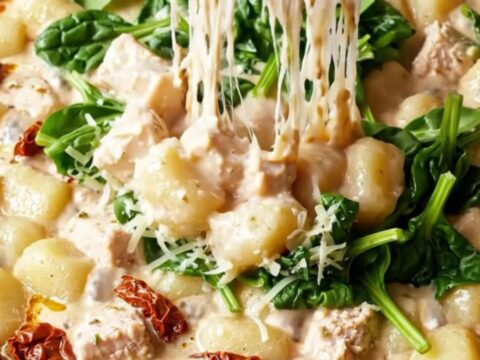
Creamy Tuscan Chicken Gnocchi Bake in 30 Minutes
See the recipe → →This recipe is based on a short cooking video and is published under the pen name Clara Weller. It was checked before publication, but errors can slip through. Nutrition, when shown, is an estimate. Read more in our editorial policy and on our food safety page.
More recipes to try
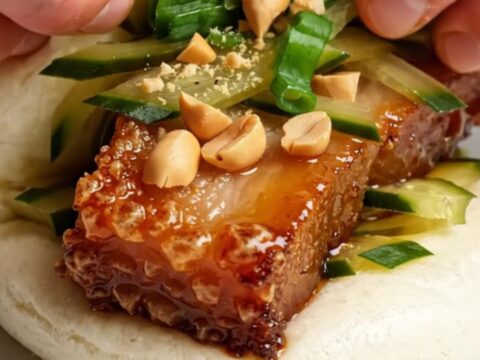
Crispy Pork Belly Bao Buns with Hoisin Glaze & Pickled Cucumbers
Total time: 1 h 40 min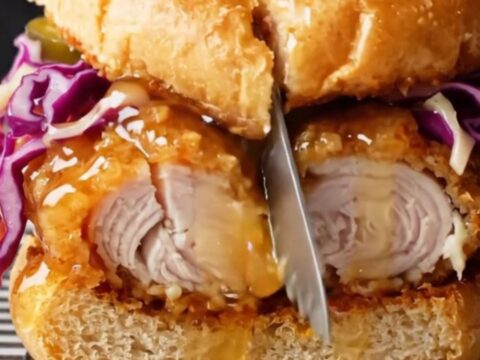
Honey Butter Fried Chicken Sandwich with Pickled Jalapeño Slaw
Total time: 40 min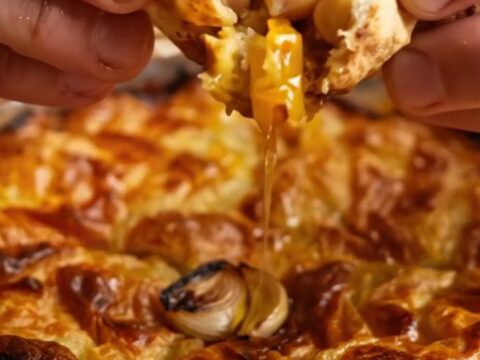
Urfa Baked Chickpea Tava with Warm Flatbread
Total time: 55 min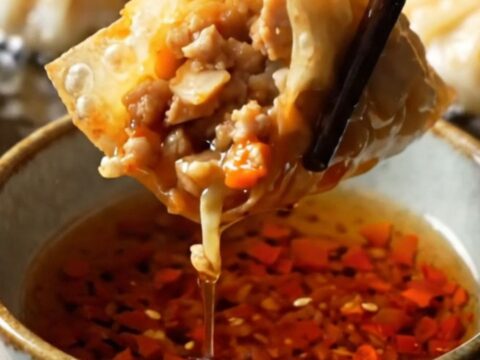
Crispy Rice Paper Dumplings with Chicken and Veggies
Total time: 36 min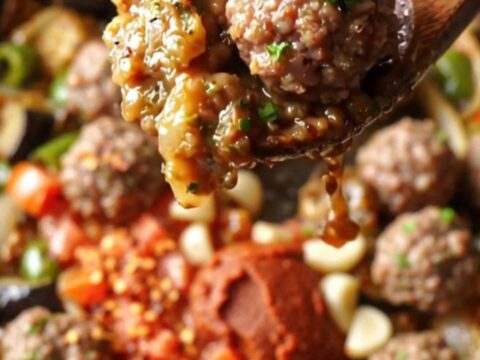
Golden Eggplant and Meatball Skillet
Total time: 30 min