Desserts · Part 3 of 3: Tips & recipe card
Crispy Turkish Mussel Baklava with Lemon Syrup Tips, FAQ & printable recipe
- Prep
- Cook
- Total
- Serves
- 12
Tips for success
For the best results, use a kitchen scale to measure the flour and pistachios accurately. When rolling the dough, work on a clean, lightly floured surface and keep the dough covered with a damp cloth to prevent it from drying out.
If the dough becomes too sticky, dust it with a little cornstarch. The cornstarch also helps create the distinct layers that make this baklava so crispy.
When shaping the pastries, pinch the edges firmly to ensure they stay closed during baking. You can also crimp the edges with a fork for a decorative touch and extra security.
The syrup should be poured evenly over the entire surface, making sure every pastry gets coated. Let the baklava rest for at least 30 minutes before serving to allow the syrup to penetrate and the texture to set.
Variations
- Walnut Baklava: Replace the pistachios with finely chopped walnuts for a more traditional flavor. Toast the walnuts lightly before using to deepen their nuttiness.
- Orange Syrup: Add the zest of one orange and replace the lemon juice with orange juice in the syrup for a citrusy twist. The orange pairs beautifully with the pistachios.
- Spiced Baklava: Add a teaspoon of ground cinnamon and a pinch of ground cloves to the pistachio filling for a warm, aromatic spice blend.
- Chocolate Drizzle: After the baklava has cooled, drizzle melted dark chocolate over the top. The chocolate sets into a crisp shell, adding a rich contrast to the lemon syrup.
Storage and make-ahead
- Fridge
- Store in an airtight container at room temperature for up to 3 days. Do not refrigerate, as it will soften the pastry.
- Freezer
- Freeze unbaked shaped pastries on a baking sheet, then transfer to a freezer bag for up to 3 months. Bake from frozen, adding 5 minutes to the baking time.
- Reheat
- Reheat leftover baklava in a 300°F (150°C) oven for 5-7 minutes to restore crispness.
Store leftover baklava in an airtight container at room temperature for up to 3 days. The pastries will remain crisp for the first day, then become slightly softer as they absorb more syrup.
If they lose their crunch, you can reheat them in a 300°F (150°C) oven for 5 minutes to restore some crispness. Avoid refrigerating, as this can make them soggy.
The dough can be prepared a day in advance and kept in the refrigerator, wrapped tightly in plastic wrap. Bring it to room temperature before rolling.
The syrup can also be made ahead and stored in the refrigerator for up to a week. The baked baklava can be made a day ahead and kept at room temperature; it will still be delicious, though slightly softer.
Serving ideas
Serve the baklava at room temperature, arranged on a platter with a dusting of powdered sugar or a few extra crushed pistachios, if desired. The contrast of the crisp pastry and the sweet, sticky syrup is best enjoyed within a few hours of baking. Pair with strong Turkish coffee or a cup of mint tea to balance the sweetness.
For a more indulgent presentation, add a dollop of clotted cream or a scoop of vanilla ice cream on the side. The cold creaminess complements the crunchy baklava beautifully. If serving at a gathering, place the baklava on a large tray and let guests help themselves—they'll be drawn to the golden, glossy pastries.
Frequently asked questions
Can this baklava be made ahead of time?
Why does the syrup make the baklava soggy?
Can this recipe be made without eggs?
What if the dough tears while rolling?
How should leftover baklava be stored?
Crispy Turkish Mussel Baklava with Lemon Syrup
Ingredients
- 3 cups all-purpose flour
- 1 cup milk
- 1/2 cup vegetable oil
- 1 large egg
- 1 tbsp white vinegar
- 1/2 tsp salt
- 1/2 cup cornstarch, for dusting
- 2 cups shelled pistachios, crushed
- 70 g unsalted butter, melted
- 2 cups granulated sugar
- 1 cup water
- 2 tbsp fresh lemon juice
Instructions
- In a large bowl, whisk together the flour, salt, milk, oil, egg, and vinegar. Knead on a floured surface for about 10 minutes until smooth and elastic. Cover with a damp cloth and let rest for 30 minutes. Divide the dough into 20 equal balls.
- Roll each ball into a thin circle, about 8 inches in diameter. Dust each layer generously with cornstarch and stack them on top of each other. Roll the stacked layers together into a large paper-thin sheet, about 20 inches wide. Then roll the sheet into a tight cylinder.
- Using a sharp knife, slice the cylinder into 1-inch-wide discs. Each disc will show concentric rings of dough. Flatten each disc slightly with your palm to form a round piece.
- Take each disc and roll it into an oval. Place a generous spoonful of crushed pistachios in the center. Fold the dough over the filling and pinch the edges firmly to create a half-moon shape. Repeat with all discs.
- Place the filled pastries in a lightly greased 9x13-inch baking dish, seam side down, in a single layer. Melt the butter and brush it generously over the tops of all the pastries, making sure to coat every surface.
- Preheat the oven to 350°F (180°C). Bake the baklava for 35–40 minutes, until the pastries are deep golden brown and the layers have visibly separated. The butter should be bubbling and the pastries should feel crisp to the touch.
- While the baklava bakes, combine the sugar, water, and lemon juice in a small saucepan. Bring to a boil, then reduce the heat and simmer for 10 minutes until slightly thickened. Remove from heat and let the syrup cool completely.
- Remove the baklava from the oven and immediately pour the cool syrup evenly over the hot pastries. The syrup will sizzle as it hits the hot pastry. Let the baklava absorb the syrup for at least 30 minutes before serving.
Estimated nutrition per serving
- Calories
- 420
- Protein
- 8 g
- Carbohydrates
- 45 g
- Fat
- 24 g
Next recipe
Melt-In-Mouth Tahini Walnut Cookies
See the recipe → →This recipe is based on a short cooking video and is published under the pen name Clara Weller. It was checked before publication, but errors can slip through. Nutrition, when shown, is an estimate. Read more in our editorial policy and on our food safety page.
More recipes to try
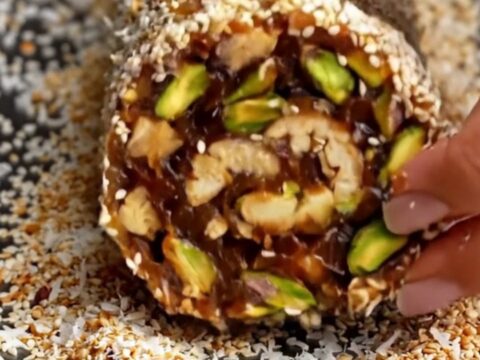
No-Bake Medjool Date and Nut Energy Roll
Total time: 1 h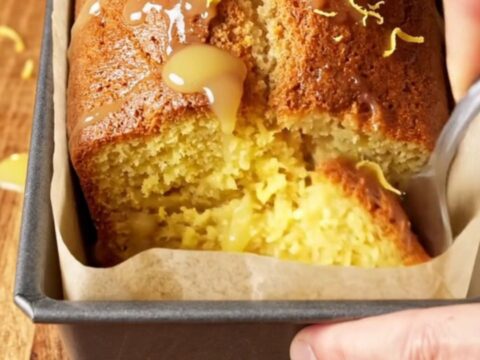
Whole Lemon Blender Loaf Cake with Tangy Glaze
Total time: 1 h 2 min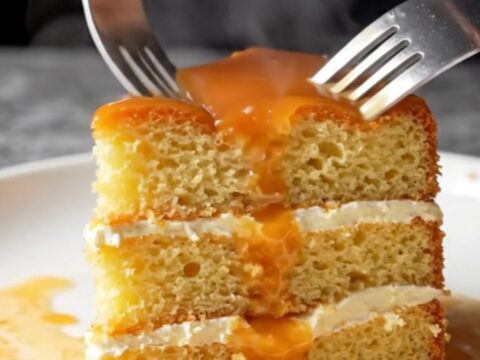
Golden Caramel Trileçe: A Rich, Creamy Milk Cake
Total time: 1 h 5 min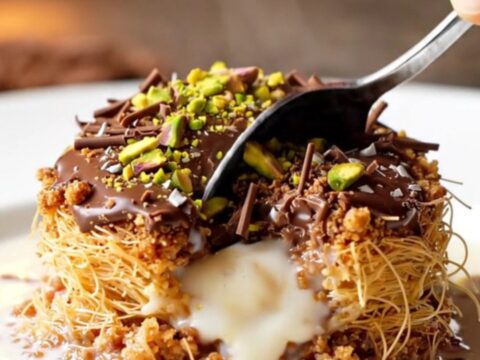
Crunchy Cold Chocolate Kadayıf with Pistachios
Total time: 2 h 50 min
Brown Butter Chocolate Chip Banana Bread
Total time: 1 h 30 min