Breakfast · Part 3 of 3: Tips & recipe card
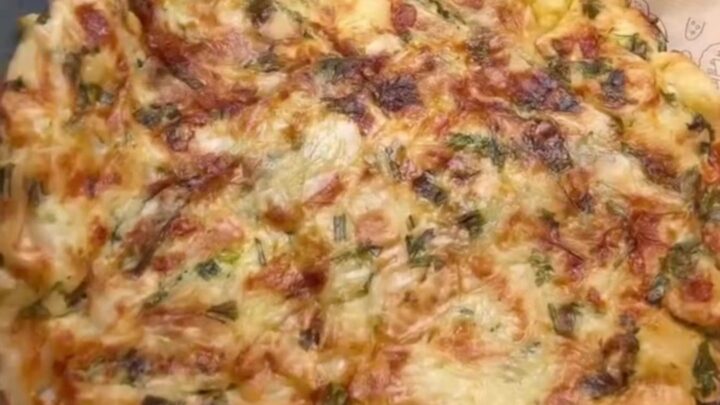
Crispy Skillet Börek with Feta and Herbs Tips, FAQ & printable recipe
- Prep
- Cook
- Total
- Serves
- 4
Tips for success
For an extra-crispy crust, you can brush the top with a little melted butter just before the final minutes of cooking. This adds flavor and helps the surface brown more deeply.
Another trick is to use a spatula to gently press the börek down as it cooks, ensuring even contact with the pan. This helps the layers crisp uniformly.
If you’re making this for a crowd, you can cook the börek ahead and reheat it in a 350°F (175°C) oven for 5 minutes to restore the crunch.
Or, serve it at room temperature — it’s still delicious, though the crust will soften slightly. The börek is best enjoyed within a few hours of cooking, but leftovers can be stored and reheated as described.
Variations
- Spinach and Feta: Add 1 cup of chopped spinach (squeezed dry) to the filling along with the feta and herbs. The spinach adds moisture and color, making the filling more substantial. You can also add a pinch of nutmeg for warmth.
- Meat Lover's: Brown 1/2 pound of ground beef or lamb with a little onion, and season with salt, pepper, and paprika. Let it cool slightly, then mix with the feta and herbs. This makes a heartier version that's perfect for dinner.
- Potato and Cheese: Mix 1 cup of mashed potatoes with the feta and herbs. The potatoes make the filling creamy and filling. Season with a little black pepper and a pinch of red pepper flakes for a subtle kick.
- Zucchini and Mint: Grate 1 small zucchini, squeeze out the excess water, and mix with the feta and fresh mint. This adds a fresh, summery flavor and a soft texture that contrasts with the crisp pastry.
Storage and make-ahead
- Fridge
- Store leftover börek in an airtight container in the refrigerator for up to 3 days. Reheat in a skillet or oven to restore the crisp crust.
- Freezer
- Freeze the fully cooked, cooled börek in a single layer for up to 1 month. Reheat in a 350°F (175°C) oven for 10 minutes.
- Reheat
- To reheat, place slices in a dry skillet over medium heat for 2-3 minutes per side, or in a 350°F (175°C) oven for 5-7 minutes.
Store leftover börek in an airtight container in the refrigerator for up to 3 days. The crust will soften, but reheating in a toaster oven or skillet will bring back some crispness.
To reheat, place slices in a dry skillet over medium heat for 2-3 minutes per side, or in a 350°F (175°C) oven for 5-7 minutes. Avoid microwaving, as it makes the pastry soggy.
You can assemble the börek up to 4 hours ahead and keep it in the refrigerator, covered, before cooking. If doing so, increase the first cooking time by 1-2 minutes to account for the cold pan.
The egg wash can also be prepared a day ahead. The börek is best cooked fresh, but the assembled, uncooked börek can be frozen for up to 1 month; thaw overnight in the refrigerator before cooking.
Serving ideas
Serve the börek warm, cut into wedges, with a side of hot tea or Turkish-style yogurt. It’s a satisfying breakfast or brunch dish, but also works as a light dinner with a simple salad. The crisp, buttery crust pairs well with a dollop of thick yogurt or a squeeze of lemon, if desired.
For a more substantial meal, serve with a bowl of tomato soup or a cucumber and tomato salad. The börek can also be cut into smaller pieces and served as an appetizer or snack. It’s best enjoyed the day it’s made, but any leftovers are still tasty at room temperature.
Frequently asked questions
What is yufka dough and where can it be found?
Can this börek be made gluten-free?
Why does the börek sometimes stick to the pan?
Can the filling be prepared in advance?
What is the best way to reheat leftover börek?
Crispy Skillet Börek with Feta and Herbs

Ingredients
- 2 sheets yufka dough (or thin phyllo)
- 1 large egg
- 1/2 cup milk
- 1/4 cup vegetable oil
- 1/2 tsp salt
- 1 cup crumbled feta cheese
- 1/4 cup chopped fresh parsley and dill
- 1 tbsp unsalted butter, for the pan
Instructions
- In a medium bowl, whisk together the egg, milk, vegetable oil, and salt until the mixture is smooth and lightly frothy. This will be the soaking liquid for the yufka, helping it turn golden and crisp as it cooks.
- Brush a 10-inch nonstick skillet with a little of the butter. Place one sheet of yufka in the skillet, letting the edges drape over the sides. The sheet should cover the bottom and hang over by about 2 inches all around.
- Sprinkle the crumbled feta and chopped herbs evenly over the yufka in the skillet, leaving a 1-inch border around the edge. Press the filling gently so it adheres to the dough.
- Place the second sheet of yufka over the filling, tucking the edges down around the filling. Press gently to seal the edges and remove any air pockets.
- Pour the egg wash evenly over the top yufka, using a pastry brush to spread it to the edges and down the sides. Let the wash soak in for 2 minutes so the dough becomes pliable.
- Fold the overhanging edges of the yufka inward over the filling, pleating as needed to create a neat round package. Press the folds gently to seal.
- Place the skillet over low heat and cook the börek for 8 minutes, until the bottom is deep golden brown and crisp. Use a spatula to peek underneath occasionally to check the color.
- Place a flat plate over the skillet and carefully invert the börek onto the plate. Slide the börek back into the skillet, cooked side up. Add the remaining butter to the pan.
- Continue cooking over low heat for another 8 minutes, until the second side is deep golden and crisp. Press gently with a spatula to ensure even browning.
- Transfer the börek to a cutting board and let it rest for 2 minutes. This helps the layers set and makes slicing easier without crumbling.
- Use a sharp serrated knife to slice the börek into wedges. Serve warm with hot tea, if desired.
Estimated nutrition per serving
- Calories
- 410
- Protein
- 12 g
- Carbohydrates
- 28 g
- Fat
- 28 g
Next recipe

Garlic Parmesan Hashbrowns: Crispy Skillet Cakes
See the recipe → →This recipe is based on a short cooking video and is published under the pen name Clara Weller. It was checked before publication, but errors can slip through. Nutrition, when shown, is an estimate. Read more in our editorial policy and on our food safety page.
More recipes to try

Crispy Turkish Tokat Katmeri: 50 Flaky Layers
Total time: 1 h 5 min
White Chocolate Strawberry Bakery Muffins with Crisp Sugar Tops
Total time: 33 min
Blistered Sourdough Boule with Crackling Crust
Total time: 3 h 5 min
Crispy Garlic Parmesan Hashbrowns
Total time: 38 min
Quick Homemade Croissants in Under an Hour
Total time: 1 h