Dinner · Part 2 of 3: Instructions
Crispy Skillet Arctic Char with Garlic Dill Butter Step-by-step instructions
- Prep
- Cook
- Total
- Serves
- 2
Before you start
Before you start, take the Arctic Char out of the refrigerator and let it sit at room temperature for 15-20 minutes — this helps it cook more evenly. Pat the fillets dry with paper towels, then score the skin in a crosshatch pattern with a sharp knife.
Grate the Parmigiano-Reggiano on a box grater and set aside. Chop the fresh dill and mince the garlic. Have all your ingredients measured and within reach, because the cooking moves quickly once the pan is hot.
Ingredients at a glance (8)
- 2 Arctic Char fillets (6 oz each), skin on
- 1 tsp kosher salt
- 1/2 tsp freshly ground black pepper
- 1/4 cup grated Parmigiano-Reggiano cheese
- 2 tbsp fresh dill, chopped
- 3 cloves garlic, minced
- 3 tbsp unsalted butter
- 1 cup cherry tomatoes
Instructions
Prep and Sear
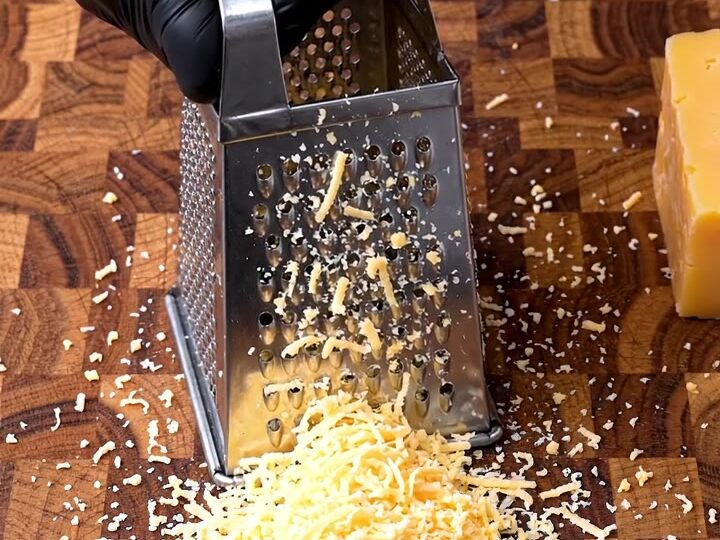
- Prep the fish and aromaticsPat the Arctic Char fillets dry with paper towels. Using a sharp knife, score the skin in a crosshatch pattern, cutting just through the skin and into the fat, not the flesh. Season both sides with kosher salt and black pepper. Grate the Parmigiano-Reggiano on the fine side of a box grater to make a fine pile of Parmesan snow. Chop the fresh dill and mince the garlic.Look for The skin is scored in a neat diamond pattern and the cheese is finely grated, like snow.Tip Scoring lets the fat render and the skin crisp evenly without curling.
- Heat the skilletPlace a cast iron skillet over medium-high heat and let it get hot — about 2 minutes. Add a splash of neutral oil (or use a little of the butter) and swirl to coat the bottom. The skillet should be hot enough that a drop of water sizzles instantly, but not smoking.Look for A drop of water flicked into the pan sizzles and evaporates immediately.Tip A properly preheated skillet is the secret to crisp skin that doesn't stick.
The fish is scored and seasoned, the cheese is grated into a fine snow, and the garlic and dill are ready. The skillet is hot, and the fillets are searing skin-side down.
The skin should be turning golden and crisp, and you'll smell the fish cooking. The fillets should release easily from the pan when they're ready to flip.
Flip and Baste
- Sear the fish skin-side downLay the fillets skin-side down in the hot skillet, pressing gently with a spatula for 5 seconds to keep them flat. Cook undisturbed for 4-5 minutes, until the skin is deep golden and shatteringly crisp. The flesh will turn opaque from the bottom up, but the top will still look translucent. Do not move the fillets during this time.Look for The skin is bronzed and crisp, and the fillet releases easily from the pan.Safe temperature 145°F (63°C) internal temperature (fish)Tip Resist the urge to peek or move the fish — let the skin develop a crust.
- Flip and add tomatoesCarefully flip the fillets with a fish spatula. Add the cherry tomatoes to the skillet around the fish. Cook for 2 minutes, letting the tomatoes blister and soften in the rendered fat. The fish will finish cooking on the flesh side, reaching an internal temperature of 145°F (63°C) when done.Look for The tomatoes are blistered and starting to burst, and the fish is nearly opaque throughout.Safe temperature 145°F (63°C) internal temperature (fish)Tip Keep the heat at medium-high so the tomatoes blister quickly without turning mushy.
The fish is flipped and the tomatoes are blistering in the pan. The butter is foaming with garlic and dill, and you're basting the fish continuously. The kitchen smells of garlic and herbs, and the butter is a light golden color. The fish is nearly opaque and the tomatoes are soft and bursting.
Finish and Serve
- Make the garlic dill butterReduce the heat to medium-low. Add the butter, minced garlic, and half of the chopped dill to the skillet. Tilt the pan slightly so the butter pools, and use a spoon to baste the fish continuously for 1-2 minutes. The butter will foam and turn lightly golden, infusing the fish with garlic and dill.Look for The butter is foaming and fragrant, and the garlic is soft and golden, not burned.Tip Keep the butter moving with the spoon to prevent the garlic from scorching.
- Finish with Parmesan snow and dillSprinkle the grated Parmigiano-Reggiano over the fish and tomatoes. Add the remaining fresh dill. Spoon the blistered tomato and garlic butter sauce over the top of each fillet. The cheese will melt into the butter, creating a rich, savory glaze. Serve immediately, spooning extra sauce from the pan over each portion.Look for The cheese is melted and the sauce is glossy, with flecks of dill and tomato.Tip Add the cheese just before serving so it melts but doesn't separate.
The Parmigiano-Reggiano is sprinkled over the fish and tomatoes, and the remaining dill is added. The sauce is glossy and the cheese is melted. The fish is cooked through to 145°F (63°C), the skin is crisp, and the whole dish is glistening with butter. Serve immediately, spooning extra sauce from the pan over each portion.
Common mistakes
The most common mistake is not getting the pan hot enough before adding the fish. If the pan isn't screaming hot, the skin will stick and won't crisp. Another mistake is moving the fish too soon — let it cook undisturbed until the skin releases easily.
Overcooking is also a risk; keep an eye on the thickness and use a thermometer to pull it at 145°F (63°C). Finally, don't crowd the pan — if you're cooking more than two fillets, do it in batches so the pan stays hot.
How to tell it’s done
The Arctic Char is done when the flesh is opaque and flakes easily with a fork, and the internal temperature reaches 145°F (63°C) when measured with an instant-read thermometer inserted into the thickest part of the fillet.
The skin should be deep golden and shatteringly crisp, and the flesh should be moist and tender, not dry. If you don't have a thermometer, look for the fish to turn from translucent to opaque all the way through, and the flakes to separate easily when gently pressed.
- Fish: 145°F (63°C) in the thickest part
Up next · Part 3 of 3
4 variations · storage & make-ahead · 5 answers · printable card
Tips, FAQ & printable recipe (Part 3)← Back to the ingredients (Part 1)