Appetizers · Part 3 of 3: Tips & recipe card
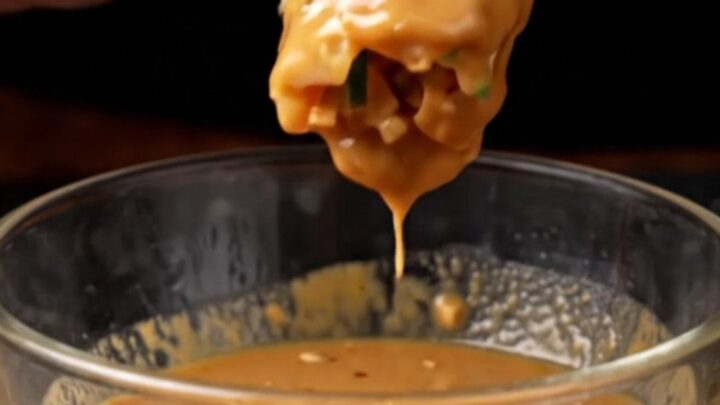
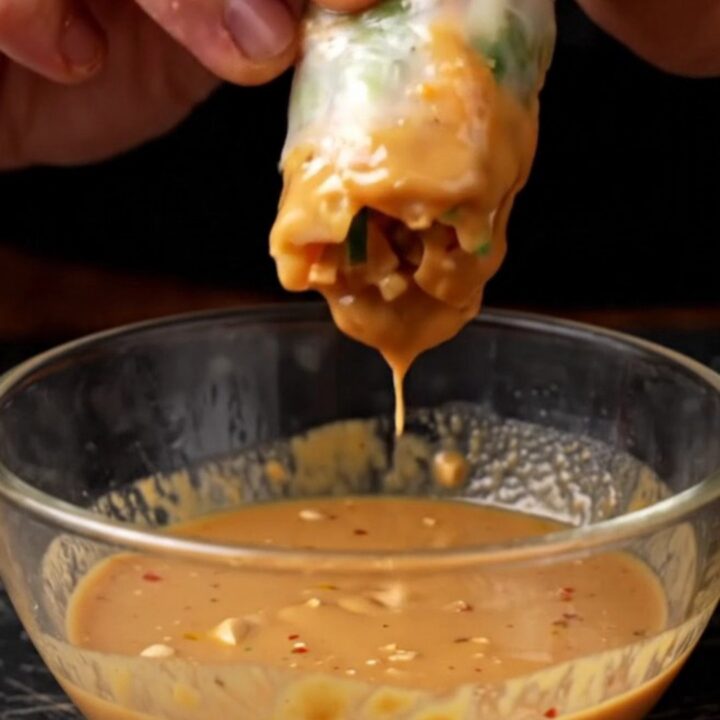
Crispy Rice Paper Spring Rolls with Spicy Peanut Dip Tips, FAQ & printable recipe
- Prep
- Cook
- Total
- Serves
- 4
Tips for success
To keep the rice paper from sticking to the cutting board, keep the board lightly dampened with water. If the paper becomes too dry, it will crack; if it is too wet, it will tear.
The ideal texture is like a soft, pliable fabric. Work with one sheet at a time, and cover the finished rolls with a damp towel to keep them moist.
For a more flavorful dip, add a pinch of red pepper flakes or a drizzle of sriracha. If the dip is too thick, add warm water a teaspoon at a time until it reaches the desired consistency.
For a smoother texture, blend the dip in a small food processor. The dip can also be used as a dressing for rice noodle salads or as a sauce for grilled meats.
Variations
- Chicken Version: Replace the cooked shrimp with shredded cooked chicken. Use the same amount, and season the chicken lightly with salt and pepper before rolling. The rest of the recipe stays the same.
- Vegetarian Rolls: Omit the shrimp or chicken and add extra vegetables, such as thinly sliced bell peppers, avocado, or bean sprouts. Include fresh herbs like Thai basil for a different flavor.
- Spicy Mango Dip: Add 2 tablespoons of finely chopped mango and a pinch of red pepper flakes to the peanut dip. This adds a sweet, fruity note and extra heat.
- Rice Noodle Rolls: Add 1/2 cup of cooked, cooled rice vermicelli noodles to the filling for a more substantial roll. Toss the noodles with a little soy sauce or lime juice before adding.
Storage and make-ahead
- Fridge
- Store leftover rolls in an airtight container with a damp paper towel for up to 1 day. Keep the dip separately in the refrigerator for up to 3 days.
- Freezer
- Freezing is not recommended as the rice paper and vegetables will become watery and lose their crisp texture.
- Reheat
- These rolls are best served fresh and are not reheated.
Store leftover spring rolls in an airtight container in the refrigerator for up to 1 day. Place a damp paper towel over the rolls before sealing to keep them from drying out.
The peanut dip can be stored separately in a jar in the refrigerator for up to 3 days. When ready to serve, bring the dip to room temperature and whisk in a little water if it has thickened.
The peanut dip can be made up to 3 days in advance and stored in the refrigerator. The vegetables can be prepped a day ahead and kept in separate containers in the fridge.
The rolls are best assembled just before serving, as they tend to dry out and become chewy after a few hours. If preparing for a party, assemble the rolls no more than 2 hours ahead and keep them covered with a damp towel.
Serving ideas
Serve the spring rolls as an appetizer on a large platter, cut side up, with a bowl of peanut dip in the center. Garnish with extra crushed peanuts and a few whole mint leaves for color. These rolls are perfect for sharing — guests can pick them up with their hands and dunk them into the sauce.
For a light lunch, serve 3 to 4 rolls per person with a side of fresh greens or a simple cucumber salad. The rolls are also great for packed lunches, though they are best consumed within a few hours of assembly. If serving at a party, arrange them on a platter with the dip in a small bowl and let everyone help themselves.
Frequently asked questions
Can the spring rolls be made ahead of time?
Why do the rice paper sheets tear?
Can the peanut dip be made less spicy?
What can be used instead of rice paper?
How should leftovers be stored?
Crispy Rice Paper Spring Rolls with Spicy Peanut Dip
Ingredients
- 10 sheets Vietnamese rice paper
- 200 g (7 oz) cooked shredded shrimp or chicken
- 1 cup shredded purple cabbage
- 1 cup julienned carrots
- 1 cup cucumber ribbons
- fresh mint leaves, to taste
- fresh cilantro leaves, to taste
- 1/3 cup creamy peanut butter
- 2 tbsp hoisin sauce
- 1 tbsp lime juice
- 1 tbsp soy sauce
- 2-3 tbsp warm water, as needed
- 2 tbsp crushed peanuts, for garnish
Instructions
- In a small bowl, whisk together the peanut butter, hoisin sauce, lime juice, and soy sauce. Add warm water, 1 tablespoon at a time, whisking until the sauce is smooth and thick but pourable. Set aside. Prepare the vegetables: shred the purple cabbage, julienne the carrots, and use a vegetable peeler to make cucumber ribbons. Pick the mint and cilantro leaves from their stems. If using shrimp, ensure they are cooked and shredded or chopped into bite-size pieces.
- Fill a large shallow dish with lukewarm water. Dip one sheet of rice paper into the water for about 4 seconds, until it becomes pliable but still slightly firm. Lay it flat on a damp cutting board. The rice paper will continue to soften as it sits.
- Arrange a few pieces of shrimp, a small handful of purple cabbage, carrots, cucumber ribbons, and a few mint and cilantro leaves across the bottom third of the rice paper, leaving a 1-inch border on the sides. Do not overfill — about 2 to 3 tablespoons of filling per roll is ideal.
- Fold the bottom edge of the rice paper up and over the filling, tucking it snugly. Fold in the left and right sides toward the center, then continue rolling forward into a firm cylinder. Press gently to seal. Repeat with the remaining sheets and filling.
- Using a sharp chef's knife, slice each roll in half crosswise on a slight diagonal. This exposes the colorful filling and makes the rolls easier to pick up. Arrange the halves on a serving platter, cut side up.
- Sprinkle the crushed peanuts over the sliced rolls or over the peanut dip. Serve immediately with the spicy peanut sauce on the side for dipping. The rolls are best enjoyed fresh, while the rice paper is still tender and the vegetables are crisp.
- Dunk each roll deeply into the peanut sauce and take a bite. The combination of cool, crisp vegetables, tender shrimp, and the rich, spicy-sweet sauce is the payoff. The rolls should be eaten within an hour of assembling for the best texture.
Estimated nutrition per serving
- Calories
- 280
- Protein
- 15 g
- Carbohydrates
- 30 g
- Fat
- 12 g
Next recipe

Crispy Rice Paper Egg Rolls with Sweet Plum Dip
See the recipe → →This recipe is based on a short cooking video and is published under the pen name Clara Weller. It was checked before publication, but errors can slip through. Nutrition, when shown, is an estimate. Read more in our editorial policy and on our food safety page.
More recipes to try
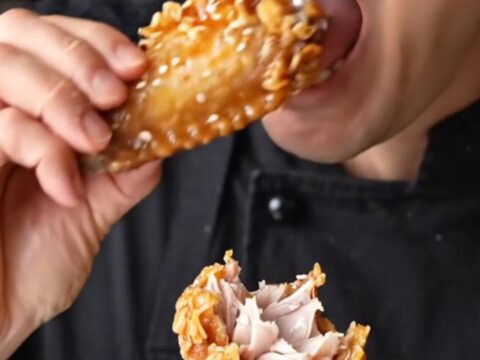
Crispy Air-Fried Sticky Garlic Wings with Toasted Sesame
Total time: 40 min
Giant Stuffed Buffalo Chicken Meatball Sliders
Total time: 40 min
Crispy Air-Fried Parmesan Polenta Fries with Marinara
Total time: 28 min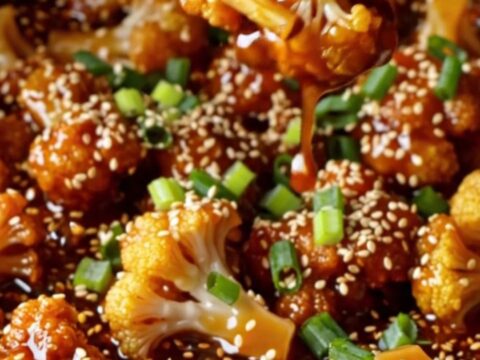
Crispy Air-Fried Sticky Sesame Cauliflower Bites
Total time: 32 min
Crispy Accordion Zucchini Fries with Herb Parmesan Dipping Sauce
Total time: 29 min