Appetizers · Part 2 of 3: Instructions
Crispy Rice Paper Spring Rolls with Spicy Peanut Dip Step-by-step instructions
- Prep
- Cook
- Total
- Serves
- 4
Before you start
Before starting, make sure all the filling ingredients are prepped and ready: cook the shrimp or chicken, shred the cabbage, julienne the carrots, and make cucumber ribbons. Pick the mint and cilantro leaves.
Whisk the peanut dip in a small bowl and set it aside. Fill a large shallow dish with lukewarm water and have a damp cutting board ready. Work in a clean, organized space — once you start dipping the rice paper, the process moves quickly.
Ingredients at a glance (13)
- 10 sheets Vietnamese rice paper
- 200 g (7 oz) cooked shredded shrimp or chicken
- 1 cup shredded purple cabbage
- 1 cup julienned carrots
- 1 cup cucumber ribbons
- fresh mint leaves, to taste
- fresh cilantro leaves, to taste
- 1/3 cup creamy peanut butter
- 2 tbsp hoisin sauce
- 1 tbsp lime juice
- 1 tbsp soy sauce
- 2-3 tbsp warm water, as needed
- 2 tbsp crushed peanuts, for garnish
Instructions
Prep and Fill
- Prepare the Filling and DipIn a small bowl, whisk together the peanut butter, hoisin sauce, lime juice, and soy sauce. Add warm water, 1 tablespoon at a time, whisking until the sauce is smooth and thick but pourable. Set aside. Prepare the vegetables: shred the purple cabbage, julienne the carrots, and use a vegetable peeler to make cucumber ribbons. Pick the mint and cilantro leaves from their stems. If using shrimp, ensure they are cooked and shredded or chopped into bite-size pieces.Look for The dip should be glossy and coat the back of a spoon; the vegetables are crisp and dry.Tip Pat the vegetables dry after washing to prevent the rice paper from tearing.
- Soften the Rice PaperFill a large shallow dish with lukewarm water. Dip one sheet of rice paper into the water for about 4 seconds, until it becomes pliable but still slightly firm. Lay it flat on a damp cutting board. The rice paper will continue to soften as it sits.Look for The sheet should be flexible but not soggy; it should not stick to itself.Tip Work with one sheet at a time to keep the others from over-soaking.
- Layer the FillingArrange a few pieces of shrimp, a small handful of purple cabbage, carrots, cucumber ribbons, and a few mint and cilantro leaves across the bottom third of the rice paper, leaving a 1-inch border on the sides. Do not overfill — about 2 to 3 tablespoons of filling per roll is ideal.Look for The filling should be evenly distributed, with a little space at the edges.Tip Keep the filling in a neat line to make rolling easier.
- Roll the Spring RollsFold the bottom edge of the rice paper up and over the filling, tucking it snugly. Fold in the left and right sides toward the center, then continue rolling forward into a firm cylinder. Press gently to seal. Repeat with the remaining sheets and filling.Look for The roll should be tight and translucent, with no large air pockets.Tip If the rice paper tears, it is too wet; use a fresh sheet and less soaking time.
The dip is smooth and glossy, the vegetables are crisp and dry, and the rice paper is pliable but not soggy.
Each sheet is laid flat on a damp board, filled with a neat line of shrimp, cabbage, carrots, cucumber, and herbs, then rolled into a firm cylinder. The rolls look bright and colorful through the translucent paper.
Slice and Serve
- Slice the RollsUsing a sharp chef's knife, slice each roll in half crosswise on a slight diagonal. This exposes the colorful filling and makes the rolls easier to pick up. Arrange the halves on a serving platter, cut side up.Look for The cut surface shows bright shrimp, purple cabbage, and green herbs.Tip Use a gentle sawing motion to avoid squashing the rolls.
- Garnish and ServeSprinkle the crushed peanuts over the sliced rolls or over the peanut dip. Serve immediately with the spicy peanut sauce on the side for dipping. The rolls are best enjoyed fresh, while the rice paper is still tender and the vegetables are crisp.Look for The rolls look fresh and vibrant, with the peanuts adding a crunchy contrast.Tip Serve the dip in a small bowl for easy dunking.
The rolls are sliced on a diagonal, revealing a beautiful cross-section of pink shrimp, purple cabbage, and green herbs. The peanut dip is garnished with crushed peanuts. The platter looks fresh and inviting, with the rolls arranged cut side up for easy picking.
Dunk and Enjoy
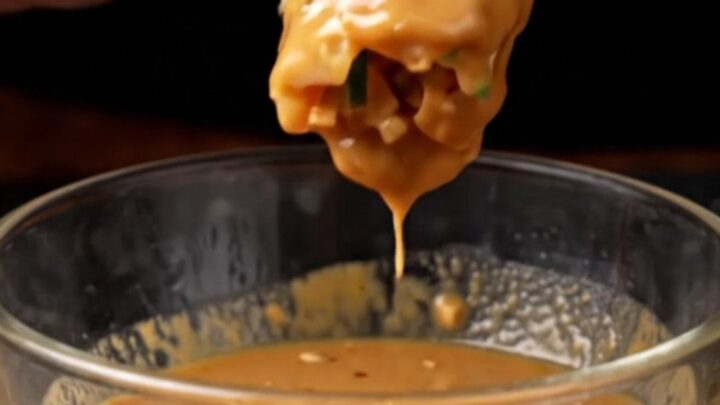
- Enjoy the CrunchDunk each roll deeply into the peanut sauce and take a bite. The combination of cool, crisp vegetables, tender shrimp, and the rich, spicy-sweet sauce is the payoff. The rolls should be eaten within an hour of assembling for the best texture.Look for The bite is crunchy, fresh, and full of contrasting flavors.Tip If the rolls sit too long, the rice paper may dry out; keep them covered with a damp towel.
Each roll is dunked deep into the peanut sauce, picking up a generous coating. The first bite is crunchy, cool, and full of contrasting flavors — sweet, salty, nutty, and tangy. The rolls are best eaten within an hour, while the rice paper is still tender and the vegetables are at their crispiest.
Common mistakes
The most common mistake is over-soaking the rice paper, which makes it too sticky and prone to tearing. Follow the 4-second rule and work quickly. Another pitfall is overfilling the rolls — stick to a modest amount of filling so the paper can wrap around it without stretching too thin.
If the rolls are not rolled tightly, they will fall apart when sliced. Finally, do not skip the damp cutting board; it prevents the rice paper from sticking and tearing.
How to tell it’s done
The spring rolls are done when they are tightly rolled, translucent, and the filling is visible through the rice paper. The rolls should feel firm to the touch, not soggy, and the edges should be sealed.
When sliced, the cut surface should show a colorful cross-section of shrimp, purple cabbage, carrots, cucumber, and herbs. The peanut dip should be thick enough to coat the back of a spoon but still pourable. If the dip is too thick, whisk in a little more warm water.
Up next · Part 3 of 3
4 variations · storage & make-ahead · 5 answers · printable card
Tips, FAQ & printable recipe (Part 3)← Back to the ingredients (Part 1)