Desserts · Part 3 of 3: Tips & recipe card
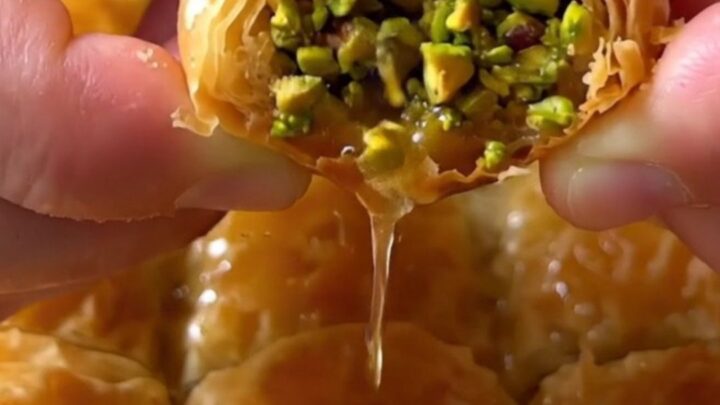
Crispy Pistachio Rolled Baklava Fingers with Lemon Syrup Tips, FAQ & printable recipe
- Prep
- Cook
- Total
- Serves
- 8
Tips for success
For the best texture, serve the baklava at room temperature. If you refrigerate it, the pastry may soften; bring it back to room temperature and, if needed, reheat in a 300°F (150°C) oven for 5-10 minutes to re-crisp.
When cutting the rolls, use a very sharp knife and a gentle sawing motion to avoid crushing the delicate layers. If the phyllo tears during rolling, patch it with a bit of butter—no one will notice after baking.
The syrup quantity is just right for this amount of baklava; if you prefer a less sweet dessert, reduce the sugar slightly, but keep the water and lemon proportions.
Always pour the syrup evenly, and use a ladle to reach every corner of the pan. After pouring, let the baklava rest for at least 30 minutes—this allows the syrup to distribute and the pastry to achieve that perfect crunch.
Variations
- Chocolate Pistachio: Add 1/2 cup finely chopped dark chocolate to the pistachio filling before rolling. The chocolate melts during baking, creating a rich, gooey layer. Drizzle extra melted chocolate over the finished baklava for extra decadence.
- Rose Water Syrup: Add 1 teaspoon of rose water to the syrup along with the lemon juice. The floral note pairs beautifully with pistachios. Omit the lemon if you prefer a purely sweet syrup, but keep a splash of lemon juice to prevent crystallization.
- Walnut Filling: Replace the pistachios with an equal amount of finely ground walnuts. Toast the walnuts lightly before grinding to enhance their flavor. The texture will be slightly less vibrant in color but equally delicious.
- Spiced Syrup: Add a cinnamon stick and a few cloves to the syrup while simmering. Remove before pouring. The warm spices complement the nuts and add a festive aroma. This variation is especially nice during the holidays.
Storage and make-ahead
- Fridge
- Store in an airtight container at room temperature; do not refrigerate, as it will soften the crisp layers.
- Freezer
- Freeze baked, syrup-soaked baklava in an airtight container for up to 3 months. Thaw at room temperature and reheat in a 300°F oven for 5 minutes to re-crisp.
- Reheat
- Reheat leftover baklava in a 300°F (150°C) oven for 5-10 minutes to restore crispness.
Store leftover baklava in an airtight container at room temperature for up to 5 days. The pastry will maintain its crispness if kept sealed. Avoid refrigerating, as moisture can make it soggy. If it does soften, reheat in a low oven to restore crunch.
The syrup can be made up to 3 days ahead and stored in the refrigerator. The assembled, unbaked baklava can be refrigerated for up to 24 hours before baking; cover tightly with plastic wrap. Bake and soak with syrup just before serving for the freshest result.
Serving ideas
Serve these pistachio baklava fingers as a stunning dessert on a platter, garnished with a few extra ground pistachios and maybe a dusting of confectioners’ sugar if you like.
They pair beautifully with Turkish tea or strong coffee. Each finger is a perfect two-bite treat, making them ideal for parties and gatherings.
For a more indulgent presentation, drizzle with a little extra syrup or honey, and serve alongside a scoop of vanilla ice cream or a dollop of clotted cream.
The contrast of warm, crisp baklava with cold, creamy accompaniment is divine. However, they are equally delicious on their own, letting the pistachio and butter shine.
Frequently asked questions
Why does the syrup need to be cold?
Can this recipe be made gluten-free?
How do you keep the phyllo from tearing?
Can you use regular butter instead of clarified butter?
How long will the baklava stay crisp?
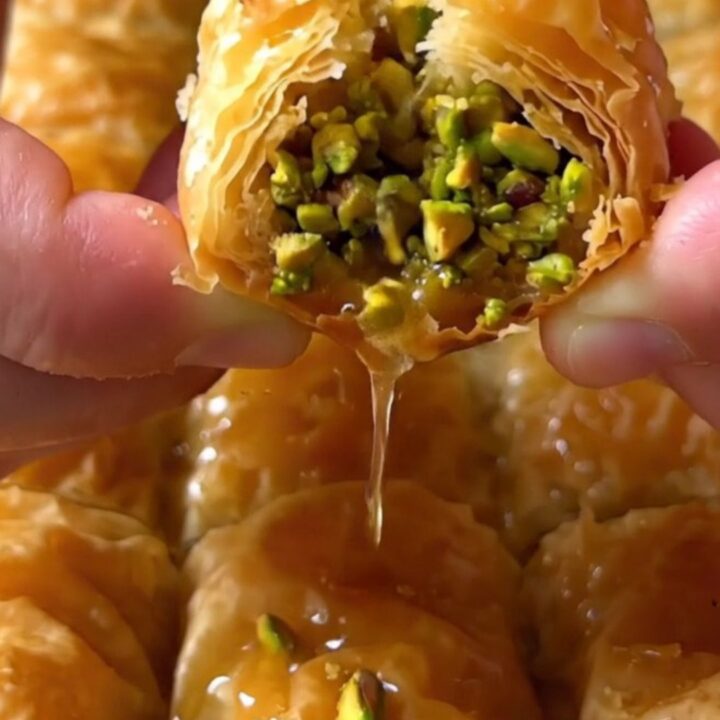
Crispy Pistachio Rolled Baklava Fingers with Lemon Syrup
Ingredients
- 20 sheets paper-thin baklava phyllo dough
- 1 cup clarified butter (sade yağ), melted
- 200 g ground pistachios (preferably Antep)
- 1 cup water
- 1 cup granulated sugar
- 1 tbsp fresh lemon juice
Instructions
- In a small saucepan, combine the water and sugar. Bring to a boil over medium heat, stirring until the sugar dissolves. Reduce the heat and simmer for 5 minutes. Remove from the heat and stir in the lemon juice. Let the syrup cool completely while you prepare the baklava.
- Lay one sheet of phyllo on a clean work surface. Keep the remaining sheets covered with a damp towel to prevent drying. Brush the entire sheet with melted clarified butter, using a pastry brush to coat evenly.
- Sprinkle a generous, dense layer of ground pistachios over the buttered phyllo, covering the entire surface. Press the pistachios gently so they adhere to the butter.
- Place a thin wooden rod along one edge of the phyllo and roll the dough tightly around the rod to form a long cylinder. Gently push both ends of the cylinder toward the center to create accordion crinkles. Slide the crinkled roll off the rod and place it in a buttered baking pan.
- Using a sharp knife, slice the rolled cylinders into 3-inch (7.5 cm) fingers. Arrange the fingers in a single layer in the buttered baking pan, cut-side up.
- Pour the remaining melted clarified butter over the sliced baklava fingers, making sure each piece is well coated. Bake in a preheated oven at 340°F (170°C) for 40 minutes, until the pastry is golden amber and crackling.
- Remove the baklava from the oven and immediately ladle the cooled lemon syrup over the hot pastry. The sizzle you hear is the sound of perfection. Let the baklava absorb the syrup for at least 30 minutes before serving.
- Once the baklava has absorbed the syrup and cooled slightly, transfer to a serving platter. Optionally, garnish with a few extra ground pistachios. Serve at room temperature for the best crunch.
Estimated nutrition per serving
- Calories
- 420
- Protein
- 7 g
- Carbohydrates
- 38 g
- Fat
- 28 g
Next recipe
One-Pan Campfire S'mores Skillet Blondie with Toasted Marshmallows
See the recipe → →This recipe is based on a short cooking video and is published under the pen name Clara Weller. It was checked before publication, but errors can slip through. Nutrition, when shown, is an estimate. Read more in our editorial policy and on our food safety page.
More recipes to try
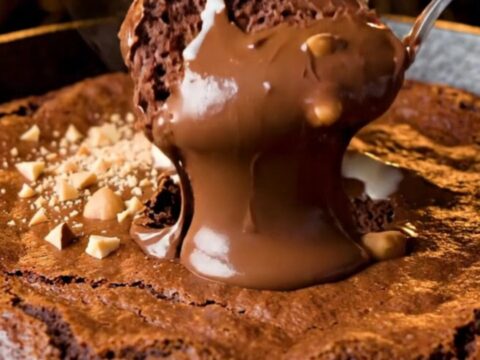
Molten Nutella Skillet Lava Brownie with Crackly Top
Total time: 30 min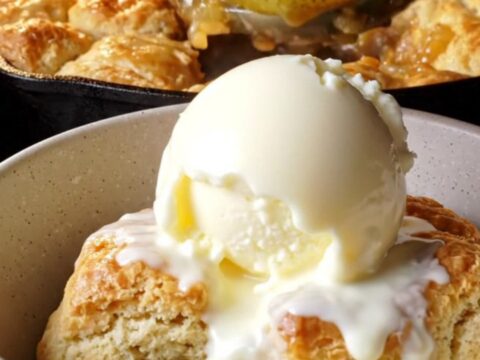
Skillet Cinnamon Pear Cobbler with Flaky Buttermilk Biscuit Crust
Total time: 55 min
Giant S'mores Skillet Cookie with Toasted Marshmallow Fluff
Total time: 30 min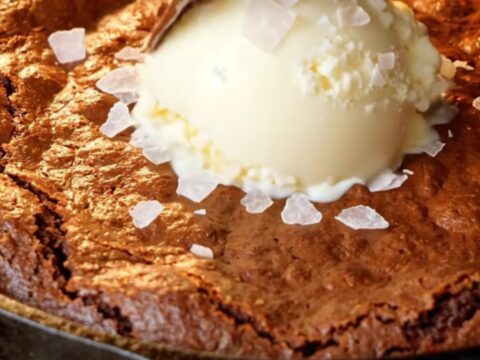
Double Chocolate Skillet Brownie with Molten Fudge Center
Total time: 35 min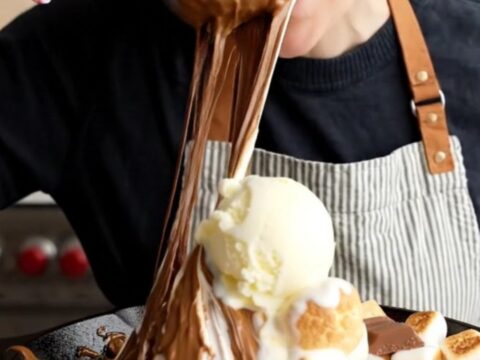
Brown Butter S'mores Skillet Blondie with Graham Crust
Total time: 35 min