Desserts · Part 3 of 3: Tips & recipe card
Crisp Passionfruit Pavlova with Marshmallow Center Tips, FAQ & printable recipe

- Prep
- Cook
- Total
- Serves
- 8
Tips for success
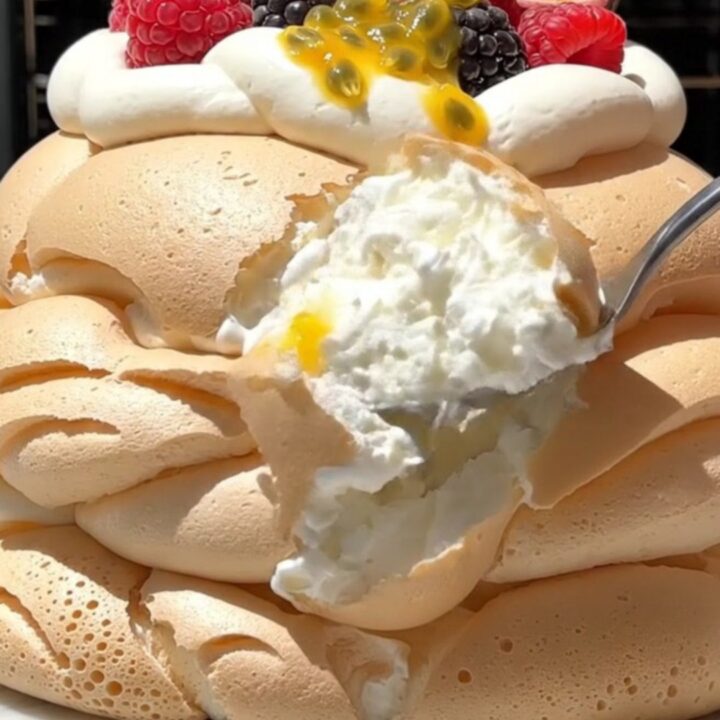
For the best texture, use superfine sugar and beat the egg whites until they are glossy and hold stiff peaks. The vinegar and cornstarch are key to the marshmallow center—don't skip them.
When shaping the pavlova, build the sides higher than the center to create a natural well for the topping. Use a spatula to make swoops and peaks for a beautiful presentation. Bake on the middle rack and avoid opening the oven door during baking or cooling.
To ensure the meringue doesn't stick, use a high-quality parchment paper. If you live in a humid climate, consider baking the pavlova on a dry day—humidity can make the meringue sticky.
Store the baked pavlova (without topping) in an airtight container at room temperature for up to 2 days, but it's best the day it's made. When whipping the cream, chill the bowl and beaters beforehand for fluffier results.
Variations
- Lemon Curd: Replace passionfruit pulp with 1/2 cup lemon curd, and add a few lemon zest curls on top. The tartness of lemon pairs beautifully with the sweet meringue.
- Chocolate: Fold 2 tablespoons cocoa powder into the meringue before shaping, and top with chocolate shavings and fresh raspberries instead of passionfruit.
- Tropical: Use diced mango, kiwi, and pineapple instead of berries, and drizzle with passionfruit pulp. This version is vibrant and refreshing.
- Berry Compote: Instead of fresh berries, use a warm berry compote made by simmering mixed berries with a little sugar and lemon juice. Spoon over the cream just before serving.
Storage and make-ahead
- Fridge
- Store leftover assembled pavlova in the refrigerator for up to 1 day. The meringue will soften, but the flavors remain delicious.
- Freezer
- The baked pavlova shell can be frozen for up to 1 month. Wrap tightly in plastic wrap and then foil. Thaw at room temperature for 1 hour before topping.
- Reheat
- If the pavlova has softened, reheat in a 250°F (120°C) oven for 10-15 minutes to crisp it up slightly. Then cool completely before topping.
Store the baked pavlova (without topping) in an airtight container at room temperature for up to 2 days. Once topped, the pavlova is best enjoyed immediately, as the cream will soften the meringue over time. If you have leftovers, refrigerate them for up to 1 day, but expect the meringue to lose some crispness.
The pavlova shell can be baked up to 2 days ahead and stored in an airtight container at room temperature. The mascarpone cream can be whipped a few hours ahead and refrigerated. Assemble the pavlova just before serving to keep the meringue crisp.
Serving ideas
Serve the pavlova as the grand finale to a summer dinner party or festive celebration. The crisp shell, marshmallow center, and creamy topping make it a memorable dessert.
Cut with a sharp knife, using a gentle sawing motion to avoid crushing the meringue. Pair with a glass of sparkling wine or a light dessert wine.
For individual portions, use a serrated knife and serve each slice with extra passionfruit pulp and berries.
The pavlova is also lovely with a dusting of confectioners' sugar or a few mint leaves for color. If you prefer a less sweet dessert, reduce the sugar in the topping or use unsweetened whipped cream.
Frequently asked questions
Why does the pavlova crack?
Can the pavlova be made ahead?
What is the secret to a marshmallow center?
Can this recipe be made without superfine sugar?
Why did the meringue weep or become sticky?
Crisp Passionfruit Pavlova with Marshmallow Center
Ingredients
- 6 large egg whites, room temperature
- 300 g superfine sugar
- 10 g cornstarch
- 5 ml white vinegar
- 300 ml heavy cream
- 1/2 cup mascarpone cheese
- 2 cups mixed fresh berries (such as strawberries, blueberries, raspberries)
- 1/2 cup fresh passionfruit pulp (from about 4 passionfruits)
Instructions
- Heat the oven to 250°F (120°C). Line a baking sheet with parchment paper. In a large bowl, beat the egg whites with an electric mixer on medium speed until soft peaks form. Gradually add the superfine sugar, about 1 tablespoon at a time, beating well after each addition. Continue beating until the meringue is glossy and holds stiff peaks. Sprinkle the cornstarch and vinegar over the meringue and fold in gently with a spatula until just combined.
- Spoon the meringue onto the prepared baking sheet and shape it into a round about 9 inches (23 cm) in diameter, building the sides higher than the center to create a crater. Use a spatula to make decorative swoops on the sides. The center will sink slightly during baking, creating a natural well for the topping.
- Place the meringue in the oven and bake at 250°F (120°C) for 90 minutes. Do not open the oven door during baking. After 90 minutes, turn off the oven and leave the pavlova inside to cool completely for at least 1 hour, or until the oven is cool. This gradual cooling prevents cracking and ensures a crisp shell with a marshmallow-soft center.
- Once the oven is off, leave the pavlova inside to cool completely. This can take 1 to 2 hours. The pavlova is done when the exterior is crisp and dry, and the center feels soft but not sticky. Remove from the oven and carefully peel off the parchment paper.
- In a chilled bowl, combine the heavy cream and mascarpone. Beat with an electric mixer on medium-high speed until soft peaks form. Be careful not to overwhip; the mixture should be smooth and spreadable but not stiff.
- Spoon the mascarpone cream into the center of the cooled pavlova, spreading it slightly but leaving a border of meringue visible. Top with the fresh berries and drizzle with the passionfruit pulp, including the seeds. Serve immediately for the best texture contrast.
Estimated nutrition per serving
- Calories
- 320
- Protein
- 4 g
- Carbohydrates
- 45 g
- Fat
- 15 g
Next recipe
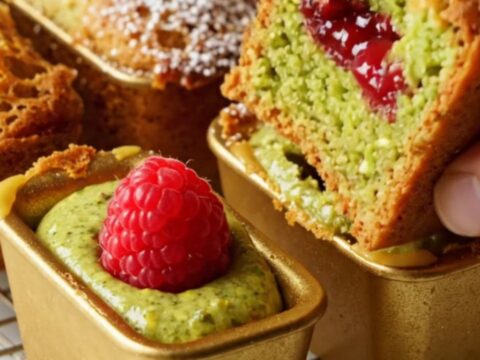
Golden Brown Butter Pistachio Raspberry Financiers
See the recipe → →This recipe is based on a short cooking video and is published under the pen name Clara Weller. It was checked before publication, but errors can slip through. Nutrition, when shown, is an estimate. Read more in our editorial policy and on our food safety page.
More recipes to try
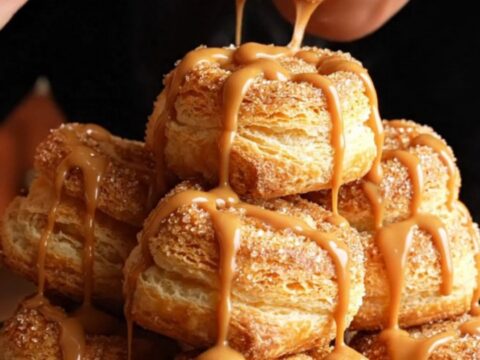
Crispy Churro Cheesecake Puff Pastry Pinwheels in 20 Minutes
Total time: 28 min
Crispy Sicilian Ricotta Cannoli: Make Them at Home
Total time: 1 h 30 min
Lemon Blueberry Ricotta Crumb Cake with Buttery Streusel
Total time: 1 h 20 min
Classic Apple Cider Doughnuts with Cinnamon Sugar
Total time: 35 min
Twelve-Minute Molten Dark Chocolate Lava Cake
Total time: 24 min