Dinner · Part 3 of 3: Tips & recipe card
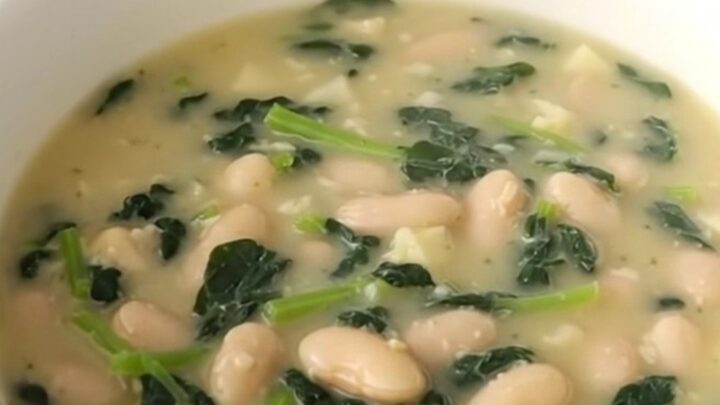
Creamy White Bean and Spinach Chowder for a Quick Weeknight Dinner Tips, FAQ & printable recipe
- Prep
- Cook
- Total
- Serves
- 4
Tips for success
For a deeper flavor profile, consider sautéing a small amount of diced onions or garlic in a separate pan before adding them to the slow cooker.
While the basic version is excellent, these aromatics can provide an extra layer of complexity that complements the Italian seasoning and the creaminess of the beans.
If you find the soup is too thick after cooking, add a splash of vegetable broth or water to adjust the consistency to your preference.
Do this in small increments, stirring well between each addition, to ensure you maintain the desired creamy texture without making the chowder too thin or watery.
Variations
- Spicy White Bean Chowder: Add a teaspoon of crushed red pepper flakes or a diced jalapeño to the slow cooker at the beginning. This provides a gentle heat that cuts through the creaminess of the beans.
- Lemon and Herb Variation: Stir in a tablespoon of fresh lemon juice and a teaspoon of lemon zest along with the spinach at the end. The brightness of the citrus lifts the earthy flavors of the beans.
Storage and make-ahead
- Fridge
- Store in an airtight container for up to 3 days.
- Freezer
- Freeze in a freezer-safe container for up to 1 month. Thaw in the refrigerator overnight before reheating.
- Reheat
- Reheat on the stovetop over low heat, stirring occasionally, or in the microwave until steaming hot throughout.
Allow the chowder to cool completely within two hours of removing it from the heat. Once cool, transfer it into an airtight container. It can be kept in the refrigerator for up to three days.
For longer storage, the chowder can be frozen for up to one month, though the texture of the potatoes may change slightly upon thawing.
This dish is an excellent candidate for making ahead, as the flavors often meld and improve after resting in the refrigerator for a day.
Simply prepare the chowder as directed, allow it to cool, and store it in the fridge. Reheat portions gently on the stovetop or in the microwave, adding a little extra broth if the soup has thickened too much.
Serving ideas
Serve this chowder hot in deep bowls to retain its warmth. It pairs beautifully with a side of crusty bread or a simple green salad to round out the meal. A light drizzle of high-quality extra virgin olive oil or a sprinkle of cracked black pepper can enhance the flavors just before serving.
The creamy nature of the beans makes this a very satisfying standalone meal. If you wish to add a bit of texture, a small handful of toasted croutons or a sprinkle of toasted pine nuts can provide a pleasant crunch that contrasts nicely with the soft potatoes and beans in every spoonful.
Frequently asked questions
Can this be made on the stovetop instead of a slow cooker?
Why does the chowder thicken so much after refrigerating?
Can frozen spinach be used instead of fresh?
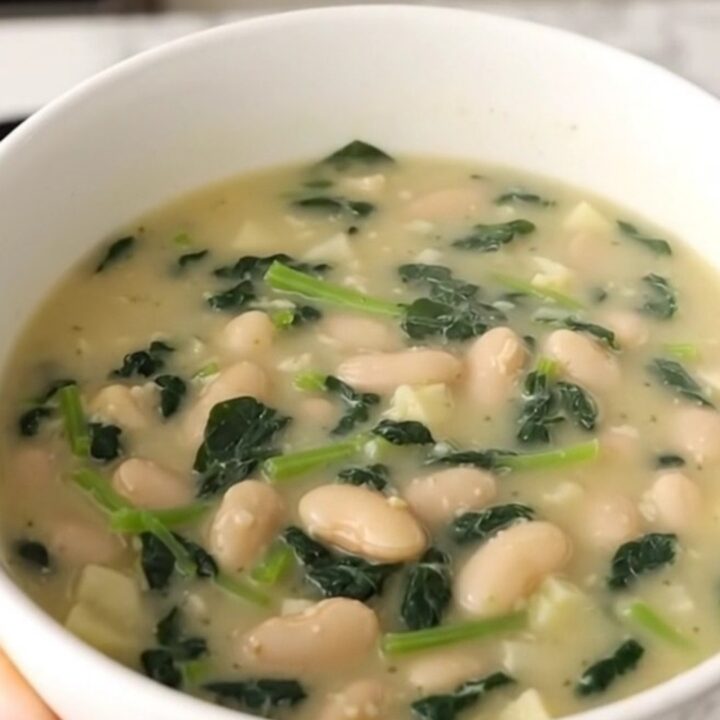
Creamy White Bean and Spinach Chowder for a Quick Weeknight Dinner
Ingredients
- 2 cans cannellini beans, rinsed and drained
- 3 cups russet potatoes, peeled and diced into 1/2-inch cubes
- 1 packet Italian seasoning
- 4 cups vegetable broth
- 2 cups fresh baby spinach, packed
Instructions
- Place the rinsed white beans into the bottom of the slow cooker. Scatter the diced potatoes evenly over the beans to ensure they cook through uniformly.
- Sprinkle the Italian seasoning packet over the potato layer. Pour the vegetable broth over the top until all ingredients are just submerged.
- Cover and cook on low for 4 to 6 hours. During the final 10 minutes of cooking, stir in the fresh baby spinach until wilted and the chowder is creamy.
Estimated nutrition per serving
- Calories
- 280
- Protein
- 12.5 g
- Carbohydrates
- 48 g
- Fat
- 3.5 g
- Fiber
- 9 g
- Sugar
- 2 g
- Sodium
- 650 mg
Next recipe

Creamy Garlic Parmesan Tortellini Bake
See the recipe → →This recipe is based on a short cooking video and is published under the pen name Clara Weller. It was checked before publication, but errors can slip through. Nutrition, when shown, is an estimate. Read more in our editorial policy and on our food safety page.
More recipes to try

Easy Slow Cooker Italian Sausage and Gnocchi Bake
Total time: 4 h 10 min
Slow Cooker Peach Bourbon Glazed Ham
Total time: 4 h 15 min
Slow Cooker Sweet Chili Lime Pulled Pork
Total time: 8 h 20 min
Slow Cooker Tuscan Herb Beef Stew for Easy Weeknight Dinners
Total time: 8 h 15 min
Slow Cooker Spicy Honey Barbecue Beef Meatballs
Total time: 3 h 5 min