Dinner · Part 1 of 3: Ingredients
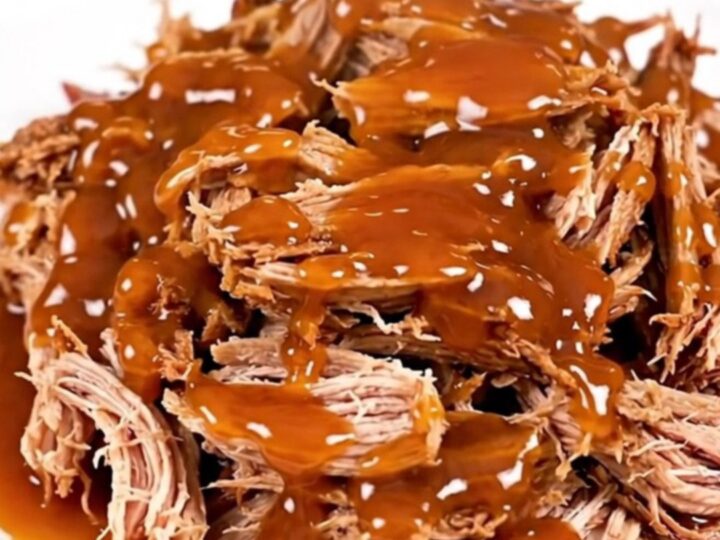
Slow Cooker Sweet Chili Lime Pulled Pork
- Prep
- Cook
- Total
- Serves
- 6
Master the art of slow-cooked perfection with this simple sweet chili lime pulled pork. This dish transforms a simple cut of meat into a tender, flavor-packed feast that requires almost no active effort from the cook.
It is the ultimate solution for busy days when a hearty, satisfying meal is needed without spending hours in the kitchen. The combination of tangy lime and sweet chili sauce creates a glaze that coats every strand of meat, ensuring each bite is moist and delicious.
This recipe relies on the gentle, steady heat of a slow cooker to break down the connective tissues in the pork butt, resulting in a melt-in-your-mouth texture that is impossible to replicate with quick-cooking methods. By layering the ingredients directly in the cooker, the flavors meld together over several hours, creating a rich, syrupy glaze that clings to the pork.
It is a straightforward approach that yields professional-quality results, making it an excellent choice for family gatherings or casual dinners where you want to spend time with guests rather than standing over a stove.
Ingredients
- 4 lb pork butt
- 1 red onion, diced
- 1/4 cup lime juice
- 1 cup sweet chili sauce
Why this recipe works
The slow cooker environment acts like a moist-heat oven, which is ideal for tougher cuts of meat like pork butt. As the temperature rises slowly, the collagen within the muscle fibers gradually converts into gelatin, which keeps the meat moist and tender even after hours of cooking. This process allows the flavors of the sweet chili sauce and lime juice to penetrate deeply into the meat, ensuring that the flavor is not just on the surface but infused throughout the entire dish.
Using a slow cooker also provides a consistent heat source that prevents the meat from drying out, which often happens with high-heat roasting. The liquid from the sauce and the natural juices released by the pork create a flavorful braising medium.
By keeping the lid closed, the steam stays inside, which helps to maintain an even temperature and ensures the pork remains succulent. This method is highly forgiving, making it a reliable technique for anyone looking to achieve consistent results every single time.
Notes and substitutions
When selecting a pork butt, look for a piece with good marbling, as the intramuscular fat is essential for keeping the meat succulent during the long cook time. If you cannot find a pork butt specifically, a pork shoulder roast is an excellent substitute and will behave similarly in the slow cooker.
Ensure the onion is diced into relatively uniform pieces so that it softens and essentially melts into the sauce as it cooks, providing a subtle sweetness that balances the acidity of the lime.
The choice of sweet chili sauce is important because it serves as the base for the glaze. Choose a standard sweet chili sauce that is not overly spicy, as the goal is to highlight the brightness of the lime. If you prefer a more intense citrus flavor, you can add some freshly grated lime zest to the sauce before pouring it over the pork. The equipment needed is minimal; a standard oval slow cooker works perfectly to hold the roast and allow for even heat distribution.
- pork butt: pork shoulder can be used as a direct alternative for this recipe
- red onion: yellow or white onions provide a similar texture if red onion is unavailable
Equipment
- slow cooker
- chef knife
- cutting board
- measuring cups
- two forks for shredding
Up next · Part 2 of 3
3 steps · 8 h of cooking · what to look for at each stage
Step-by-step instructions (Part 2)