Dinner · Part 3 of 3: Tips & recipe card
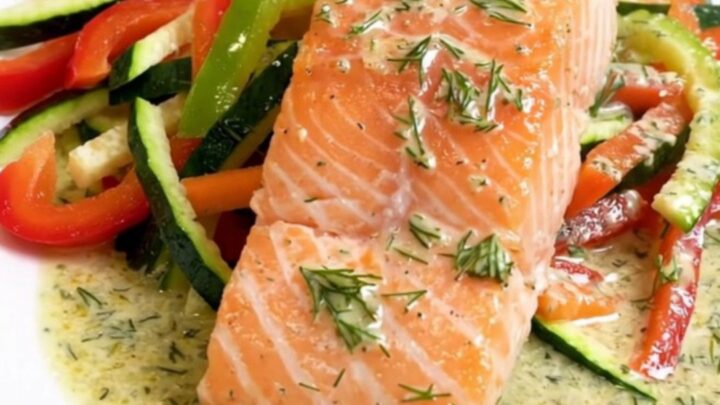
Creamy Slow Cooker Salmon with Dill and Vegetables Tips, FAQ & printable recipe
- Prep
- Cook
- Total
- Serves
- 4
Tips for success
For a more vibrant presentation, add a handful of fresh herbs like parsley or chives right before serving. This adds a pop of color and a fresh flavor profile that complements the richness of the cream sauce.
If you want a bit of texture, you can also sprinkle toasted pine nuts or slivered almonds over the top of the dish just before plating.
When cooking with cream, keep the heat setting on low. Using the high setting can cause the cream to break or curdle, resulting in a grainy sauce rather than a smooth, velvety one.
Patience is key with this recipe, as the low and slow approach is what makes the salmon so incredibly tender and the sauce so cohesive and flavorful.
Variations
- Lemon Dill Salmon: Add two tablespoons of fresh lemon juice and one teaspoon of lemon zest to the cream before pouring it over the fish. The acidity adds a bright, zesty note that elevates the creaminess.
- Spicy Cream Salmon: Stir one teaspoon of red pepper flakes or a dash of cayenne pepper into the cream. This adds a subtle warmth that contrasts well with the mild flavor of the salmon.
Storage and make-ahead
- Fridge
- Store in an airtight container for up to 2 days.
- Reheat
- Reheat gently on the stovetop over low heat or in a microwave at 50% power until warmed through.
Store any leftovers in an airtight container in the refrigerator for up to two days. Because this dish contains cream and fish, it is best consumed as soon as possible to maintain quality.
When reheating, be very gentle to avoid overcooking the fish or splitting the cream sauce, which can happen if the temperature is raised too quickly.
You can prepare the vegetables and store them in the refrigerator up to 24 hours in advance. However, do not assemble the dish until you are ready to cook, as the salt in the fish can draw out too much moisture from the vegetables, and the cream may start to degrade if it sits with the raw fish for too long.
Serving ideas
Serve the salmon immediately while it is piping hot, directly from the slow cooker. Spoon a generous amount of the creamy vegetable sauce over each fillet to ensure every bite is moist and flavorful. Pair this dish with a side of steamed rice, crusty bread, or roasted potatoes to help soak up the delicious dill cream sauce.
For a complete dinner, consider serving this alongside a crisp side salad with a bright vinaigrette. The acidity of the dressing will cut through the richness of the cream, creating a harmonious dining experience.
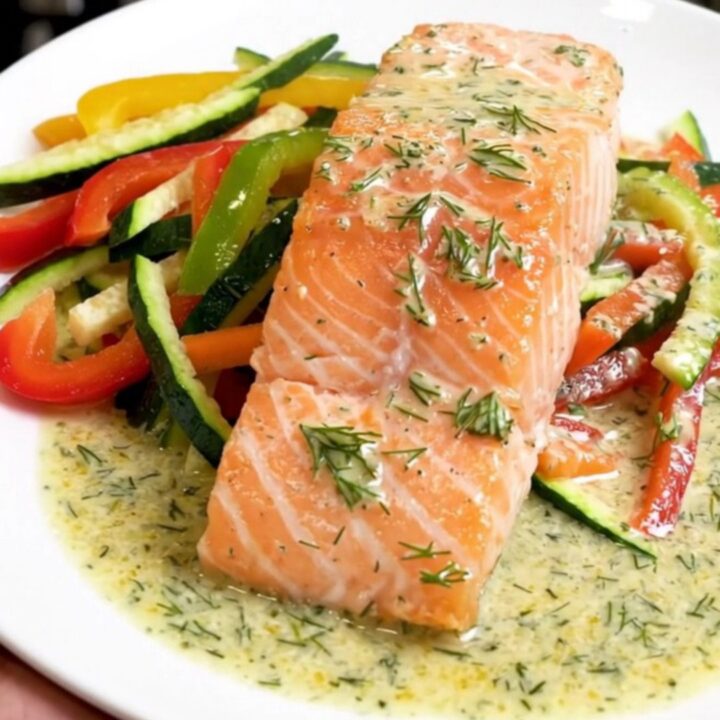
Arrange the fillets carefully on wide, shallow bowls to showcase the beautiful colors of the vegetables and the creamy, herb-speckled sauce.
Frequently asked questions
Can this be made with frozen salmon fillets?
Why did the cream sauce separate?
Can other vegetables be used?
Creamy Slow Cooker Salmon with Dill and Vegetables
Ingredients
- 4 fillets salmon fillets, skin removed
- 2 cups julienne vegetables (carrots and zucchini)
- 1 tbsp dried dill
- 1 cup heavy cream
Instructions
- Place the salmon fillets in an even layer at the bottom of the slow cooker ceramic insert. Ensure the fillets are not overlapping too much to promote even cooking throughout the process.
- Scatter the julienned vegetables over the salmon. Sprinkle the dried dill evenly across the vegetables and fish. Finally, pour the heavy cream over the top to submerge the ingredients slightly.
- Cover the slow cooker and cook on low for 3 hours. Check that the salmon reaches an internal temperature of 145°F (63°C). Allow the fish to rest for 5 minutes before serving carefully onto plates.
Estimated nutrition per serving
- Calories
- 420
- Protein
- 32 g
- Carbohydrates
- 8 g
- Fat
- 28 g
- Fiber
- 2 g
- Sugar
- 3 g
- Sodium
- 150 mg
Next recipe
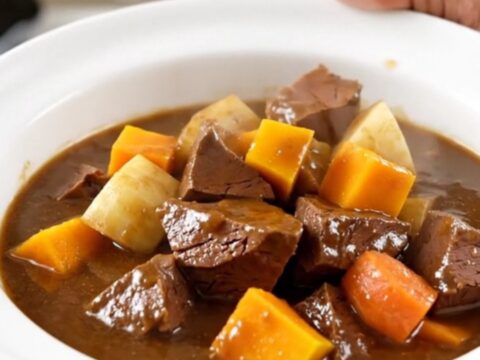
Slow Cooker Autumn Veal Stew for Easy Weeknight Dinners
See the recipe → →This recipe is based on a short cooking video and is published under the pen name Clara Weller. It was checked before publication, but errors can slip through. Nutrition, when shown, is an estimate. Read more in our editorial policy and on our food safety page.
More recipes to try

Slow Cooker Montbéliard Sausage and Potato Stew with Cancoillotte
Total time: 4 h 15 min
Slow Cooker Mushroom Bourguignon for a Simple Dinner
Total time: 4 h 10 min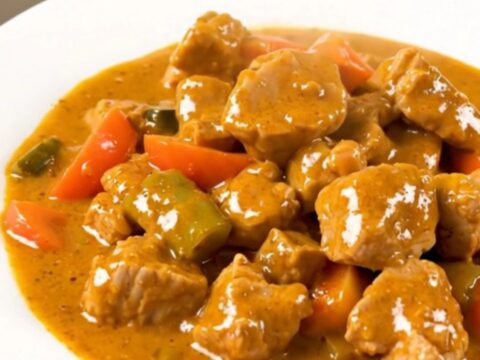
Slow Cooker Coconut Pork Curry for Easy Weeknight Dinners
Total time: 6 h 15 min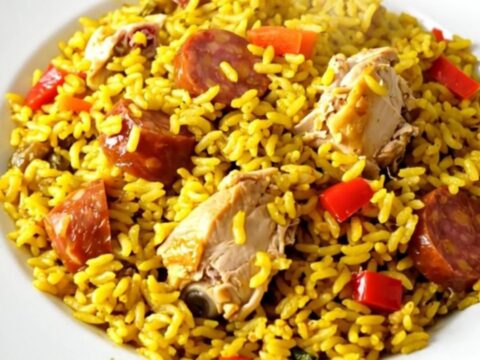
Slow Cooker Chicken and Chorizo Paella for Easy Weeknight Dinners
Total time: 4 h 15 min
Slow Cooker Chicken Mafé for an Easy One-Pot Dinner
Total time: 4 h 15 min