Dinner · Part 1 of 3: Ingredients
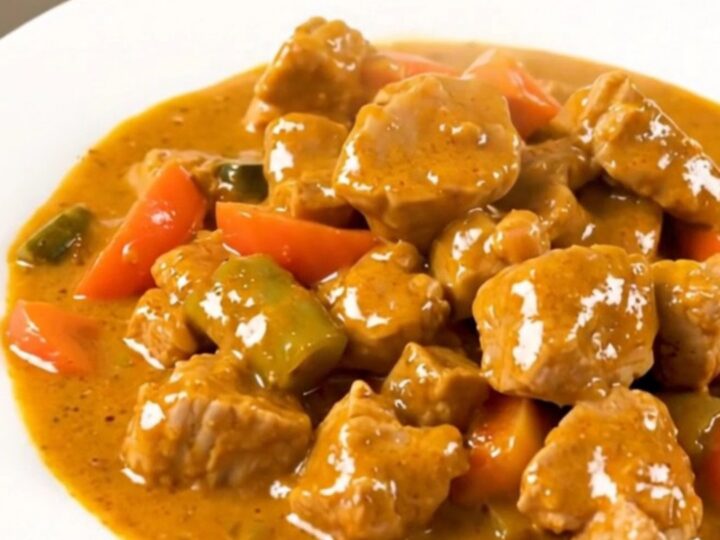
Slow Cooker Coconut Pork Curry for Easy Weeknight Dinners
- Prep
- Cook
- Total
- Serves
- 4
Unlock the secret to a stress-free dinner with this slow cooker coconut pork curry. This recipe combines the convenience of modern kitchen appliances with the rich, aromatic flavors of a classic curry. Perfect for busy families or anyone looking to maximize their time without sacrificing a delicious, home-cooked meal, this dish is designed to be prepared in minutes and enjoyed at the end of a long day.
The beauty of this slow cooker coconut pork curry lies in its simplicity and the depth of flavor it develops over time. By allowing the pork to braise gently in a bath of creamy coconut milk and mild curry spices, the meat becomes exceptionally tender and infused with every note of the seasoning.
This recipe is an ideal starting point for those new to slow cooking, as it requires minimal active preparation while delivering restaurant-quality results that feel sophisticated and comforting on the palate.
Ingredients
Main Ingredients
- 1.5 lb pork shoulder, diced
- 2 medium carrots, sliced
- 1 medium yellow onion, sliced
Seasoning
- 2 tbsp mild curry powder
Liquid
- 1 can full-fat coconut milk
Why this recipe works
The slow cooking method works by breaking down the tough connective tissues in the pork shoulder, transforming them into succulent, melt-in-your-mouth bites. This low and slow process ensures that the meat remains moist throughout the cooking duration, preventing it from drying out as it would with high-heat methods.
The gentle heat allows the flavors of the curry powder to bloom and permeate the coconut milk, resulting in a cohesive and deeply flavored sauce that coats every ingredient perfectly.
Using a slow cooker also facilitates a consistent cooking environment that is difficult to replicate on a stovetop. By maintaining a steady, low temperature, the ingredients are able to release their juices and combine with the coconut milk without the risk of burning or rapid evaporation.
This creates a rich, velvety sauce that is naturally balanced. The method effectively marries the earthy sweetness of the carrots and onions with the savory notes of the pork and the aromatic spices.
Notes and substitutions
When selecting pork for this recipe, look for well-marbled pork shoulder to ensure the most tender result. The fat content in the shoulder provides the necessary richness to balance the coconut milk. If using a leaner cut, be aware that the texture may be slightly different. For the coconut milk, always opt for full-fat canned varieties rather than the carton-style options intended for drinking, as the higher fat content is essential for a creamy, thick sauce texture.
The choice of curry powder can significantly impact the profile of your dish. A high-quality mild blend is recommended to ensure the spice level is accessible while still providing complex floral and earthy notes.
If your slow cooker is older or tends to run hotter, check the doneness of the meat about an hour before the suggested time. Always ensure your equipment is clean and the lid fits securely to maintain the necessary moisture levels during the long cooking process.
- Pork shoulder: Pork tenderloin or boneless pork chops work well for a different texture.
- Full-fat coconut milk: Alternative coconut milk products can be used for a different sauce consistency.
Equipment
- Slow cooker
- Chef's knife
- Cutting board
- Measuring cups
- Measuring spoons
- Serving plate
Up next · Part 2 of 3
3 steps · 6 h of cooking · what to look for at each stage
Step-by-step instructions (Part 2)