Dinner · Part 3 of 3: Tips & recipe card
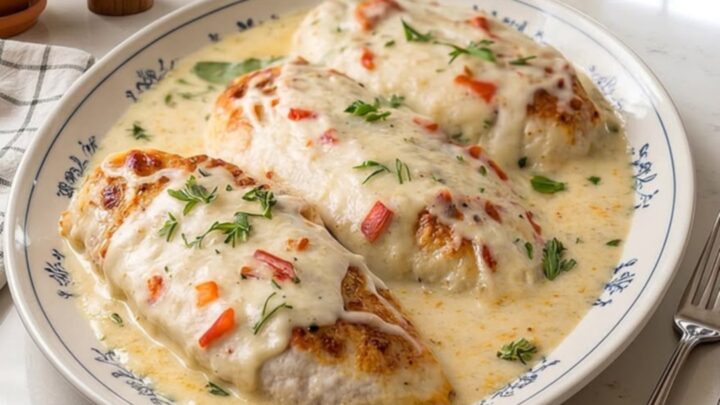
Creamy Cheesy Baked Chicken Breast Tips, FAQ & printable recipe
- Prep
- Cook
- Total
- Serves
- 4
Tips for success
If you prefer a more golden crust, you can place the baking dish under the broiler for the final minute of cooking. Watch it very closely, as cheese can transition from perfectly melted to burnt in a matter of seconds. This step is optional but adds a pleasant contrast in texture to the soft, creamy sauce covering the chicken.
For added flavor, you can incorporate fresh herbs like chopped parsley or chives into the sour cream before spreading it over the chicken. Dried herbs like oregano or thyme can also be sprinkled on top of the cheese before baking.
These small additions brighten the overall flavor profile of the dish and provide a nice visual contrast against the white sauce and melted cheese.
Variations
- Spicy Version: Stir a tablespoon of your favorite hot sauce or a teaspoon of crushed red pepper flakes into the sour cream before spreading it over the chicken for a gentle, warming heat.
- Garlic Herb Version: Add one teaspoon of garlic powder and a tablespoon of dried Italian seasoning to the sour cream to create a fragrant, herb-forward sauce that complements the melted cheese.
Storage and make-ahead
- Fridge
- Keep in an airtight container for up to 3 days.
- Freezer
- Freezing is not recommended as the sour cream sauce and cheese can separate and become grainy upon thawing and reheating.
- Reheat
- Reheat in an oven-safe dish at 325°F (160°C) until warmed through, or use a microwave on medium power in short intervals to prevent the cheese from drying.
Store any leftovers in an airtight container to maintain moisture. Ensure the chicken has cooled completely before placing it in the refrigerator to prevent the container from fogging and affecting the texture of the sauce. Consume refrigerated leftovers within 3 days for the best quality and safety.
You can place the chicken in the baking dish and store it in the refrigerator for up to 2 hours before adding the sour cream and cheese. For best results, add the sauce and cheese just before baking.
Baking it straight from the cold state may require an additional 5 minutes of cooking time, so always rely on the internal temperature rather than the clock.
Serving ideas
Serve this dish warm, ideally directly from the baking dish to keep the sauce and cheese at the perfect consistency. Because the sauce is quite rich, it pairs beautifully with simple sides that can soak up the extra cream.
Consider serving it alongside steamed broccoli, roasted asparagus, or a light cucumber salad to balance the richness of the main dish.
If you are serving this for a family dinner, consider pairing it with a side of garlic bread or a simple pasta tossed in olive oil. The creamy sauce acts almost like a gravy, making it perfect for dipping crusty bread.
Ensure that each serving includes a generous portion of the sauce from the bottom of the dish to get the full experience of the flavors.
Frequently asked questions
Can this be made with chicken thighs instead of breasts?
Why is it important to let the chicken rest after baking?
Can other types of cheese be used?
Creamy Cheesy Baked Chicken Breast

Ingredients
- 4 pieces boneless skinless chicken breasts
- 1 cup sour cream
- 2 cups shredded mozzarella cheese
Instructions
- Preheat the oven to 375°F (190°C). Place the chicken breasts into a baking dish in a single layer.
- Spread the sour cream evenly over the top of each chicken breast. Sprinkle the shredded mozzarella cheese generously over the sour cream layer to ensure full coverage.
- Place the baking dish into the oven and bake for 25 to 30 minutes. Verify the chicken has reached an internal temperature of 165°F (74°C). Remove from the oven, let the meat rest for 5 minutes, then serve.
Estimated nutrition per serving
- Calories
- 420
- Protein
- 35 g
- Carbohydrates
- 6 g
- Fat
- 28 g
Next recipe
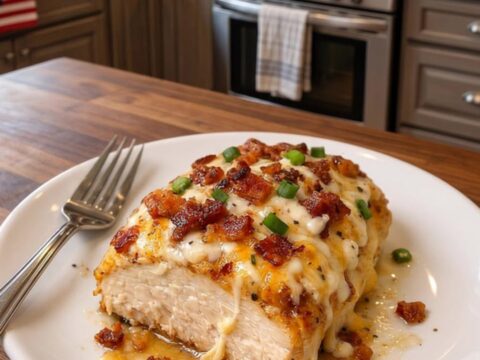
Cheesy Bacon Ranch Chicken for a Quick Dinner
See the recipe → →This recipe is based on a short cooking video and is published under the pen name Clara Weller. It was checked before publication, but errors can slip through. Nutrition, when shown, is an estimate. Read more in our editorial policy and on our food safety page.
More recipes to try
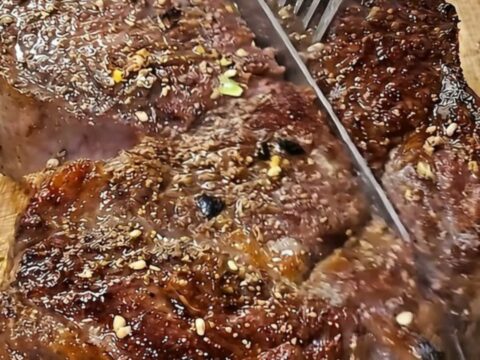
Garlic Herb Butter Tomahawk Steak
Total time: 50 min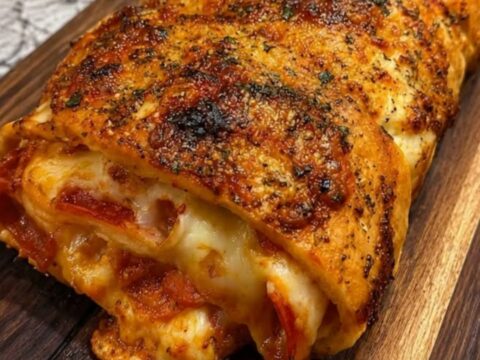
Cheesy Pepperoni Stuffed Stromboli
Total time: 45 min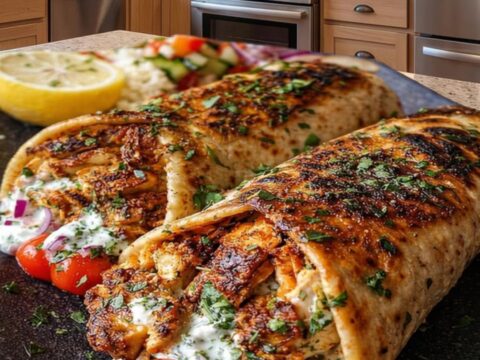
Quick Greek Chicken Wraps with Creamy Garlic Sauce
Total time: 30 min
Crispy Bacon-Wrapped Cheese-Stuffed Meatloaf
Total time: 1 h 30 min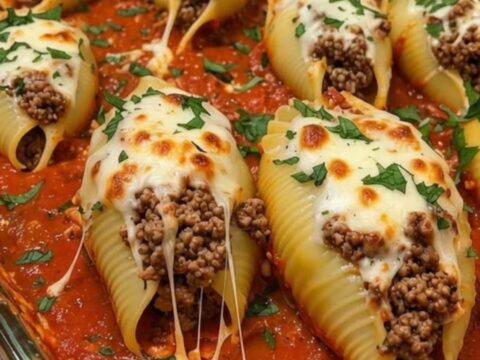
Hearty Beef and Cheese Stuffed Shells
Total time: 1 h