Dinner · Part 3 of 3: Tips & recipe card
Creamy Butternut Squash Penne with Crispy Pancetta Tips, FAQ & printable recipe

- Prep
- Cook
- Total
- Serves
- 4
Tips for success
Salt the pasta water generously, about a tablespoon per quart, because penne only takes on seasoning while it boils; no amount of salty sauce fixes bland pasta afterward. Never rinse the drained penne, since the surface starch is what lets the squash sauce cling.
When blending, give the blender a full minute rather than pulsing, and vent the lid slightly to let steam escape. If the purée seems thick in the blender, remember it loosens with pasta water later, so blend it slightly stiffer than the final sauce rather than thinning it with stock.
Taste the sauce after it simmers and adjust before the pasta goes in, since seasoning is far easier to correct in a pan of sauce than in a pan of coated pasta. Grate the nutmeg directly over the blender, starting with a small amount; it should be a background warmth, not a spice note.
If the finished dish sits while the table is set and the sauce tightens, revive it over low heat with a splash of the reserved pasta water rather than water from the tap, which dilutes the flavor. Warm the serving bowls so the sauce stays fluid to the last forkful.
Variations
- Vegetarian Penne: Skip the pancetta and fry the sage leaves in 3 tablespoons of olive oil instead. Add an extra ounce of goat cheese to the blend for body, and finish the bowls with a few extra pumpkin seeds for the savory crunch the pancetta would have given.
- Spicy Autumn Penne: Add a generous pinch of red pepper flakes to the skillet with the pancetta fat before the sauce goes in, letting them bloom for a few seconds. The warmth builds slowly through the sweet squash and makes the finished bowls noticeably livelier without changing anything else.
- Sweet Potato Version: Swap the butternut squash for an equal weight of peeled, cubed sweet potato. It roasts in the same 25 to 30 minutes and blends just as smoothly, giving a slightly sweeter, deeper-orange sauce; balance it with a little extra goat cheese for tang.
- Baked Squash Penne: Toss the sauced penne with half the pancetta and transfer it to a baking dish. Top with the remaining pancetta, sage and pumpkin seeds and bake at 400°F for about 15 minutes, until the edges bubble and the top turns golden and crisp.
Storage and make-ahead
- Fridge
- Refrigerate leftovers in an airtight container for up to 3 days; keep the pancetta, sage and seeds separate so they stay crisp.
- Freezer
- Freeze the sauce alone for up to 2 months; thaw overnight in the refrigerator, re-blend briefly, then toss with freshly boiled pasta.
- Reheat
- Reheat gently on the stove over medium-low with a splash of water or stock, stirring until the sauce turns glossy again; add the toppings after reheating.
Cool any leftovers for no more than 2 hours, then transfer them to an airtight container and refrigerate for up to 3 days. Store the crispy pancetta, sage and pumpkin seeds in a separate container so they keep their crunch, and scatter them on after reheating.
The sauce alone keeps even better than the finished dish and can be refrigerated on its own for up to 4 days, ready to toss with freshly boiled pasta whenever it is needed.
The squash can be roasted and the sauce blended up to 2 days ahead; refrigerate the purée in a covered container and reheat it gently in the skillet with a splash of stock before tossing with fresh pasta. The pumpkin seeds can be toasted up to a week ahead and kept in a jar at room temperature. Crisp the pancetta and fry the sage on the day of serving, since both lose their texture overnight, even in the refrigerator.
Serving ideas
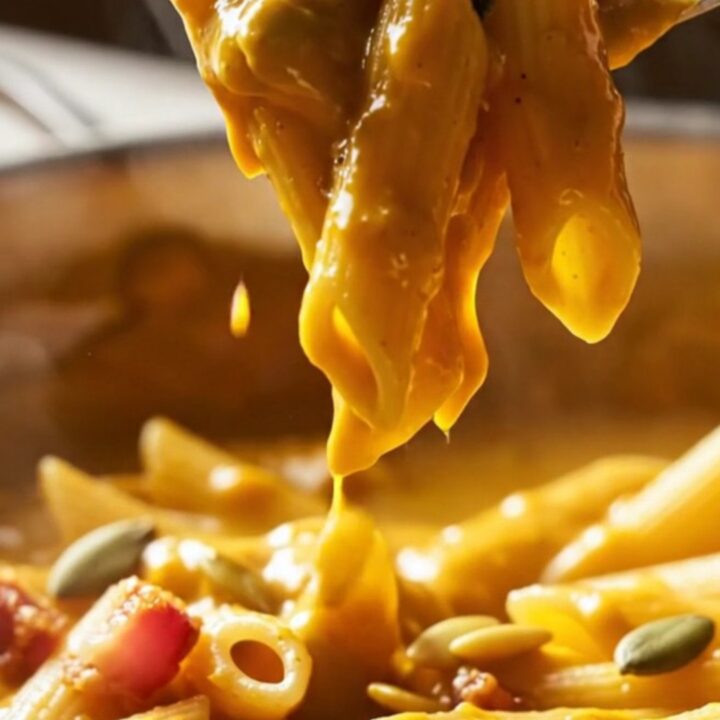
Serve the penne in warmed, shallow bowls so the sauce stays fluid from the first bite to the last. Twirl the pasta with a fork and spoon for height, then finish each bowl at the table with the crispy pancetta, the fried sage leaves crumbled over by hand and a spoonful of toasted pumpkin seeds.
A last crack of black pepper and, if liked, a thin drizzle of the best olive oil on hand sharpens the whole bowl without hiding the squash.
A bitter green salad with a sharp vinaigrette balances the sweetness of the squash, and a slab of crusty bread takes care of the sauce left in the bowl. For a fuller table, roast a second sheet pan of squash cubes alongside the first and serve them on the side, or set out extra fried sage and pumpkin seeds so everyone can add their own crunch. This dish needs nothing more than a fork, a warm bowl and someone to pass the pepper.
Frequently asked questions
Can the squash sauce be made ahead of time?
Why did the goat cheese sauce turn grainy?
Which pasta shapes work best with this sauce?
Can frozen butternut squash cubes be used?
How can the sauce be thinned or thickened?
Creamy Butternut Squash Penne with Crispy Pancetta
Ingredients
- 1 1/8 lb butternut squash, peeled and cut into 3/4-inch cubes
- 4 cloves garlic, peeled
- 3 tbsp olive oil
- 4 oz pancetta, diced
- 10 leaves fresh sage leaves
- 2/3 cup vegetable stock
- 3 oz chevre
- Ground nutmeg, to taste
- 12 oz penne rigate
- 1/4 cup pumpkin seeds, toasted
Instructions
- Heat the oven to 425°F (220°C). Toss the squash cubes, garlic cloves and olive oil directly on a sheet pan, rubbing the oil over every piece. Spread the cubes into a single layer with a little space between them, then roast for 25 to 30 minutes.
- While the squash roasts, set the diced pancetta in a large cold skillet and place it over medium heat. Let the fat render slowly, stirring now and then, for 8 to 10 minutes, until the cubes are deeply browned and crisp. Lift them out with a slotted spoon.
- Lower the heat slightly and lay the sage leaves in the hot pancetta fat. Fry them for about 30 seconds per side, just until they turn dark green, translucent at the center and brittle. Transfer them to a paper towel, leaving the flavored fat in the pan for the sauce.
- Scrape the hot squash and garlic into a blender with the vegetable stock, chevre and a grating of nutmeg. Blend on high for a full minute, until the purée is completely smooth and falls from the blade in a slow ribbon. Add a splash more stock only if it will not move.
- Bring a large pot of well-salted water to a rolling boil and cook the penne until al dente, following the package timing and starting to test two minutes early. Before draining, scoop out a cup of the starchy pasta water, then drain the penne in a colander.
- Pour the purée into the skillet with the pancetta fat and set it over medium-low heat. Let it come to a gentle simmer, stirring often, for 3 to 4 minutes so the raw squash edge cooks off and the sauce thickens slightly. Keep the bubbles slow and lazy.
- Pull the skillet off the heat and add the drained penne, tossing with a wooden spoon. Add the reserved pasta water a few tablespoons at a time, tossing after each addition, until the sauce turns glossy and flows into every ridge of the pasta without pooling at the bottom.
- Toast the pumpkin seeds in a small dry skillet over medium heat for 2 to 3 minutes, shaking the pan, until they puff and smell nutty. Twirl the sauced penne into warm bowls, then scatter the crispy pancetta, fried sage leaves and pumpkin seeds over each portion right away.
Estimated nutrition per serving
- Calories
- 660
- Protein
- 20 g
- Carbohydrates
- 79 g
- Fat
- 30 g
Next recipe

Crispy Accordion Sweet Potato Wedges with Brown Butter Sage
See the recipe → →This recipe is based on a short cooking video and is published under the pen name Clara Weller. It was checked before publication, but errors can slip through. Nutrition, when shown, is an estimate. Read more in our editorial policy and on our food safety page.
More recipes to try
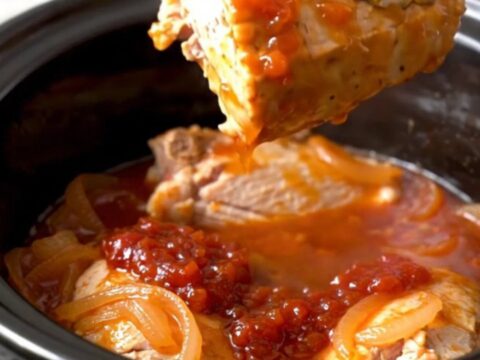
Crockpot Pepper Jelly Turkey Tenderloin: Sweet, Spicy, 4 Ingredients
Total time: 4 h 15 min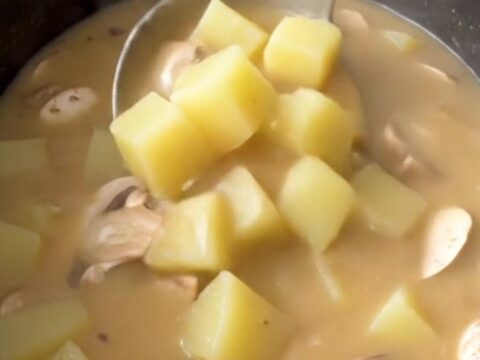
Slow Cooker Mushroom Swiss Potato Soup: Easy Dump-and-Go Dinner
Total time: 6 h 25 min
Crockpot Creamy Ranch Mushroom Turkey Meatballs (4 Ingredients)
Total time: 4 h 5 min
Crockpot Hawaiian Turkey Meatballs, Set and Forgotten
Total time: 3 h 10 min
Crockpot Ham, Green Bean and Potato Soup
Total time: 6 h 10 min