Dinner · Part 3 of 3: Tips & recipe card
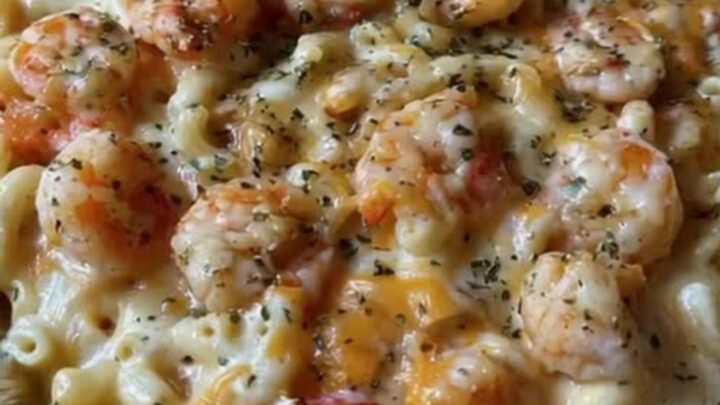
Creamy Baked Seafood Mac and Cheese with Seared Shrimp Tips, FAQ & printable recipe
- Prep
- Cook
- Total
- Serves
- 6
Tips for success
To keep your seafood macaroni and cheese incredibly creamy even after baking, do not skimp on the sauce-to-pasta ratio. It might look like there is too much sauce when you first mix the macaroni into the cheddar base, but the pasta will continue to absorb liquid as it sits and bakes.
Ensuring the mixture is quite saucy before it goes into the pan prevents the final dish from turning out dry. Additionally, letting the baked pasta rest for about five to ten minutes before serving allows the cheese sauce to set slightly, making it much easier to scoop and serve.
For an extra layer of texture, you can add a crispy topping to contrast with the creamy pasta and tender shrimp. Mixing a half-cup of panko breadcrumbs with a tablespoon of cooking oil and tossing them over the cheese before broiling creates a delightful crunch.
If you prefer a bit of heat, try adding a pinch of cayenne pepper or a dash of hot sauce directly into the cheese sauce before mixing. This subtle kick cuts through the richness of the cheddar and complements the seasoned shrimp beautifully.
Variations
- Spicy Cajun Seafood Bake: Swap the standard seafood seasoning for Cajun spices and add diced jalapeños to the cheddar sauce for a fiery kick.
- Lobster Mac and Cheese: Replace the seared shrimp with cooked lobster meat folded directly into the cheddar sauce before baking.
Storage and make-ahead
- Fridge
- Store leftovers in an airtight container in the refrigerator for up to 2 days.
- Freezer
- Freezing is not recommended, as the cheese sauce may split and the shrimp can become rubbery upon thawing.
- Reheat
- Reheat individual portions in the microwave with a splash of water, or cover with foil and bake at 325°F (163°C) until hot.
Allow any leftovers to cool to room temperature for no more than two hours to ensure food safety. Transfer the cooled seafood mac and cheese into an airtight container and store it in the refrigerator. Because this dish contains seafood, it is best consumed within two days. When storing, keep the container tightly sealed to prevent the pasta from drying out and to keep the refrigerator free of any seafood aromas.
You can assemble this dish ahead of time to simplify your dinner prep. Prepare the macaroni, sear the shrimp, and combine the pasta with the cheddar sauce. Assemble the pasta mixture in the baking pan, top with the cheese and shrimp, then cover the pan tightly with foil and refrigerate for up to twenty-four hours.
When ready to eat, bake the cold dish covered at 350°F (175°C) for twenty minutes to warm through, then remove the foil and broil for a few minutes until bubbling.
Serving ideas
Serve this decadent seafood macaroni and cheese piping hot, straight from the baking pan, to capture that spectacular, steaming cheese pull. It pairs wonderfully with a simple, crisp green salad tossed in a light lemon vinaigrette, which provides a refreshing, acidic contrast to the rich and creamy pasta.
Lightly steamed green vegetables, such as asparagus spears, green beans, or roasted broccoli, also make excellent side dishes that complement the savory seafood flavors without competing with the main event.
For a complete comfort food feast, serve this dish alongside warm, crusty garlic bread or freshly baked buttermilk biscuits. The bread is perfect for scooping up any extra cheddar sauce left on the plate. If you are hosting a casual gathering, presenting this dish in its aluminum baking pan keeps cleanup effortless while maintaining a cozy, rustic charm. Offer extra lemon wedges on the side for guests who like to squeeze a splash of fresh citrus over their shrimp.
Frequently asked questions
Can a different cheese be used for the topping?
How is the shrimp kept from getting rubbery?
Can this recipe be frozen?
Creamy Baked Seafood Mac and Cheese with Seared Shrimp
Ingredients
- 16 oz elbow macaroni
- 1 lb raw shrimp, peeled and deveined
- 1 tbsp seafood seasoning
- 3 cups rich cheddar sauce
- 2 cups shredded cheddar cheese
- 2 tbsp chopped fresh herbs
Instructions
- Bring a large pot of salted water to a boil. Add the elbow macaroni and cook according to the package instructions until it is just al dente, about 8 minutes. Drain the pasta thoroughly in a colander and set it aside. Do not rinse the macaroni, as the natural starches on the surface will help the rich cheddar sauce cling to the pasta later.
- Pat the raw shrimp completely dry with paper towels. Toss the shrimp with the seafood seasoning in a bowl until evenly coated. Heat a large skillet over medium-high heat. Add the seasoned shrimp to the skillet in a single layer and sear for 2 to 3 minutes per side until they are opaque, firm, and reach an internal temperature of 145°F (63°C). Transfer the cooked shrimp to a clean plate.
- In a large pot, combine the warm cooked elbow macaroni with the rich cheddar sauce. Fold the mixture gently using a spatula until every single noodle is completely coated in the velvety sauce.
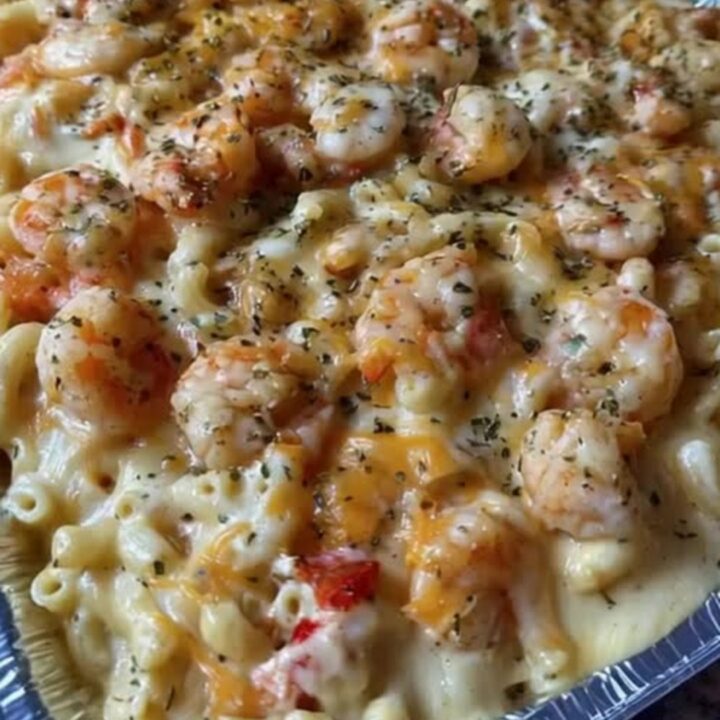
- Pour the cheesy macaroni mixture into an aluminum baking pan, spreading it into an even layer. Arrange the seared seasoned shrimp evenly over the top of the pasta, pressing them slightly into the macaroni. Sprinkle the shredded cheddar cheese uniformly over the shrimp and pasta layer, ensuring complete coverage for the ultimate cheese pull.
- Preheat your oven's broiler to high. Place the assembled aluminum pan on the top rack under the broiler. Cook for 3 to 5 minutes, watching closely, until the cheese is completely melted, bubbling, and develops beautiful golden-brown spots. Carefully remove the hot pan from the oven, garnish with the fresh herbs, and let it rest for 5 minutes before serving.
Estimated nutrition per serving
- Calories
- 620
- Protein
- 34 g
- Carbohydrates
- 61 g
- Fat
- 26 g
- Fiber
- 2.5 g
- Sugar
- 6 g
- Sodium
- 980 mg
Next recipe
Crispy Homemade Italian Stromboli with Molten Mozzarella
See the recipe → →This recipe is based on a short cooking video and is published under the pen name Clara Weller. It was checked before publication, but errors can slip through. Nutrition, when shown, is an estimate. Read more in our editorial policy and on our food safety page.
More recipes to try

Easy Cheesy Ham and Potato Casserole
Total time: 1 h 10 min
Creamy Sour Cream Chicken Enchiladas
Total time: 45 min
Cheesy Big Mac Tater Tot Casserole with Crispy Tots
Total time: 55 min
Golden Braided Meat Lovers Pizza Bread
Total time: 50 min
Cheddar Bay Hamburger Casserole with Easy Cheese-Crusted Biscuits
Total time: 45 min