Dinner · Part 3 of 3: Tips & recipe card
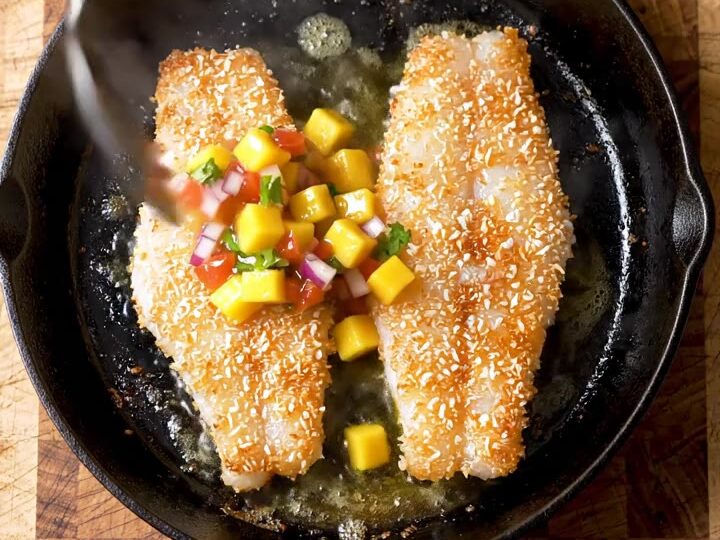
Coconut-Crusted Mahi-Mahi with Mango Skillet Salsa: Crispy and Quick Tips, FAQ & printable recipe
- Prep
- Cook
- Total
- Serves
- 4
Tips for success
Keep the coconut and the fish both dry before you begin. Moisture on the fillets pushes the coconut away and prevents a crisp crust. Pat the fish with paper towels right before pressing, and shake off any loose coconut after coating so only a firm, even layer remains on each piece.
Season the salsa at the end rather than early. Lime juice and salt draw moisture from the diced mango and onion, so a salsa seasoned too far ahead can turn watery. Toss the salsa with lime just before warming it, then add a little more lime at the table to keep it bright and fresh.
Variations
- Lime and chili version: Add a pinch of chili flakes to the salsa and a little extra lime zest to the coconut before pressing. This sharpens the flavor of the crust and gives the mango a gentle, spicy warmth that suits the fish well.
- Coconut oil frying: Use refined coconut oil instead of neutral oil for frying. It holds high heat well and adds a subtle coconut aroma that matches the crust. Watch the heat closely, since coconut oil can brown faster than neutral oil.
- Other firm white fish: Swap the mahi-mahi for cod, halibut or snapper fillets of similar thickness. Fry them using the same method and timing, checking the thickest part for flaky, opaque flesh before serving with the salsa.
- Mango with pineapple: Replace half the mango with diced fresh pineapple for a juicier, tangier salsa. Drain any excess juice before warming it in the skillet, so the salsa stays thick and does not dilute the crisp coconut crust.
Storage and make-ahead
- Fridge
- Refrigerate cooked fish and salsa in separate airtight containers for up to 2 days. Cool the fish within 2 hours of cooking before storing it.
- Reheat
- Reheat leftover fish in a dry skillet over medium heat for a few minutes, turning once, until the crust crisps and the center is warm.
Store leftover coconut-crusted mahi-mahi and the mango salsa in separate airtight containers. Let the fish cool for no more than 2 hours after cooking, then refrigerate it promptly.
The salsa keeps well for a day or so, and the fish is best eaten within a day or two. Keep the containers sealed to prevent the fish from absorbing other flavors in the refrigerator, and label them with the date so you know which leftovers to eat first.
You can prepare the salsa up to several hours in advance. Dice the mango and red onion, toss them with lime juice and keep the bowl covered in the refrigerator. Stir it once before warming it in the skillet.
The fish is best coated and fried just before serving, because the coconut crust is most crisp when it goes straight from the hot oil to the plate. You can grate the coconut ahead and store it in an airtight container at room temperature, and pat the fillets dry just before you coat them.
Serving ideas
Serve the fish straight from the skillet with the warm mango and red onion salsa spooned alongside. Add a wedge of lime to each plate so everyone can squeeze a little juice over the fish and the salsa.
The crisp coconut and cool, sweet salsa make a good contrast, and steamed white rice or a simple green salad pairs well with the fish without competing with its crust.
For a relaxed dinner, plate the fish on a warm platter and set the salsa in a small bowl on the side so guests can spoon as much as they like. Keep the fish hot by serving it right after it leaves the pan.
If you are serving more than one batch, hold the finished fillets on a rack in a low oven while the rest fry, so the coconut stays crisp until the last piece is on the table.
Frequently asked questions
Can you use frozen mahi-mahi for this recipe?
Why does the coconut fall off the fish?
Can the salsa be made ahead of time?
Is the fish safe to eat when the center looks slightly translucent?
What should you serve with coconut-crusted mahi-mahi?
Coconut-Crusted Mahi-Mahi with Mango Skillet Salsa: Crispy and Quick
Ingredients
- 1 1/2 lb mahi-mahi fillets, fresh, patted dry
- 1 cup shredded coconut, unsweetened
- 1/4 cup neutral cooking oil, such as canola or vegetable oil
- 1 ripe mango, peeled and diced
- 1/4 red onion, finely diced
- 2 limes, halved, plus a squeeze of juice for the salsa
- kosher salt, to taste
Instructions
- Dice the mango and the red onion finely and place them in a bowl. Add a squeeze of lime juice from one of the halved limes and toss gently. Keep the salsa at room temperature until the fish is ready, and warm it in the pan later.
- Lay the mahi-mahi fillets on a clean cutting board and pat both sides dry with paper towels. Season them lightly with kosher salt on both sides. Keep the fillets cold in the refrigerator until you are ready to coat them.
- Set a rasp grater over the board and grate the shredded coconut over the board until a fine, fluffy pile forms. Spread the coconut out so it is evenly thick on the board for coating.
- Press each mahi-mahi fillet firmly into the coconut pile, turn it over, and press again so the coconut adheres on both sides. Shake off any loose coconut and set the coated fillets on a clean plate.
- Pour the neutral cooking oil into the cast iron skillet and set it over medium-high heat. Heat until the oil shimmers and moves easily across the pan, which takes a few minutes. Keep the coated fillets on the plate until the oil is ready.
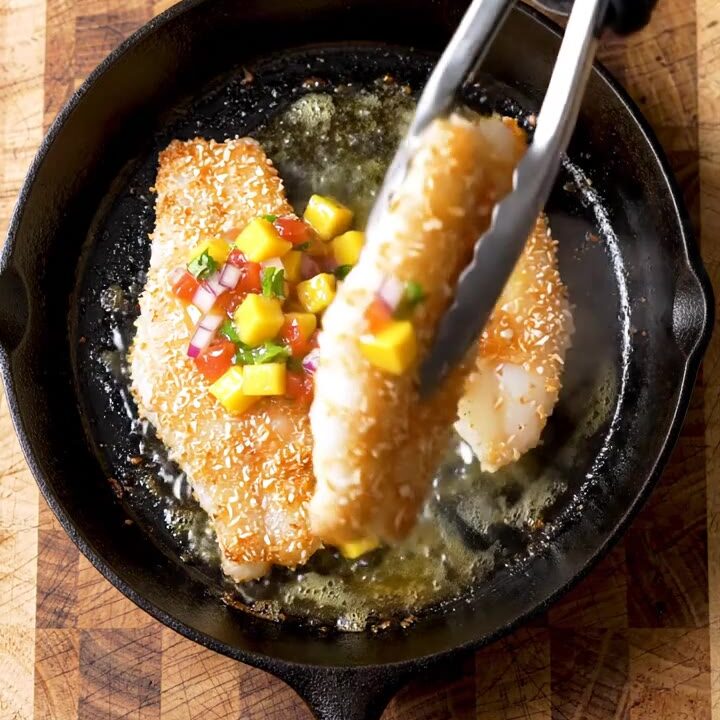
- Lay the coated fillets carefully into the hot oil, working in batches if needed so the pan is not crowded. Fry until the coconut crust turns golden brown and the oil bubbles steadily around the fish, about 3 to 4 minutes per side. Use a fish spatula to turn them once.
- Spoon the mango and red onion salsa into the skillet beside the fish. Warm it for about 1 minute, stirring gently. Squeeze a little more lime juice over the salsa and remove the pan from the heat.
- Use tongs to turn the fillets and baste them with the hot oil while the crust finishes. Transfer each fillet to a plate, spoon the warm mango salsa alongside, and serve with the remaining lime halves for squeezing.
Estimated nutrition per serving
- Calories
- 430
- Protein
- 34 g
- Carbohydrates
- 24 g
- Fat
- 22 g
- Fiber
- 3 g
- Sugar
- 10 g
- Sodium
- 380 mg
Next recipe
Crispy Eggplant Parmesan Skillet with Melted Mozzarella and Burrata
See the recipe → →This recipe is based on a short cooking video and is published under the pen name Clara Weller. It was checked before publication, but errors can slip through. Nutrition, when shown, is an estimate. Read more in our editorial policy and on our food safety page.
More recipes to try
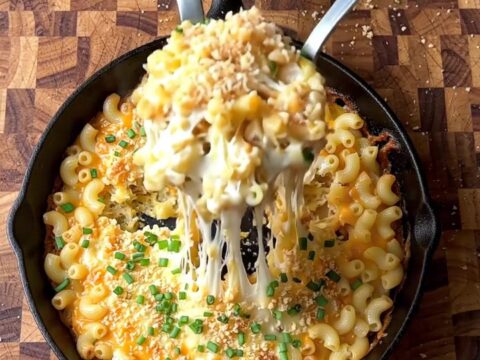
Truffle Four Cheese Mac and Cheese with Crispy Panko Cauliflower Skillet
Total time: 55 min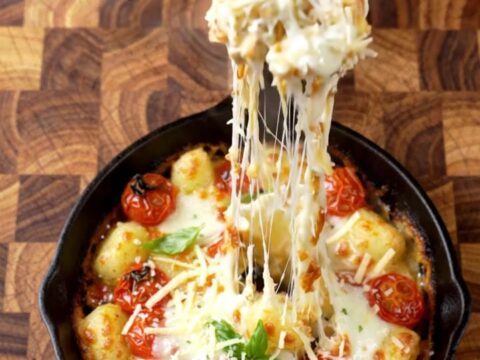
Blistered Tomato Gnocchi with Molten Brie in Garlic Butter Skillet
Total time: 38 min
Queso Fundido Skillet Cheesy Sweet Potato Bake in One Pan
Total time: 1 h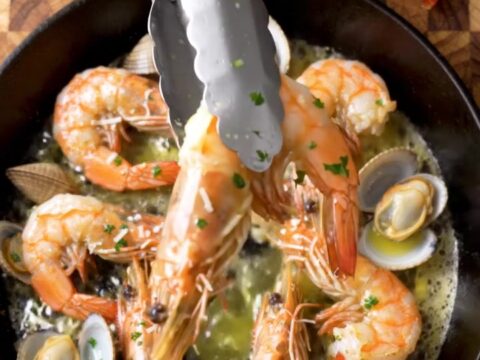
Garlic Butter Clams and Prawns in White Wine, One Skillet in Minutes
Total time: 27 min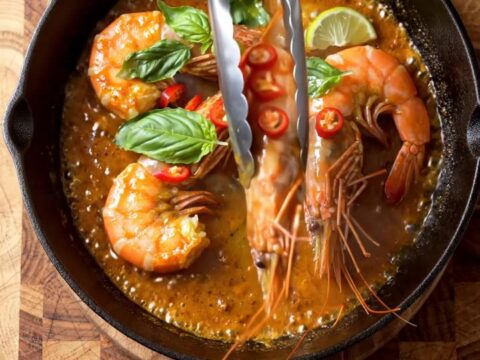
Coconut Curry Prawns in One Skillet: Quick, Glossy and Ready in 30 Minutes
Total time: 27 min