Dinner · Part 2 of 3: Instructions
Coconut-Crusted Mahi-Mahi with Mango Skillet Salsa: Crispy and Quick Step-by-step instructions
- Prep
- Cook
- Total
- Serves
- 4
Before you start
Start by setting out everything you need so the frying goes smoothly. Halve the limes and keep them close to the board. Peel and dice the mango into small, even cubes, and finely dice the red onion. Toss the mango and onion with a squeeze of lime juice and set the salsa aside.
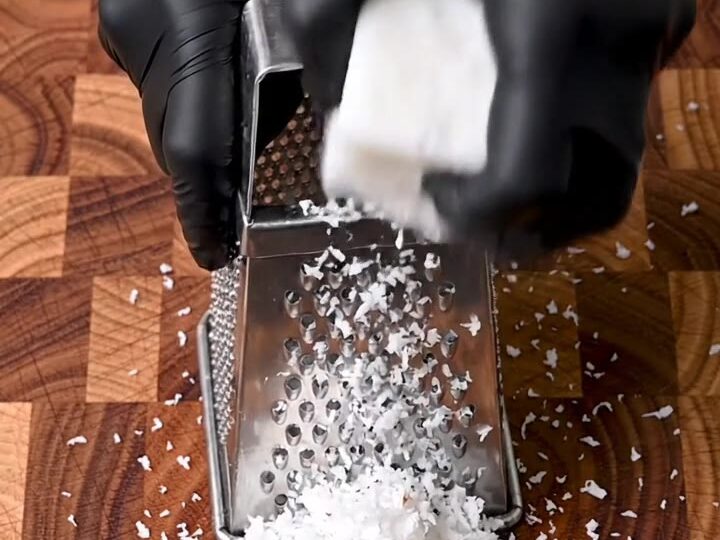
Pat the mahi-mahi fillets dry with paper towels and keep them cold in the refrigerator until the moment you coat them. Grate the shredded coconut on the rasp grater over a board or large plate so it lands in a fine, even pile. Pour the oil into a measuring cup and keep the cast iron skillet, tongs and fish spatula within reach of the stove.
Ingredients at a glance (7)
- 1 1/2 lb mahi-mahi fillets, fresh, patted dry
- 1 cup shredded coconut, unsweetened
- 1/4 cup neutral cooking oil, such as canola or vegetable oil
- 1 ripe mango, peeled and diced
- 1/4 red onion, finely diced
- 2 limes, halved, plus a squeeze of juice for the salsa
- kosher salt, to taste
Instructions
Salsa and coating are ready
- Prepare the mango salsaDice the mango and the red onion finely and place them in a bowl. Add a squeeze of lime juice from one of the halved limes and toss gently. Keep the salsa at room temperature until the fish is ready, and warm it in the pan later.Look for The mango and onion are evenly diced with bright, fresh-smelling lime juice coating them.Tip Choose a mango that gives slightly when pressed, so the dice keep their shape in the pan.
- Pat the fish dryLay the mahi-mahi fillets on a clean cutting board and pat both sides dry with paper towels. Season them lightly with kosher salt on both sides. Keep the fillets cold in the refrigerator until you are ready to coat them.Look for The fillet surfaces look matte and feel dry to the touch, with no wet sheen.Tip Dry fish coats better, so the coconut sticks instead of sliding off.
At the end of the first phase, the mango and red onion are diced and tossed with lime, and the salsa looks bright and fresh in its bowl. The fillets are patted dry, lightly salted and chilled, with no visible moisture on their surfaces.
The coconut sits in a fine, fluffy pile on the board, free of large clumps. Before you go on, check that the fish is dry and the coconut is finely grated, because both affect how well the crust forms. Set the coated plate and the oil beside the stove so the frying can start without any pause or delay.
Crust is pressed and set
- Grate the coconut crustSet a rasp grater over the board and grate the shredded coconut over the board until a fine, fluffy pile forms. Spread the coconut out so it is evenly thick on the board for coating.Look for The coconut looks fine, light and fluffy, with no large clumps left.Tip Rasp grating breaks the coconut into a finer texture that browns more evenly.
- Press the fillets in coconutPress each mahi-mahi fillet firmly into the coconut pile, turn it over, and press again so the coconut adheres on both sides. Shake off any loose coconut and set the coated fillets on a clean plate.Look for Both sides of each fillet are evenly covered with a thick, dense layer of coconut.Tip Press firmly so the coating stays attached during frying.
- Heat the oil in the skilletPour the neutral cooking oil into the cast iron skillet and set it over medium-high heat. Heat until the oil shimmers and moves easily across the pan, which takes a few minutes. Keep the coated fillets on the plate until the oil is ready.Look for The oil shimmers across the surface of the pan and tiny ripples move when the pan tilts.Tip Shimmering oil means the pan is hot enough to crisp the coconut right away.
- Shallow-fry the coconut filletsLay the coated fillets carefully into the hot oil, working in batches if needed so the pan is not crowded. Fry until the coconut crust turns golden brown and the oil bubbles steadily around the fish, about 3 to 4 minutes per side. Use a fish spatula to turn them once.Look for The coconut crust is deep golden and the oil bubbles steadily around the edges of each fillet.Safe temperature 145°F (63°C) internal temperature (fish)Tip Do not move the fillets while they fry, so the crust can set and brown.
At the end of the second phase, each fillet is covered on both sides with a thick, even layer of coconut that holds firmly when you lift it. The oil in the skillet shimmers and ripples when the pan is tilted. As the fillets go into the hot oil, they should sizzle at once and the oil should begin to bubble around the edges. Turn each fillet once the underside is golden, and look for an even, deep gold crust on both sides before you move on to the salsa and the final basting.
Salsa warmed and fish plated
- Warm the salsa in the panSpoon the mango and red onion salsa into the skillet beside the fish. Warm it for about 1 minute, stirring gently. Squeeze a little more lime juice over the salsa and remove the pan from the heat.Look for The salsa is warm to the touch, with the lime juice brightening its smell.Tip Warm the salsa only briefly so the mango keeps its fresh texture.
- Baste, then plate and serveUse tongs to turn the fillets and baste them with the hot oil while the crust finishes. Transfer each fillet to a plate, spoon the warm mango salsa alongside, and serve with the remaining lime halves for squeezing.Look for The coconut crust is crisp and golden on the top and bottom of each piece.Tip Serve the fish right away so the coconut stays crisp.
At the end of the third phase, the fish has a crisp golden crust on both sides and the salsa is warm, glossy and fragrant with lime. The fillets should look evenly browned, with no pale patches of coconut. Lift one fillet gently to check that the flesh is opaque and flakes easily, and that the thickest part has reached the safe temperature. Plate the fish while the crust is still crisp, then spoon the warm salsa alongside. Serve straight away so the coconut stays crunchy and the salsa keeps its fresh flavor.
Common mistakes
The most common mistake is frying in oil that is not hot enough. If the oil is only lukewarm, the coconut absorbs it, turns soft and slides off the fish rather than crisping. Wait until the oil shimmers before adding the fillets. The second mistake is crowding the pan. Too many fillets at once cool the oil and steam the crust instead of browning it, so fry in batches.
A third mistake is pressing too lightly. A loose coating falls off in the pan and leaves bare patches of fish that stick and burn. Press firmly on both sides. Finally, do not move the fillets while they fry. Let the crust set and brown before you turn them, and turn each one only once.
How to tell it’s done
Mahi-mahi is done when the coconut crust is deep golden on both sides and the flesh has turned opaque white all the way through. When you press the thickest part with a fork or a fish spatula, the flesh should flake easily and look moist rather than glassy.
For food safety, the fish must reach an internal temperature of 145°F (63°C) in its thickest part, measured with an instant-read thermometer. If the crust is browning too fast before the center is cooked, lower the heat slightly, cover the pan for a minute and let the fish finish gently.
- Fish: 145°F (63°C) in the thickest part
Up next · Part 3 of 3
4 variations · storage & make-ahead · 5 answers · printable card
Tips, FAQ & printable recipe (Part 3)← Back to the ingredients (Part 1)