Dinner · Part 3 of 3: Tips & recipe card
Coconut Crusted Mahi Mahi with Mango Chili Salsa in a Skillet Tips, FAQ & printable recipe
- Prep
- Cook
- Total
- Serves
- 4
Tips for success
For the best crust, use freshly grated coconut rather than dried. The moisture in fresh coconut helps the coating adhere and toast to a deeper golden color.
If using dried coconut, look for unsweetened, and consider toasting it in a dry skillet for a few minutes to deepen its flavor before mixing with the panko.
When pan-frying, maintain a steady medium heat. If the skillet gets too hot, the crust will brown before the fish cooks through.
If it's too cool, the crust will absorb fat and become heavy. A cast iron skillet is ideal because it holds heat evenly, but any heavy-bottomed skillet will work.
Variations
- Spicy Mango Salsa: Add an extra minced chili or a pinch of cayenne to the salsa for more heat. For a smoky note, use a chipotle chili in adobo, minced finely, and reduce the lime juice to balance the flavor.
- Coconut-Lime Crust: Add the zest of one lime to the coconut-panko mixture before coating the fish. This brightens the crust and pairs beautifully with the mango salsa. You can also add a pinch of ground coriander for a warm spice note.
- Grilled Version: Instead of pan-frying, grill the breaded fish over medium-high heat for 3-4 minutes per side, until cooked through. Brush the grill grates with oil to prevent sticking. The coconut crust will char slightly, adding a smoky flavor.
- Mango Salsa with Avocado: Fold one diced ripe avocado into the salsa just before serving. The creamy avocado complements the crunchy fish and adds richness. Adjust the lime juice and salt to taste.
Storage and make-ahead
- Fridge
- Store leftover cooked fish in an airtight container in the refrigerator for up to 2 days. Keep the salsa separately and use within 1 day for best texture.
- Freezer
- Freeze cooked fish in a single layer on a baking sheet, then transfer to a freezer-safe container for up to 1 month.
- Reheat
- Reheat in a 350°F (175°C) oven for 8-10 minutes, or until hot and crisp. Avoid microwaving, which can make the crust soggy.
Leftover cooked fish can be stored in an airtight container in the refrigerator for up to 2 days. The salsa is best eaten fresh but can be stored separately for up to 1 day.
Reheat the fish in a 350°F (175°C) oven for about 8 minutes, or until warmed through, to preserve the crispness of the crust.
The mango salsa can be made up to 4 hours ahead and kept refrigerated. The coconut-panko mixture can be prepared a day in advance and stored in an airtight container.
Bread the fish just before cooking to keep the crust from becoming soggy.
Serving ideas
Serve the coconut crusted mahi mahi hot, with the mango salsa spooned generously over the top. A side of rice or a simple green salad complements the dish well. The salsa provides a refreshing contrast to the rich, buttery crust.
For a more substantial meal, serve the fish over a bed of coconut rice or with roasted vegetables. A squeeze of lime over the finished dish brightens the flavors. This recipe is also delicious with a side of black beans or a simple slaw.
Frequently asked questions
Can this recipe be made with frozen mahi mahi?
What is the best way to grate fresh coconut?
Can the coconut crust be made without panko?
How do you know when the fish is cooked through?
Can the salsa be made ahead of time?
Coconut Crusted Mahi Mahi with Mango Chili Salsa in a Skillet
Ingredients
- 4 mahi-mahi fillets (6 oz each)
- 1/2 tsp kosher salt
- 1/4 tsp black pepper
- 1 cup freshly grated white coconut meat
- 1/2 cup panko breadcrumbs
- 2 large eggs, beaten
- 2 tbsp unsalted butter
- 2 tbsp neutral oil (such as canola or grapeseed)
- 1 ripe golden mango, diced
- 1/2 cup red onion, finely diced
- 1 fresh red chili, minced (such as Fresno or jalapeño)
- 2 tbsp fresh lime juice
- 1/4 cup fresh cilantro, chopped
Instructions
- Dice the golden mango into small, even cubes and finely dice the red onion. Mince the fresh red chili, removing seeds for less heat if desired. Combine in a bowl with the lime juice and chopped cilantro. Stir gently and set aside. Pat the mahi-mahi fillets dry with paper towels and season both sides with the kosher salt and black pepper.
- Using a box grater, grate the firm block of fresh white coconut meat into a pile of fluffy shreds. Measure 1 cup of the grated coconut and place it in a shallow dish. Mix in the panko breadcrumbs with your fingers until evenly combined.
- Place the beaten eggs in a wide, shallow bowl. Set the coconut-panko mixture next to it. One at a time, dip each seasoned mahi-mahi fillet into the egg, letting the excess drip off, then press both sides into the coconut-panko mixture until evenly coated. Transfer to a plate.
- Place a cast iron skillet over medium heat and add the butter and neutral oil. Swirl the pan as the butter melts and the oil shimmers. The fat should be hot but not smoking — a pinch of panko dropped in should sizzle immediately.
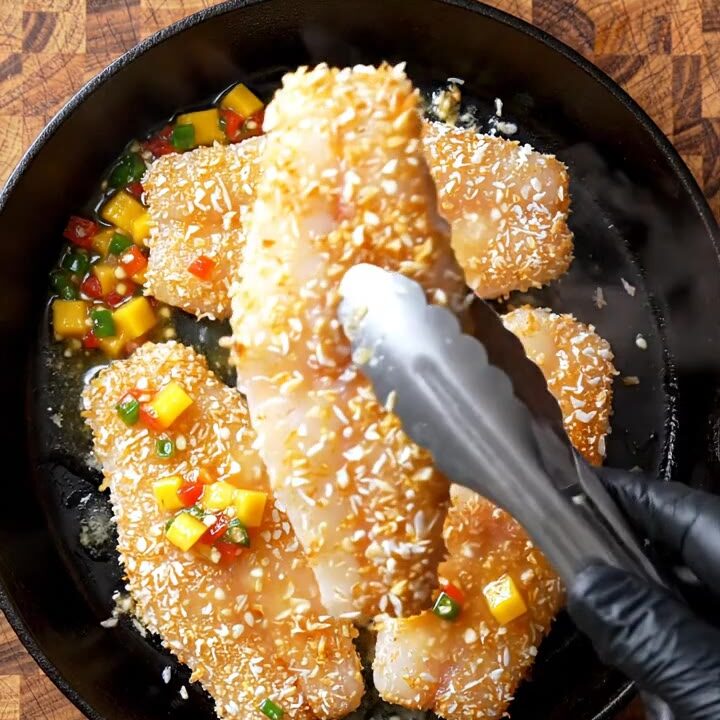
- Carefully lay the coated fillets in the hot skillet, leaving space between them. Cook without moving for 3 to 4 minutes, until the underside is deeply golden and the crust is set. Using a fish spatula, flip each fillet and cook for another 3 to 4 minutes, basting with the butter in the pan as they cook.
- Continue cooking until the fish is opaque and flakes easily with a fork, and an instant-read thermometer inserted into the thickest part registers 145°F (63°C). Transfer the fillets to a serving platter and let them rest for 1 to 2 minutes.
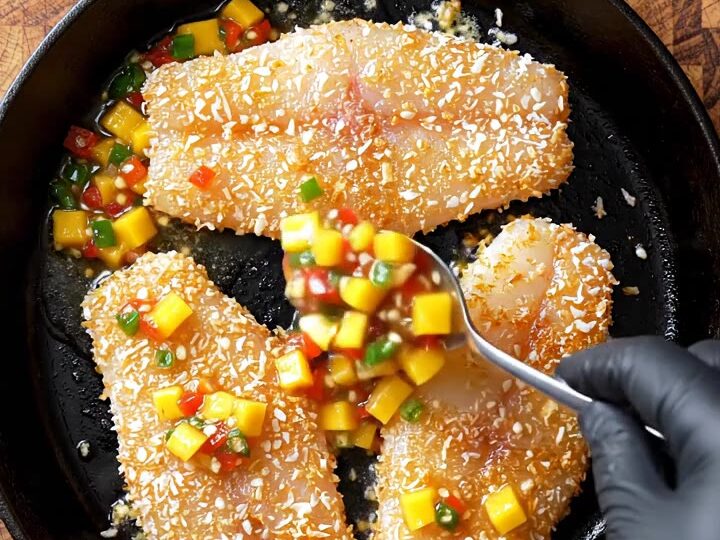
- Spoon the fresh mango chili salsa generously over the hot fish fillets. Squeeze additional lime juice over the top if desired. Serve immediately, making sure each portion gets some of the bright salsa and a buttery spoonful from the pan.
Estimated nutrition per serving
- Calories
- 420
- Protein
- 34 g
- Carbohydrates
- 18 g
- Fat
- 24 g
Next recipe
Garlic Butter Clams and Prawn Skillet with White Wine
See the recipe → →This recipe is based on a short cooking video and is published under the pen name Clara Weller. It was checked before publication, but errors can slip through. Nutrition, when shown, is an estimate. Read more in our editorial policy and on our food safety page.
More recipes to try

Crispy Skillet Eggplant Parm with Molten Burrata
Total time: 55 min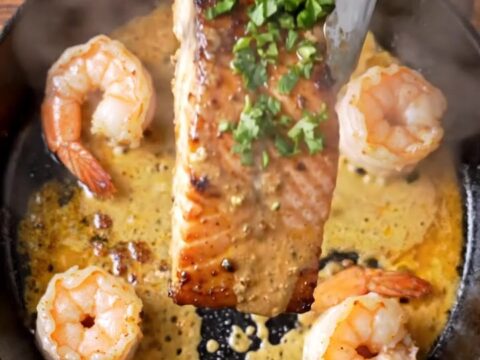
Blackened Salmon and Shrimp Skillet with Creamy Cajun Sauce
Total time: 35 min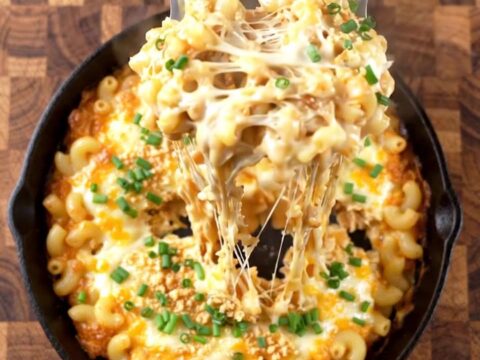
Truffle Four Cheese Mac with Crispy Panko Cauliflower
Total time: 55 min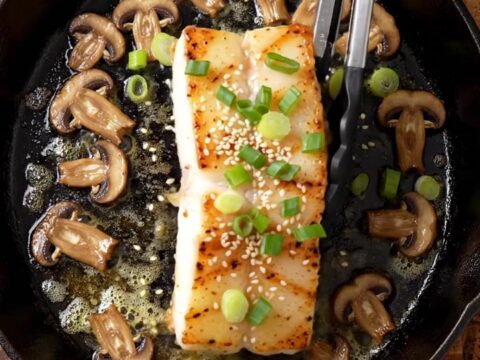
Miso Butter Halibut with Shiitake and Bok Choy
Total time: 25 min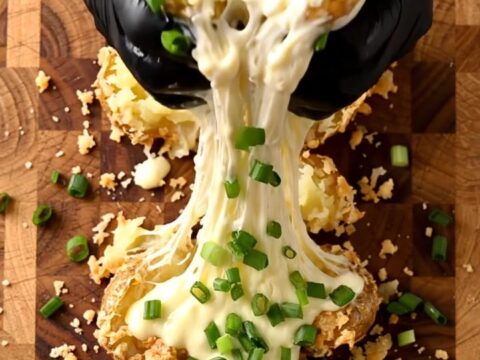
Crispy Smashed Potatoes with Melty Raclette Cheese Skillet
Total time: 50 min