Dinner · Part 2 of 3: Instructions
Coconut Crusted Mahi Mahi with Mango Chili Salsa in a Skillet Step-by-step instructions
- Prep
- Cook
- Total
- Serves
- 4
Before you start
Before cooking, dice the mango and onion, mince the chili, and chop the cilantro. Combine these with lime juice in a bowl and set aside. Grate the coconut using a box grater and mix with panko in a shallow dish.
Beat the eggs in another shallow bowl. Pat the fish dry and season with salt and pepper. Have all the breading components ready before you start heating the skillet.
Ingredients at a glance (13)
- 4 mahi-mahi fillets (6 oz each)
- 1/2 tsp kosher salt
- 1/4 tsp black pepper
- 1 cup freshly grated white coconut meat
- 1/2 cup panko breadcrumbs
- 2 large eggs, beaten
- 2 tbsp unsalted butter
- 2 tbsp neutral oil (such as canola or grapeseed)
- 1 ripe golden mango, diced
- 1/2 cup red onion, finely diced
- 1 fresh red chili, minced (such as Fresno or jalapeño)
- 2 tbsp fresh lime juice
- 1/4 cup fresh cilantro, chopped
Instructions
Prep the Salsa and Coat the Fish
- Prep the Salsa and FishDice the golden mango into small, even cubes and finely dice the red onion. Mince the fresh red chili, removing seeds for less heat if desired. Combine in a bowl with the lime juice and chopped cilantro. Stir gently and set aside. Pat the mahi-mahi fillets dry with paper towels and season both sides with the kosher salt and black pepper.Look for The salsa is bright and chunky, the fish is evenly seasoned.Tip Keep the mango pieces about 1/4 inch for a salsa that clings to the fish.
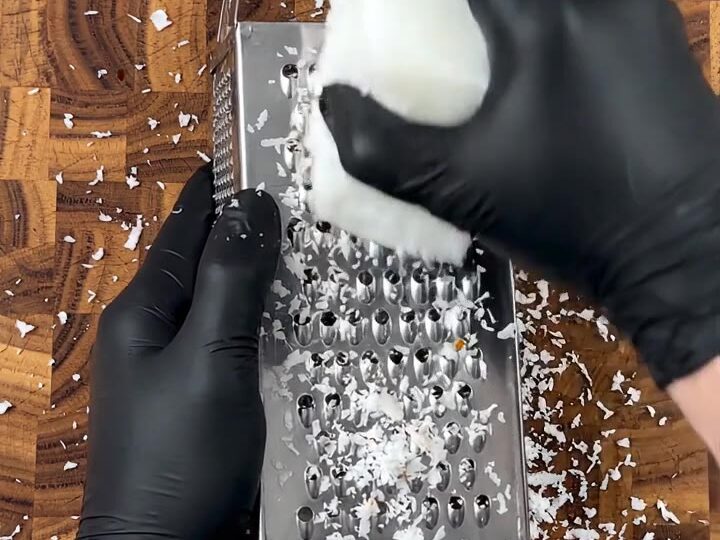
- Grate the CoconutUsing a box grater, grate the firm block of fresh white coconut meat into a pile of fluffy shreds. Measure 1 cup of the grated coconut and place it in a shallow dish. Mix in the panko breadcrumbs with your fingers until evenly combined.Look for The coconut shreds are light and airy, not wet or clumpy.Tip A firm, fresh coconut grates more easily than a soft one. Avoid the brown skin.
- Set Up the Breading StationPlace the beaten eggs in a wide, shallow bowl. Set the coconut-panko mixture next to it. One at a time, dip each seasoned mahi-mahi fillet into the egg, letting the excess drip off, then press both sides into the coconut-panko mixture until evenly coated. Transfer to a plate.Look for Each fillet is fully coated with a thick, even crust.Tip Press the coating gently but firmly so it adheres during cooking.
At the end of this phase, the salsa should be bright and chunky, with the mango cubes intact. The fish fillets are evenly seasoned and coated in a thick, even layer of coconut-panko. The breading station is set up and ready for the skillet.
Pan-Fry to Golden Perfection
- Heat the SkilletPlace a cast iron skillet over medium heat and add the butter and neutral oil. Swirl the pan as the butter melts and the oil shimmers. The fat should be hot but not smoking — a pinch of panko dropped in should sizzle immediately.Look for The butter foams then subsides; the oil shimmers.Tip Medium heat prevents the crust from burning before the fish cooks through.
- Pan-Fry the FishCarefully lay the coated fillets in the hot skillet, leaving space between them. Cook without moving for 3 to 4 minutes, until the underside is deeply golden and the crust is set. Using a fish spatula, flip each fillet and cook for another 3 to 4 minutes, basting with the butter in the pan as they cook.Look for The first side is golden brown and releases easily from the pan.Safe temperature 145°F (63°C) internal temperature (fish)Tip If the crust sticks, give it another minute — it will release when properly browned.
- Finish Cooking to TemperatureContinue cooking until the fish is opaque and flakes easily with a fork, and an instant-read thermometer inserted into the thickest part registers 145°F (63°C). Transfer the fillets to a serving platter and let them rest for 1 to 2 minutes.Look for The crust is deeply golden and the fish is opaque throughout.Safe temperature 160°F (71°C) internal temperature (egg dishes)Tip Don't overcook — the fish will continue to carry over heat while resting.
The skillet should be hot enough that the butter foams and the oil shimmers. The fish sizzles immediately when added.
After a few minutes, the underside is a deep golden brown and the crust is crisp. The fish releases easily from the pan when flipped.
Top and Serve
- Top with Salsa and LimeSpoon the fresh mango chili salsa generously over the hot fish fillets. Squeeze additional lime juice over the top if desired. Serve immediately, making sure each portion gets some of the bright salsa and a buttery spoonful from the pan.Look for The salsa is vibrant against the golden crust.Tip Warm the salsa slightly in the pan for a few seconds if you prefer it less cold.
The cooked fish is transferred to a platter and topped generously with the mango salsa. The salsa is vibrant and fresh against the golden crust. A final squeeze of lime brightens everything. The dish is ready to serve immediately.
Common mistakes
A common mistake is using a skillet that isn't hot enough, which makes the crust absorb oil and turn greasy instead of crisp. Another is moving the fish too soon — the crust needs time to set and release from the pan.
Overcrowding the skillet can also lower the temperature and cause uneven browning. Cook in batches if necessary, and keep the cooked fillets warm on a rack in a low oven.
How to tell it’s done
The fish is done when the crust is deeply golden brown and the interior is opaque and flakes easily with a fork. An instant-read thermometer inserted into the thickest part of the fillet should register 145°F (63°C).
The fish will continue to carry over heat while resting, so remove it from the pan just before it reaches that temperature if you prefer.
- Fish: 145°F (63°C) in the thickest part
- Egg dishes: 160°F (71°C) in the thickest part
Up next · Part 3 of 3
4 variations · storage & make-ahead · 5 answers · printable card
Tips, FAQ & printable recipe (Part 3)← Back to the ingredients (Part 1)