Desserts · Part 3 of 3: Tips & recipe card
Cloud-Like Japanese Chocolate Souffle Cheesecake Tips, FAQ & printable recipe
- Prep
- Cook
- Total
- Serves
- 8
Tips for success
To achieve the cleanest slices, use a hot, dry knife for each cut. Briefly run the knife under hot water and wipe it dry between slices to prevent the chocolate from dragging and tearing the delicate crumb of the cake. This technique ensures that each piece displays the beautiful airy structure of the souffle cheesecake perfectly, highlighting the quality of the bake.
If the cake begins to brown too quickly on top before it is fully set, you can loosely tent the top of the pan with a piece of aluminum foil. This prevents the surface from darkening excessively while allowing the center to finish cooking gently.
Remember to keep the water bath topped up if it evaporates during the long bake, as this moisture is crucial for the cake's final texture.
Variations
- Matcha Souffle Cheesecake: Substitute the dark chocolate with white chocolate and fold in two tablespoons of high-quality matcha powder into the cream cheese base for a vibrant green, earthy flavor profile.
- Citrus Infused: Add one teaspoon of freshly grated lemon or orange zest to the chocolate batter for a bright, aromatic lift that complements the richness of the dark chocolate.
Storage and make-ahead
- Fridge
- Store in an airtight container in the refrigerator for up to 2 days.
- Reheat
- Serve at room temperature; do not reheat as it will deflate the souffle structure.
Store any leftovers in an airtight container to prevent the cake from drying out. Because of the souffle structure, it is best enjoyed within two days of baking.
Keep the container in a cool place, though refrigeration is necessary for food safety due to the egg and dairy content. If you prefer to eat it at room temperature, take it out of the fridge about 30 minutes before serving to let it soften slightly.
This cake is best served fresh but can be made a few hours in advance. If you need to prepare it earlier, keep it in the refrigerator and allow it to come to room temperature before serving to restore the airy texture.
It does not hold up well to long-term storage as the souffle structure will naturally settle and lose its signature wobble over time, so plan to serve it on the same day it is baked.
Serving ideas
Serve this chocolate souffle cheesecake at room temperature or slightly chilled, depending on your preference. It pairs beautifully with a light dusting of cocoa powder or a few fresh berries to add a touch of acidity that cuts through the richness of the chocolate. Avoid heavy toppings like whipped cream, as they can overwhelm the delicate, cloud-like texture of the cake itself.
For a more elegant presentation, serve each slice on a warmed plate. The warmth helps to keep the chocolate notes vibrant and maintains the soft, melt-in-the-mouth quality of the cake.
Whether enjoyed with a cup of coffee or as a standalone dessert, the focus should remain on the contrast between the light, airy interior and the rich, decadent chocolate flavor that defines this Japanese-style treat.
Frequently asked questions
Why did the cheesecake crack on top?
Can this be made without a springform pan?
How can the wobble be maintained?
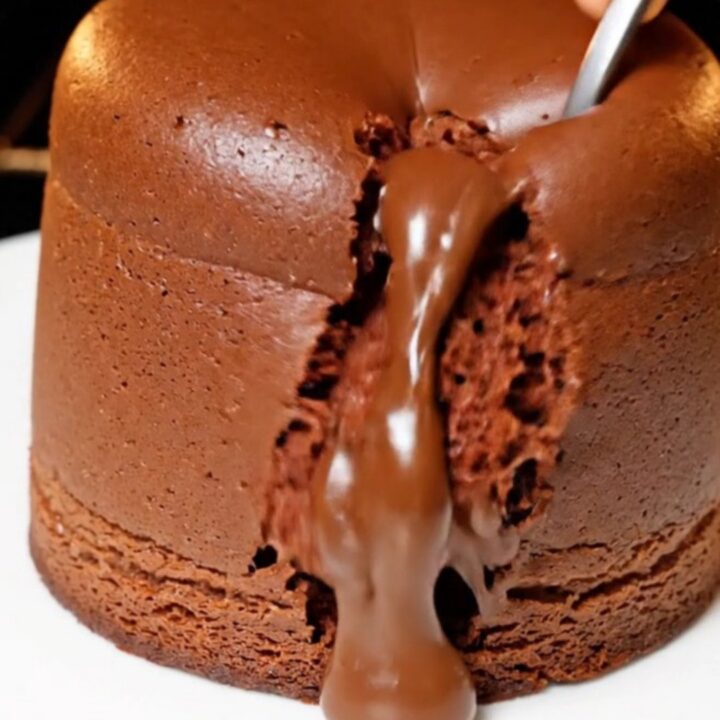
Cloud-Like Japanese Chocolate Souffle Cheesecake
Ingredients
- 8 oz cream cheese, softened
- 4 oz dark chocolate, chopped
- 2 tbsp butter
- 1/2 cup milk
- 6 large egg yolks
- 6 large egg whites
Instructions
- Combine the cream cheese, dark chocolate, butter, and milk in a heat-proof bowl. Melt the mixture together over a double boiler until smooth and glossy. Remove from heat and whisk in the six egg yolks until fully incorporated.
- In a separate clean bowl, beat the six egg whites using an electric mixer until soft peaks form. Gently fold the whipped egg whites into the warm chocolate cream cheese mixture in three additions, being careful not to deflate the air.
- Pour the batter into an 8-inch springform pan. Place the pan in a larger baking dish filled with hot water to create a water bath. Bake at 320 degrees Fahrenheit (160 degrees Celsius) for 50 minutes until the center is set. To ensure the eggs are fully cooked, the internal temperature must reach 160 degrees Fahrenheit (71 degrees Celsius).
Estimated nutrition per serving
- Calories
- 280
- Protein
- 6.5 g
- Carbohydrates
- 18 g
- Fat
- 21 g
- Fiber
- 1.5 g
- Sugar
- 14 g
- Sodium
- 150 mg
Next recipe
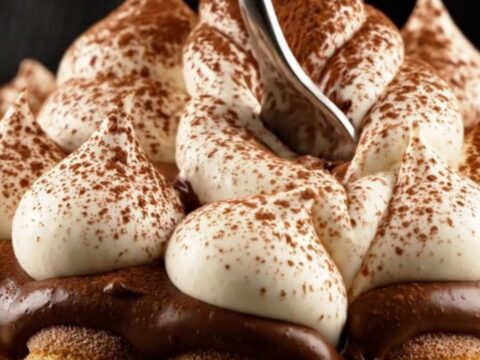
Espresso Tiramisu Tart with Dark Chocolate Ganache
See the recipe → →This recipe is based on a short cooking video and is published under the pen name Clara Weller. It was checked before publication, but errors can slip through. Nutrition, when shown, is an estimate. Read more in our editorial policy and on our food safety page.
More recipes to try
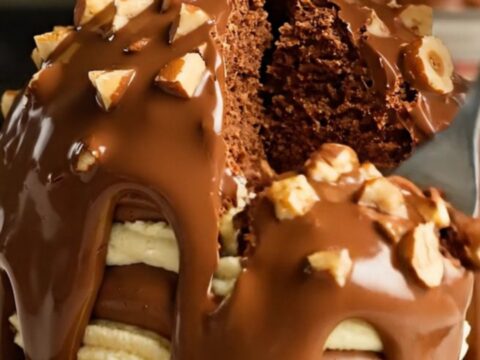
Giant Ferrero Rocher Dome Cake for Celebrations
Total time: 3 h 5 min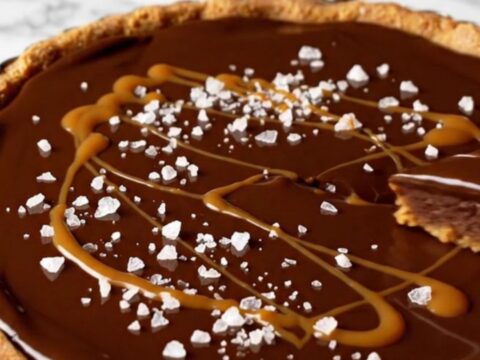
No-Bake Biscoff Dark Chocolate Ganache Tart
Total time: 2 h 20 min
Avocado Dark Chocolate Mousse with Mirror Glaze
Total time: 1 h 20 min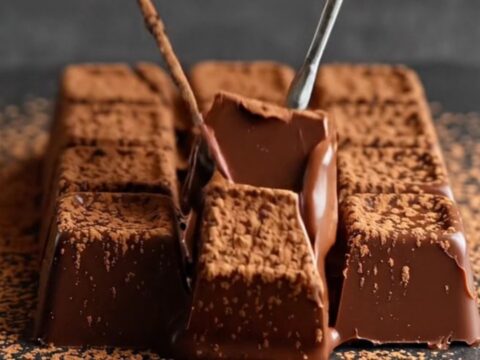
2-Ingredient Cocoa Condensed Milk Truffles
Total time: 2 h 20 min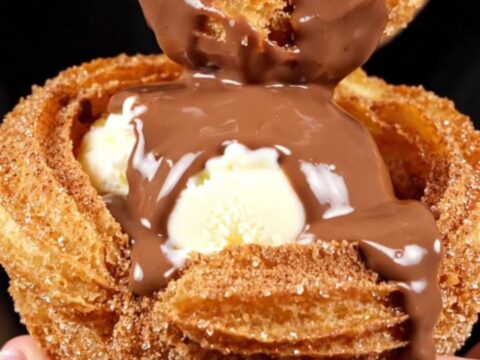
Crispy Edible Churro Bowls with Mexican Chocolate
Total time: 35 min