Desserts · Part 3 of 3: Tips & recipe card
Classic Banana Pudding with Vanilla Wafers Tips, FAQ & printable recipe
- Prep
- Cook
- Total
- Serves
- 12
Tips for success
To keep banana slices from browning, you can toss them in a small amount of lemon juice before layering, although this is optional. The acid helps preserve the color and adds a slight brightness that complements the sweetness of the pudding. Ensure the juice is minimal so it does not alter the overall flavor profile or consistency of the dish.
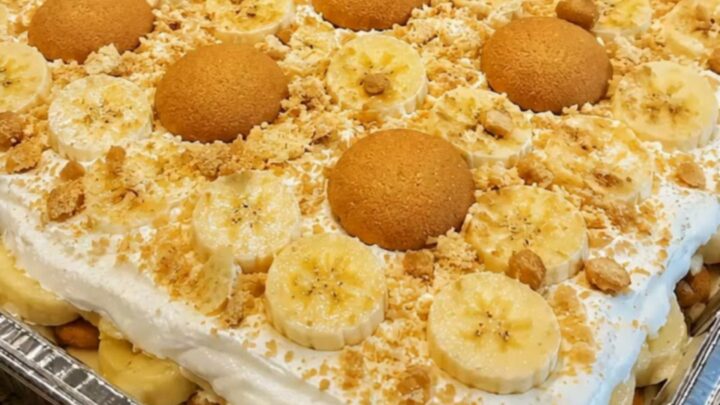
If you prefer a more decorative presentation, you can save a few vanilla wafers to crush and sprinkle over the top of the whipped cream just before serving.
This adds an extra layer of texture and visual appeal. Alternatively, pipe the whipped cream in decorative swirls to give the dessert a more professional look suitable for special occasions or gatherings.
Variations
- Chocolate Banana Pudding: Replace the vanilla pudding with chocolate pudding and use chocolate-covered vanilla wafers to create a decadent, cocoa-forward version of this classic dessert.
- Tropical Banana Pudding: Add a layer of shredded coconut and substitute a portion of the bananas with sliced fresh pineapple for a refreshing, tropical twist on the traditional recipe.
Storage and make-ahead
- Fridge
- Keep refrigerated at all times when not serving. Store for up to 3 days in an airtight container.
Store any leftovers in the refrigerator, covered tightly with plastic wrap or in an airtight container. Because the dish contains dairy and fresh fruit, it is important to keep it cold to maintain freshness.
Consume the dessert within two to three days for the best quality, as the wafers will continue to soften and the bananas may lose their texture over time.
This dish is perfect for making ahead, as it benefits from the chilling time. You can assemble the entire pudding up to twenty-four hours in advance, keeping it refrigerated until you are ready to serve.
This allows the flavors to deepen significantly. If you plan to add a fresh garnish like crushed wafers, do so right before serving to keep them crisp.
Serving ideas
Serve the banana pudding cold directly from the refrigerator using a large serving spoon. A deep scoop is best to capture all the layers in one go. You can serve it in individual dessert bowls or directly from the pan. Providing a small side of extra whipped cream is a nice touch for those who enjoy additional creaminess with their portion.
When serving, try to cut through the layers cleanly with your spoon to ensure every guest gets a portion that includes the pudding, bananas, and wafers.
This ensures the intended experience is delivered in every bite. If the dessert has been refrigerated for a long time, let it sit at room temperature for just a few minutes to make scooping easier.
Frequently asked questions
Can this be made ahead of time?
How can the bananas be kept from turning brown?
What is the best way to serve this pudding?
Classic Banana Pudding with Vanilla Wafers
Ingredients
- 2 cups vanilla pudding, prepared
- 4 medium bananas, sliced
- 12 oz vanilla wafers
- 2 cups whipped cream, store-bought or made ahead
Instructions
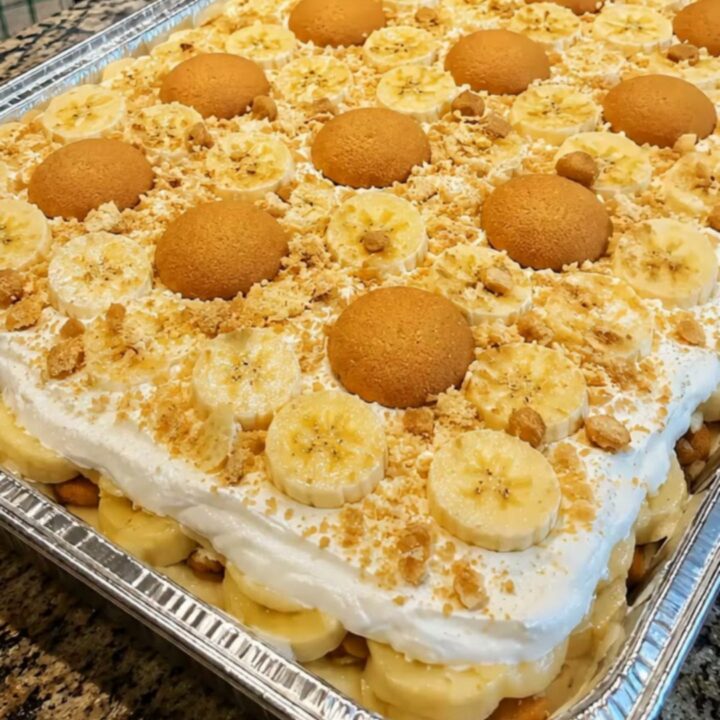
- Begin by spreading a thin layer of prepared vanilla pudding into the bottom of the foil pan. Arrange a single layer of vanilla wafers over the pudding, ensuring they cover the bottom surface evenly.
- Place a layer of sliced bananas over the wafers. Spoon additional pudding over the bananas and spread carefully. Continue to layer wafers, bananas, and pudding until the ingredients are used, finishing with a final layer of pudding.
- Spread the whipped cream evenly over the top layer of pudding. Refrigerate the assembled dish for at least two hours to allow the wafers to soften slightly and the flavors to meld. Serve chilled.
Estimated nutrition per serving
- Calories
- 350
- Protein
- 4.5 g
- Carbohydrates
- 52 g
- Fat
- 14 g
- Fiber
- 1.5 g
- Sugar
- 35 g
- Sodium
- 280 mg
Next recipe
Rich Chocolate Layered Dessert
See the recipe → →This recipe is based on a short cooking video and is published under the pen name Clara Weller. It was checked before publication, but errors can slip through. Nutrition, when shown, is an estimate. Read more in our editorial policy and on our food safety page.
More recipes to try
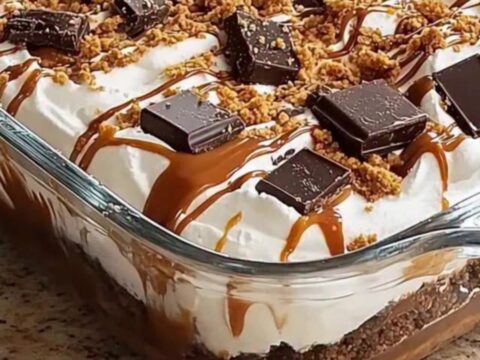
Layered Chocolate Caramel Dessert: An Easy No-Bake Treat
Total time: 2 h 25 min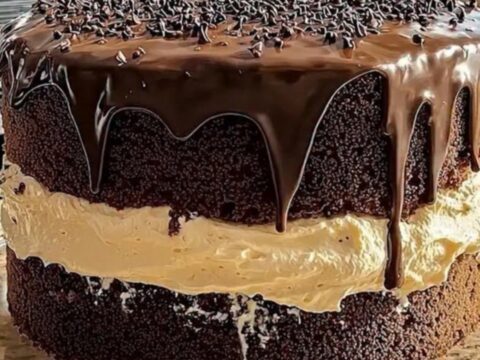
Decadent Double-Layer Chocolate Cake with Vanilla Cream
Total time: 2 h 15 min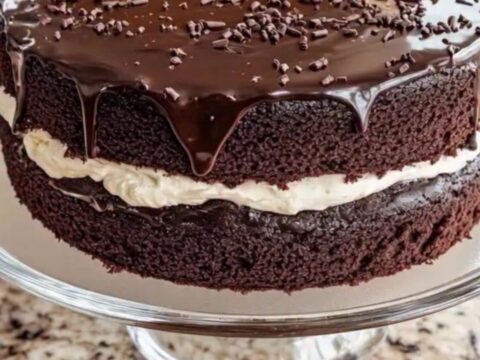
Rich Chocolate Layer Cake with Silky Ganache
Total time: 50 min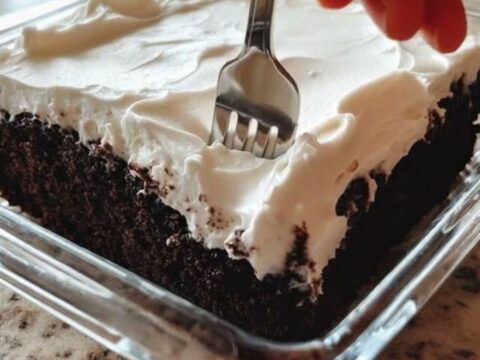
Moist Chocolate Wacky Cake with Fluffy Frosting
Total time: 10 min
Moist Ding Dong Strawberry Sheet Cake
Total time: 1 h 35 min