Dinner · Part 3 of 3: Tips & recipe card
Cheesy Garbage Bread for a Satisfying Warm Meal Tips, FAQ & printable recipe

- Prep
- Cook
- Total
- Serves
- 6
Tips for success
To add extra flavor, brush the top of the braid with a little bit of egg wash or melted butter before baking. This gives the bread a beautiful, glossy shine and enhances the golden color. You can also sprinkle a pinch of dried herbs or garlic powder on top for an aromatic finish.
If you prefer a bolder flavor, consider adding a teaspoon of Italian seasoning or some finely chopped onions to the beef while it browns.
These simple additions can elevate the profile of the dish significantly. Always ensure the filling is cooled slightly before placing it onto the dough to maintain the dough's structure.
Variations
- Spicy Beef Version: Add a tablespoon of diced jalapeños or a dash of crushed red pepper flakes to the beef while cooking. This provides a gentle heat that complements the rich mozzarella cheese perfectly.
- Vegetable Loaded: Sauté finely diced bell peppers and mushrooms with the beef. These vegetables add texture and moisture to the filling, creating a more complex flavor profile in every bite.
Storage and make-ahead
- Fridge
- Keep refrigerated for up to 3 days in an airtight container.
- Freezer
- Freeze the baked loaf, wrapped tightly in foil and plastic, for up to 2 months.
- Reheat
- Reheat slices in an oven at 350°F (175°C) until warmed through and the crust is crisp.
Store any leftover bread in an airtight container. Cool the leftovers at room temperature for no more than 2 hours before transferring them to the refrigerator. This ensures the food remains safe and maintains its quality for up to three days. For longer storage, freeze the bread to preserve the texture.
You can prepare the meat filling in advance and store it in the refrigerator for up to two days. When ready to serve, simply roll out the dough, assemble the braid, and bake as directed.
This approach saves time during busy evenings, allowing you to have a warm, fresh meal with minimal effort when you need it most.
Serving ideas
Serve this cheesy garbage bread warm, directly from the oven, to ensure the best cheese pull and texture.
It pairs perfectly with a side of marinara sauce for dipping, which adds a pleasant acidity that balances the richness of the meat and cheese. A simple green salad on the side makes for a complete and satisfying meal.
For a casual gathering, slice the bread into thick portions and arrange them on a large wooden board. This presentation is inviting and allows guests to help themselves easily.
If serving as an appetizer, you can cut the loaf into smaller, bite-sized pieces, ensuring each one has a good portion of the savory filling.
Frequently asked questions
Can the bread be made ahead of time?
What is the best way to prevent the bottom from getting soggy?
Can this be frozen after baking?
Cheesy Garbage Bread for a Satisfying Warm Meal

Ingredients
- 1 lb store-bought or made ahead bread dough
- 1 lb ground beef
- 2 cups shredded mozzarella cheese
Instructions
- Heat a skillet over medium-high heat and add the ground beef. Cook, breaking it up with a spatula, until the meat is browned and reaches an internal temperature of 160°F (71°C). Drain any excess grease from the pan and set aside.
- Roll out the bread dough on a floured surface into a rectangle. Spread the cooked ground beef down the center and top generously with the shredded mozzarella cheese. Cut strips along the sides of the dough and braid them over the filling, sealing the ends tightly.
- Transfer the braided bread to a baking sheet and bake in a preheated oven at 375°F (190°C) for about 20 to 25 minutes, or until the crust is golden brown and the cheese is melted. Let it rest for 5 minutes before slicing.
Estimated nutrition per serving
- Calories
- 450
- Protein
- 22 g
- Carbohydrates
- 35 g
- Fat
- 24 g
Next recipe

Creamy Beef Penne Pasta with Melted Mozzarella
See the recipe → →This recipe is based on a short cooking video and is published under the pen name Clara Weller. It was checked before publication, but errors can slip through. Nutrition, when shown, is an estimate. Read more in our editorial policy and on our food safety page.
More recipes to try

Sticky Oven Baked Hawaiian Chicken Thighs
Total time: 50 min
Easy Chicken Cordon Bleu Stromboli for a Crispy Cheesy Dinner
Total time: 45 min
Easy Homemade Sheet Pan Pepperoni Pizza
Total time: 50 min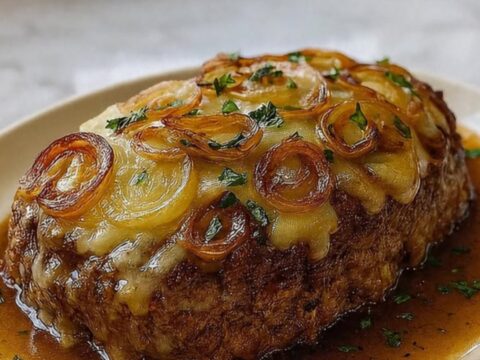
French Onion Meatloaf with Melted Cheese
Total time: 1 h 30 min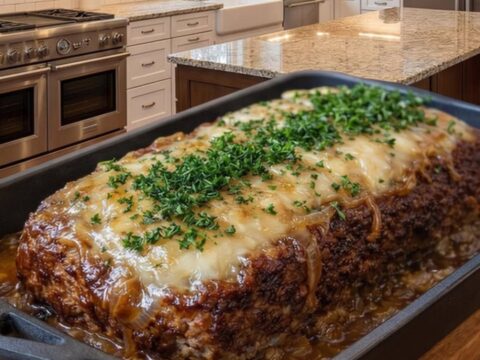
French Onion Meatloaf with Melted Gruyère Cheese
Total time: 1 h 30 min