Dinner · Part 3 of 3: Tips & recipe card
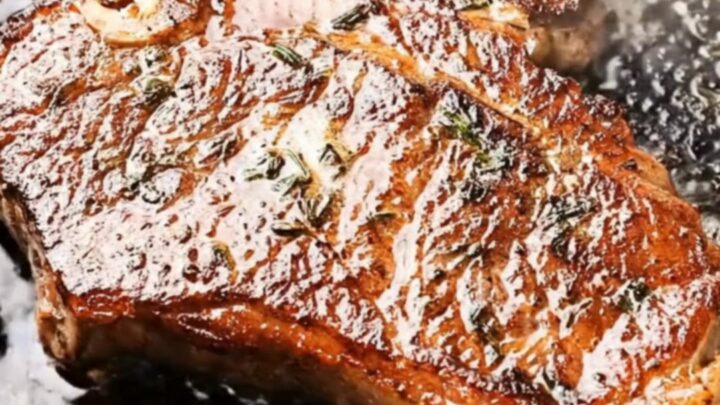
Cast Iron Ribeye with Herb-Garlic Butter, One Pan in 25 Minutes Tips, FAQ & printable recipe
- Prep
- Cook
- Total
- Serves
- 2
Tips for success
Salt the steak right before it meets the pan rather than far in advance unless an hour or more is available; a short window keeps the surface dry, while a long one draws moisture out.
If the butter begins to brown too aggressively during the baste, lower the heat and add a fresh tablespoon — burnt butter turns bitter fast and will coat the steak with that taste. Keep the garlic cloves whole and lightly crushed; minced garlic burns in the time it takes a steak to baste, while whole cloves perfume the butter gently instead.
Rendering the fat edge is worth the extra thirty seconds: tilt the steak on its side with the tongs and roll it around the pan until the fat cap turns golden and crisp. For deeper flavor, let the herbs sit in the foaming butter for a few seconds before basting so the fat takes on their perfume.
Resist crowding the pan — two steaks fit comfortably in a 12-inch skillet, but any more and the temperature drops, the sizzle fades, and the crust suffers. Cook in batches if needed.
Variations
- Bone-In Ribeye: Cook a bone-in ribeye the same way, allowing an extra minute per side and checking the temperature near the bone, where the meat cooks slowest. The bone adds depth to the pan butter and the presentation is hard to beat.
- Extra Garlic: Double the garlic cloves and add two peeled shallot halves to the butter baste. The shallots mellow and sweeten in the foaming butter, and the whole pan sauce turns richer and more aromatic.
- Dried Herb Version: Out of fresh herbs? Use 1 tsp dried rosemary and 1 tsp dried thyme added with the butter. Dried herbs bloom quickly in hot fat, so the baste still delivers plenty of flavor.
- Peppercorn Crust: Coarsely crack 1 tbsp black peppercorns and press them into the seasoned surface before searing. The crust comes out spicy and fragrant, especially good with the garlic butter spooned over.
Storage and make-ahead
- Fridge
- Refrigerate leftover steak and strained pan butter in airtight containers for up to 3 days; cool for no more than 2 hours before they go in.
- Freezer
- Wrap slices tightly in plastic wrap and foil, then freeze for up to 2 months. Thaw overnight in the refrigerator before reheating.
- Reheat
- Warm slices in a 250°F (120°C) oven on a rack for 10 to 15 minutes; avoid the microwave, which toughens the meat and dulls the crust.
Leftover steak keeps best sliced or whole in an airtight container in the refrigerator for up to 3 days, and the herbed pan butter can be strained into a small jar and refrigerated alongside it for up to a week. Cool everything for no more than 2 hours at room temperature before it goes into the refrigerator. The strained butter is excellent melted over eggs or roasted vegetables later in the week.
This is a cook-and-serve dish, but two things can be prepared ahead. The herb-garlic butter can be softened, mixed with the garlic and chopped herbs, rolled into a log and refrigerated up to 3 days ahead; slice it into the hot pan when needed.
The steak can be salted up to an hour in advance and left uncovered in the refrigerator, which dries the surface further and deepens the seasoning. Everything else — the sear, the baste and the rest — happens in the final twenty minutes.
Serving ideas
Serve the ribeye on warm plates with the pan butter spooned generously over each slice, and lay the softened rosemary and thyme sprigs alongside so the aroma reaches the table first.
A thick-cut steak like this pairs naturally with simply prepared sides: mashed potatoes, roasted asparagus, a crisp green salad with a sharp vinaigrette, or crusty bread to catch every drop of the herbed butter. Pour something with enough structure to stand up to the richness, such as a full-bodied red wine or a dark beer.
For a casual presentation, bring the whole rested steak to the table on a wooden board, slice it there, and spoon the warm butter over the slices in front of everyone; the steam and aroma do half the work. Slice thickness is a matter of taste, but generous slabs about half an inch wide keep the interior pink and juicy. Offer flaky salt at the table for anyone who likes an extra bright hit of seasoning on each bite, and warm the plates briefly so the butter stays liquid.
Frequently asked questions
How hot should the cast iron pan be before the steak goes in?
Can this be made without a cast iron skillet?
Why did the butter burn in the pan?
How thick should the ribeye be for this method?
Can the steak be cooked straight from the refrigerator?
Cast Iron Ribeye with Herb-Garlic Butter, One Pan in 25 Minutes
Ingredients
- 1 1/2 lb boneless ribeye steak, about 1 1/4 inches thick
- 2 tsp kosher salt, plus more to taste at the table
- 1 tsp coarsely ground black pepper, freshly cracked if possible
- 1 tbsp vegetable oil, or another neutral high-heat oil
- 4 tbsp unsalted butter, cut into pieces
- 3 garlic cloves, lightly crushed and peeled
- 2 sprigs fresh rosemary
- 4 sprigs fresh thyme
Instructions
- Blot the ribeye on all sides with paper towels until the surface feels completely dry, pressing into every crevice along the fat cap. Moisture steams instead of sears, so a bone-dry surface is what makes a dark crust possible.
- Season both faces and all four edges generously with kosher salt and coarsely ground black pepper, sprinkling from a few inches above so it falls evenly. A steak this thick needs full coverage on every side, edge included.
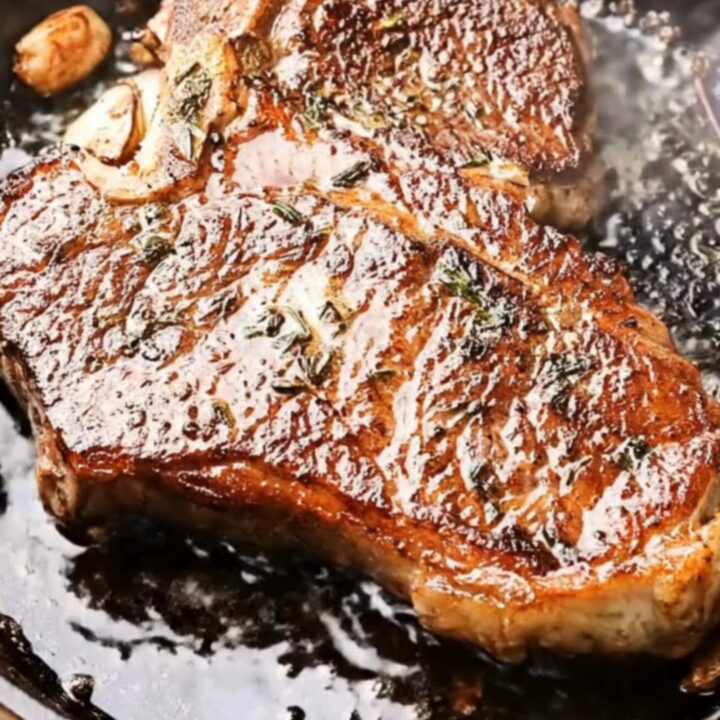
- Set a cast iron skillet over medium-high heat for 4 to 5 minutes, until it just begins to smoke. Add the vegetable oil, swirl to coat, and wait for it to shimmer and slide easily across the surface.
- Lay the steak into the pan away from you and press it down with the tongs for a few seconds so the full surface makes contact. Leave it completely undisturbed for 3 to 4 minutes while the crust forms.
- Flip the steak and sear the second side for another 3 to 4 minutes. Tilt it on its narrow edge with the tongs and roll it briefly around the pan so the fat cap renders and browns all the way around.
- Lower the heat to medium and add the butter, garlic, rosemary and thyme. Tilt the skillet and spoon the foaming herb-garlic butter over the steak continuously for 1 to 2 minutes, until an instant-read thermometer reads 145°F (63°C) at the thickest part. Lift the steak onto a plate and let it rest for at least 3 minutes before slicing, so the juices settle back into the meat.
- Lift the steak onto a clean plate or carving board with the tongs and let it rest for at least 3 minutes. The juices redistribute during the rest, so the slices stay moist instead of flooding the board the moment the knife goes in.
- Cut the rested steak against the grain into thick slices, arrange them on warm plates, and spoon the herbed pan butter over each slice. Serve immediately, while the crust is still crisp and the butter is still glossy.
Estimated nutrition per serving
- Calories
- 890
- Protein
- 54 g
- Carbohydrates
- 1 g
- Fat
- 71 g
- Sugar
- 0 g
- Sodium
- 920 mg
Next recipe

Crispy Chicken Shawarma Wrap with Garlic Toum
See the recipe → →This recipe is based on a short cooking video and is published under the pen name Clara Weller. It was checked before publication, but errors can slip through. Nutrition, when shown, is an estimate. Read more in our editorial policy and on our food safety page.
More recipes to try

Spicy Crispy Chicken Caesar Wrap Toasted in Avocado Oil
Total time: 35 min
Crispy Chicken Caesar Sandwich on Buttered Brioche
Total time: 25 min
Hot Honey Crispy Chicken Caesar Sandwich
Total time: 35 min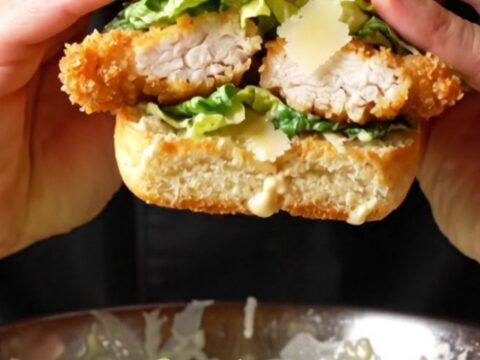
Lemon Herb Crispy Chicken Caesar Sandwich
Total time: 35 min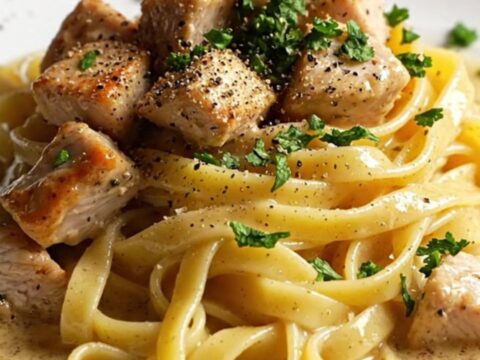
Creamy Garlic Parmesan Chicken Pasta in 15 Minutes
Total time: 15 min