Dinner · Part 2 of 3: Instructions
Cajun Garlic Butter Chicken Spaghetti: Creamy One-Pan Comfort Step-by-step instructions
- Prep
- Cook
- Total
- Serves
- 4
Before you start
Before turning on the stove, it is essential to have all your ingredients prepped and ready to go. This fast-moving recipe relies on a cooking technique where timing is everything. Start by slicing the chicken breasts into uniform strips and tossing them thoroughly in the Cajun seasoning.
Mince the garlic cloves and grate the mozzarella, parmesan, and cheddar cheeses into separate bowls. Having your ingredients measured and set aside ensures a smooth, stress-free cooking process, preventing the garlic from burning or the sauce from overcooking while you scramble to prepare the next step.
Ingredients at a glance (10)
- 12 oz spaghetti pasta
- 1 1/2 lb boneless skinless chicken breasts, sliced into strips
- 2 tbsp Cajun seasoning
- 4 tbsp unsalted butter, divided
- 4 cloves garlic, minced
- 1 1/2 cups heavy cream
- 1 cup shredded mozzarella cheese
- 1/2 cup grated parmesan cheese
- 1/2 cup shredded cheddar cheese
- 2 tbsp fresh parsley, finely chopped
Instructions
Pasta and Protein Preparation
- Boil the SpaghettiBring a large pot of salted water to a rolling boil over high heat. Add the spaghetti pasta and cook according to the package instructions until it reaches an al dente texture, which usually takes about 8 to 10 minutes. Drain the pasta thoroughly in a colander, reserving a half cup of the starchy cooking water, then set the drained pasta aside.Look for The pasta should be tender but still retain a slight bite in the center.Tip Do not rinse the cooked pasta, as the natural starches help the creamy sauce cling to the strands.
- Season the ChickenPat the sliced boneless skinless chicken breasts completely dry with paper towels. Place the chicken strips into a medium bowl and sprinkle them evenly with the Cajun seasoning, tossing thoroughly to ensure every single piece is completely coated with the spices. Keep the seasoned chicken refrigerated until the skillet is fully heated and ready for searing.Look for The chicken should be evenly coated with a deep reddish-orange spice layer.Tip Drying the chicken first ensures the spices adhere well and helps achieve a perfect golden sear.
At the end of this initial phase, the spaghetti should be cooked to a perfect al dente texture, drained, and set aside, while the chicken strips are completely coated in a uniform, vibrant layer of Cajun spices.
The kitchen should begin to smell of warm, earthy spices. The chicken must remain cold in the refrigerator until the skillet is fully heated, ensuring a safe and hygienic cooking process before the searing begins.
Searing the Chicken and Aromatics
- Sear the Cajun ChickenMelt two tablespoons of the unsalted butter in a large skillet over medium-high heat. Add the seasoned chicken slices in a single layer and sear without moving for 3 to 4 minutes to develop a dark crust. Flip and cook for another 3 to 4 minutes, until the chicken is cooked through and reaches an internal temperature of 165°F (74°C). Transfer the chicken to a plate to rest.Look for The chicken slices should have a beautiful, blackened crust and be firm to the touch.Safe temperature 165°F (74°C) internal temperature (poultry)Tip Avoid overcrowding the skillet; cook the chicken in batches if necessary to ensure a proper sear.
- Sauté the GarlicReduce the skillet heat to medium and add the remaining two tablespoons of unsalted butter to the pan juices. Once melted, add the minced garlic cloves and sauté for about 1 minute, stirring constantly with a wooden spoon or spatula to prevent burning, until the garlic becomes fragrant and lightly golden.Look for The garlic should smell rich and aromatic without turning dark brown or bitter.Tip Scrape up any browned bits left at the bottom of the pan from searing the chicken for extra flavor.
By the end of this phase, the chicken slices will have developed a beautiful, deeply caramelized Cajun crust and reached a safe internal temperature. The chicken is set aside to rest, leaving behind a rich, golden-brown fond in the skillet. The minced garlic has been sautéed in the remaining butter, releasing a highly fragrant, warm aroma throughout the kitchen without showing any signs of burning or darkening.
Sauce Assembly and Final Toss
- Build the Creamy Cheese SaucePour the heavy cream into the skillet with the garlic and butter, stirring to combine. Bring the mixture to a gentle simmer over medium heat. Gradually whisk in the shredded mozzarella cheese, grated parmesan cheese, and shredded cheddar cheese. Continue to stir constantly until all the cheeses are completely melted, smooth, and bubbling gently.Look for The sauce should be uniform, thick, glossy, and bubbling gently around the edges of the pan.Tip Add the cheese in small handfuls rather than all at once to ensure a perfectly smooth melt.
- Toss and GarnishAdd the cooked spaghetti to the bubbling cheese sauce, tossing gently with tongs to coat every strand. If the sauce is too thick, splash in a little reserved pasta water. Arrange the rested Cajun chicken slices on top of the pasta, garnish with the finely chopped fresh parsley, and serve immediately while hot.Look for The spaghetti should be fully coated in a decadent, glossy sauce with chicken resting on top.Tip Letting the pasta simmer in the sauce for thirty seconds helps it absorb the rich cheese flavors.
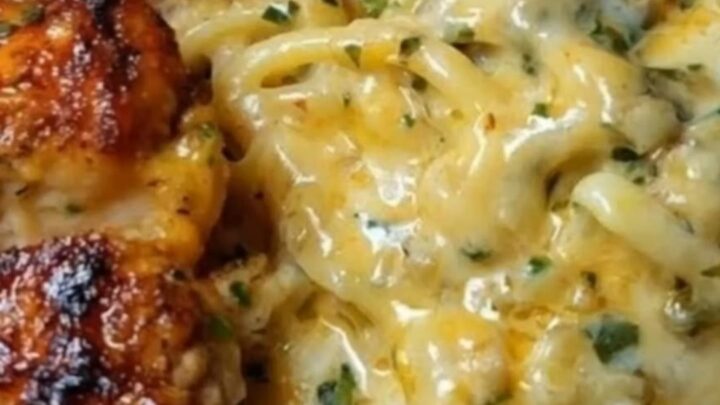
In this final phase, the heavy cream and three-cheese blend have melted together into a perfectly smooth, glossy, and bubbling sauce. The cooked spaghetti is thoroughly tossed in this decadent mixture, absorbing the rich cheese flavors. The rested Cajun chicken slices are arranged beautifully on top, finished with a fresh sprinkle of green parsley, creating a steaming, visually stunning comfort meal ready to be served.
Common mistakes
One of the most common mistakes when making this pasta is letting the garlic burn while sautéing. Minced garlic burns very quickly in hot butter, which imparts a bitter, unpleasant taste to the entire sauce. Keep a close eye on the heat and stir constantly.
Another mistake is letting the cream boil too vigorously after adding the cheeses. High heat can cause the dairy to split, separating the fat from the solids and leaving you with a greasy, broken sauce. Always melt the cheeses over low to medium heat, stirring continuously.
How to tell it’s done
Determining the perfect doneness for both the pasta and the chicken is key to this dish's success. The spaghetti is perfectly cooked when it is al dente, meaning it still has a slight firmness when bitten.
For the chicken, visual cues like a golden-brown crust are helpful, but the only reliable way to ensure safety and juiciness is by using an instant-read meat thermometer. The chicken is cooked through and safe to eat when the thickest part of the slices reaches an internal temperature of 165°F (74°C).
- Poultry: 165°F (74°C) in the thickest part
Up next · Part 3 of 3
2 variations · storage & make-ahead · 3 answers · printable card
Tips, FAQ & printable recipe (Part 3)← Back to the ingredients (Part 1)