Dinner · Part 1 of 3: Ingredients
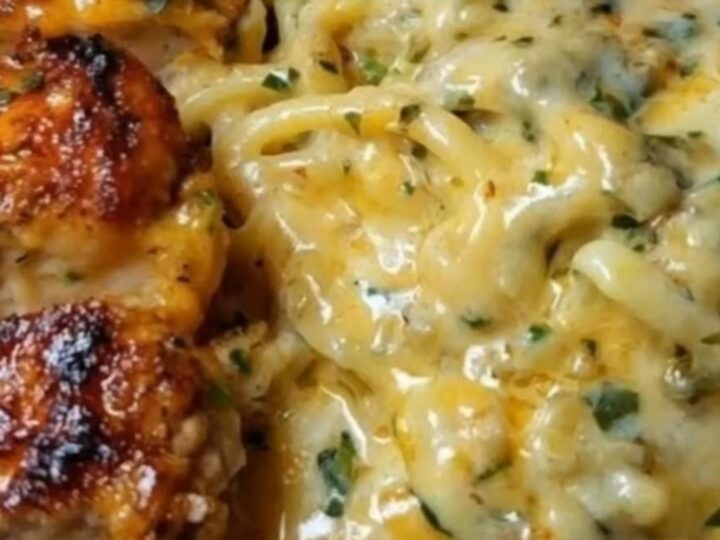
Cajun Garlic Butter Chicken Spaghetti: Creamy One-Pan Comfort
- Prep
- Cook
- Total
- Serves
- 4
If you are looking for the ultimate comfort food that brings bold flavor and rich textures to your dinner table, this Cajun garlic butter chicken spaghetti is the perfect answer. It combines the fiery, smoky warmth of Cajun spices with a decadent, velvety three-cheese cream sauce that wraps perfectly around every single strand of tender pasta. It is a restaurant-quality meal made easily at home.
This dish is a true crowd-pleaser, marrying the rustic charm of Southern Cajun seasoning with the classic luxury of an Italian-American cheese sauce. By searing the chicken in garlic butter first, you create a deeply flavorful foundation for the entire meal.
The pan juices blend seamlessly into the heavy cream and melted cheeses, ensuring that every bite is packed with savory depth. It is the perfect recipe for busy weeknights when you want something spectacular without spending hours in the kitchen, or for cozy weekend dinners with family.
Ingredients
- 12 oz spaghetti pasta
- 1 1/2 lb boneless skinless chicken breasts, sliced into strips
- 2 tbsp Cajun seasoning
- 4 tbsp unsalted butter, divided
- 4 cloves garlic, minced
- 1 1/2 cups heavy cream
- 1 cup shredded mozzarella cheese
- 1/2 cup grated parmesan cheese
- 1/2 cup shredded cheddar cheese
- 2 tbsp fresh parsley, finely chopped
Why this recipe works
The secret to the incredible flavor of this dish lies in the searing process of the chicken. When the Cajun-spiced chicken hits the hot garlic butter in the skillet, it undergoes the Maillard reaction, creating a deeply caramelized, flavorful crust.
This process not only locks in the juices of the chicken breasts, keeping them tender and moist, but it also leaves behind precious browned bits, known as fond, at the bottom of the pan. These caramelized bits are then deglazed and integrated directly into the cream sauce, elevating the entire dish's flavor profile.
Additionally, the three-cheese blend of mozzarella, parmesan, and cheddar provides a multi-dimensional flavor and texture. Mozzarella delivers that iconic, gooey stretch and mild creaminess, while parmesan adds a sharp, salty bite that cuts through the rich heavy cream.
The cheddar introduces a subtle sharpness and a warm color that beautifully complements the golden hue of the Cajun seasoning. By melting these cheeses slowly into simmering heavy cream, you create an emulsion that remains perfectly smooth and glossy without splitting.
Notes and substitutions
When preparing this recipe, selecting high-quality ingredients will yield the best results. For the chicken, boneless skinless breasts are ideal because they cook quickly and evenly when sliced into thin strips.
If you prefer a juicier cut of meat, boneless skinless chicken thighs can be substituted, though they may require a minute or two of extra cooking time. For the Cajun seasoning, look for a blend that balances paprika, garlic powder, onion powder, and cayenne pepper. Adjust the amount used based on your personal heat tolerance.
For the cheese, it is highly recommended to grate your own cheeses from solid blocks rather than purchasing pre-shredded varieties. Pre-packaged shredded cheeses are coated with anti-caking agents like potato starch, which can prevent them from melting smoothly and result in a slightly grainy sauce. Hand-shredding your mozzarella, parmesan, and cheddar guarantees a silky, decadent texture. If you need to make substitutions, a dry white wine can be used to deglaze the pan before adding the cream, adding a delightful acidity.
- heavy cream: half-and-half mixed with one tablespoon of cornstarch for a slightly lighter sauce, though it will be less rich and velvety than the original version.
- spaghetti pasta: fettuccine or penne pasta, which also hold up wonderfully to the thick, creamy three-cheese sauce.
Equipment
- Large pot
- Large skillet
- Tongs
- Whisk
- Colander
- Measuring cups and spoons
Up next · Part 2 of 3
6 steps · 20 min of cooking · what to look for at each stage
Step-by-step instructions (Part 2)