Dinner · Part 3 of 3: Tips & recipe card
Brown Butter Seared Scallops with Butternut Squash and Crispy Sage Tips, FAQ & printable recipe
- Prep
- Cook
- Total
- Serves
- 2
Tips for success
Warm the serving plates before you start cooking. Brown butter cools fast, and scallops are at their best when they go from the pan to a warm plate with their crust still crackling. A short stint in a low oven, or a few minutes on the stovetop with hot water, works well. Keeping the plates warm also prevents the glossy butter from firming up before the first bite.
Watch the butter closely from the moment it begins to foam. The change from pale gold to amber to deep brown happens quickly, and the difference between nutty and bitter is only a few seconds.
Lower the heat as soon as the milk solids turn toasty, and move the pan slightly off the burner if needed. Adding the sage before the butter is fully brown lets the leaves fry gently and crisp without scorching.
Variations
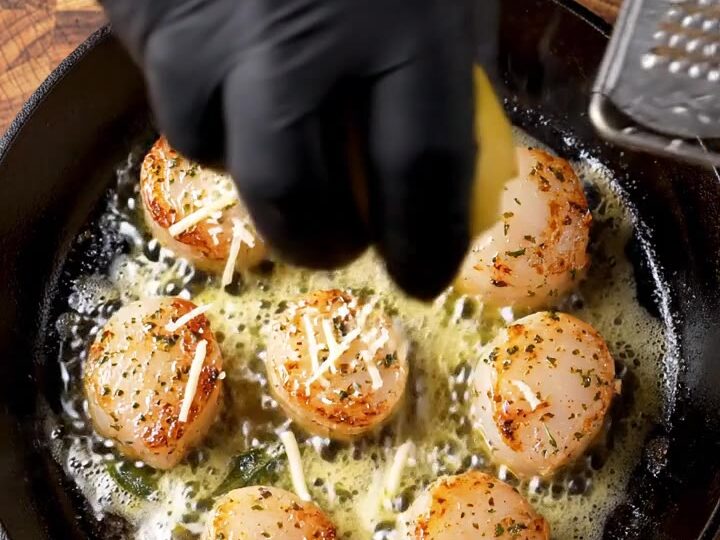
- Brown butter with lemon: Finish the scallops with a small squeeze of fresh lemon juice added to the brown butter just before serving. The acid brightens the nutty flavor and cuts through the richness of the squash and cheese.
- Extra crisp sage: Fry the sage leaves in the butter for a few seconds longer until they are brittle and dark green. Crumble a few leaves over each plate for a more pronounced crunch and toasty flavor.
- Maple squash: Toss the butternut squash in a little maple syrup with the salt before it goes into the skillet. The syrup caramelizes quickly and adds sweetness that pairs well with the savory scallops.
- Larger scallop portion: Increase the scallops to 1 pound for a more generous main course. Sear them in two batches so each one gets a deep golden crust, and keep the first batch warm while the second cooks.
Storage and make-ahead
- Fridge
- Store cooked scallops and squash in an airtight container for up to one day, with the brown butter kept separate if possible.
- Reheat
- Reheat gently in a skillet over low heat with a teaspoon of butter, just until warmed through. Do not overcook the scallops, or they will turn rubbery.
Scallops are best eaten the moment they leave the skillet, because the crust softens as they cool and the squash loses its caramelized texture. If you have leftovers, let them cool for no more than two hours at room temperature, then transfer the scallops and squash to an airtight container and refrigerate them.
Keep the brown butter separate if possible, since it will solidify when chilled and is easier to reheat on its own. Use leftovers within one day for the best texture and flavor. Do not leave cooked scallops out for longer than two hours, and discard any portion that has been held at room temperature for longer than that.
Parts of this dish can be prepared in advance to make the final cooking faster. Dice the butternut squash and store the cubes in a covered container in the refrigerator for up to one day, patted dry before cooking. Pick the sage leaves and keep them in a single layer on a dry paper towel, covered loosely, so they stay dry and do not wilt.
Grate the hard cheese and store it in a small airtight container in the refrigerator. Keep the scallops refrigerated until the moment you are ready to cook, and pat them dry only just before seasoning. The searing and browning should be done just before serving, since scallops and brown butter are best freshly cooked.
Serving ideas
Serve the scallops and squash on warmed plates as soon as they leave the skillet, spooning over the glossy brown butter and crispy sage so each portion gets a share of the sauce.
Pair the dish with something simple that will not compete with the butter. A green salad with a light vinaigrette, lightly dressed greens or a bowl of plain steamed rice all work well, and a crisp dry white wine is a classic companion for scallops.
Present the dish as a main course for a light dinner or as a starter for a larger meal, adjusting the portions to suit the number of guests. Scatter a little more grated cheese over the top just before serving so the cheese is fresh and fragrant. Offer extra black pepper at the table and serve crusty bread alongside to soak up the butter left on the plate.
Frequently asked questions
Why do your scallops turn pale instead of golden?
How do you know when brown butter is ready?
Can you use frozen scallops for this recipe?
What is the best way to cut butternut squash for even cooking?
Can you substitute another cheese?
Brown Butter Seared Scallops with Butternut Squash and Crispy Sage
Ingredients
- 12 oz large sea scallops, patted very dry
- 1 cup butternut squash, diced into small cubes
- 8 fresh sage leaves
- 3 tbsp unsalted butter
- kosher salt, to taste
- freshly ground black pepper, to taste
- 1/4 cup finely grated hard cheese, such as Parmesan
Instructions
- Pat the scallops dry with paper towels and season both sides with kosher salt and black pepper. Dice the butternut squash into small, even cubes, and pick the sage leaves from their stems. Keep the scallops refrigerated until you are ready to sear them.
- Set the cast iron skillet over medium heat and add the butter. Let it melt and begin to foam, then add the diced squash in a single layer. Season the squash lightly with salt.
- Push the squash to one side of the skillet and add the scallops in a single layer, with space between them. Season the tops with salt and black pepper, then sear without moving them until the bottoms are deep golden brown, about 2 minutes. Turn them over and sear the second side briefly.
- Add the sage leaves to the foaming butter and let them sizzle for 30 seconds. Spoon the butter over the scallops and squash repeatedly as it turns nutty and brown, for 2 to 3 minutes more.
- Keep cooking the squash in the brown butter, turning the cubes occasionally, until they are tender inside and caramelized on several sides. Check that the scallops reach 145°F (63°C) at the center, then transfer everything to a warm serving plate.
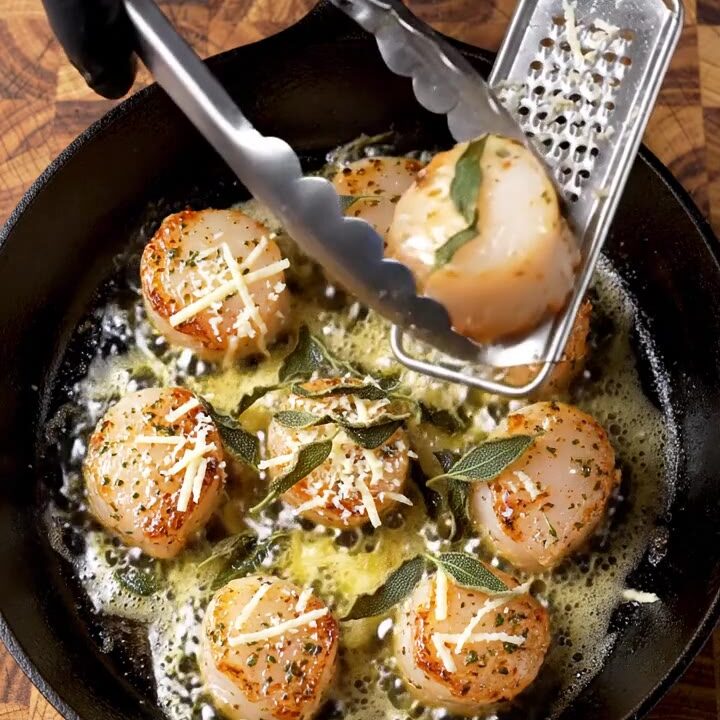
- Sprinkle the finely grated hard cheese over the seared scallops and squash while they are still hot in the skillet. Let it melt slightly against the brown butter, then spoon the remaining butter and sage over the top.
- Divide the scallops and squash between two warm plates, spooning over the brown butter and crispy sage. Serve right away while the scallops still have their golden crust.
Estimated nutrition per serving
- Calories
- 470
- Protein
- 30 g
- Carbohydrates
- 24 g
- Fat
- 28 g
- Fiber
- 3 g
- Sugar
- 5 g
- Sodium
- 620 mg
Next recipe
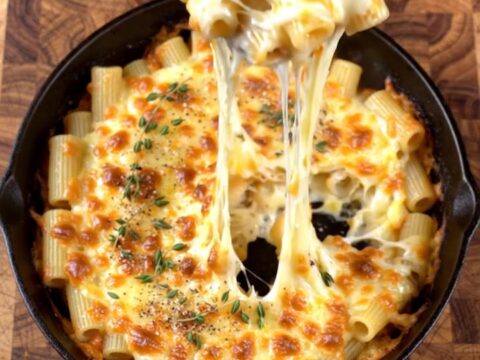
French Onion Rigatoni Bake with Gruyère in One Skillet
See the recipe → →This recipe is based on a short cooking video and is published under the pen name Clara Weller. It was checked before publication, but errors can slip through. Nutrition, when shown, is an estimate. Read more in our editorial policy and on our food safety page.
More recipes to try
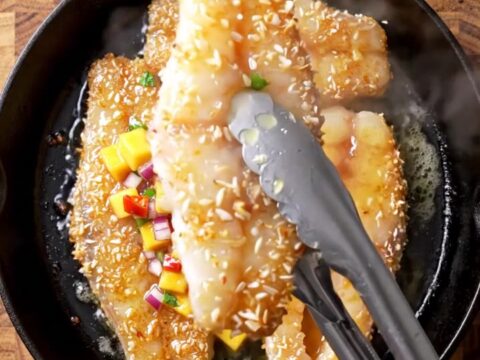
Coconut Crusted Mahi-Mahi with Mango Salsa in One Skillet
Total time: 23 min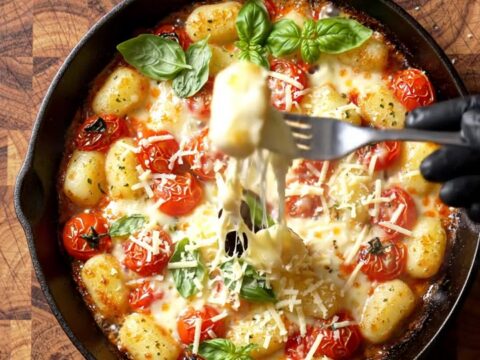
Blistered Tomato Gnocchi Skillet with Brie and Basil
Total time: 25 min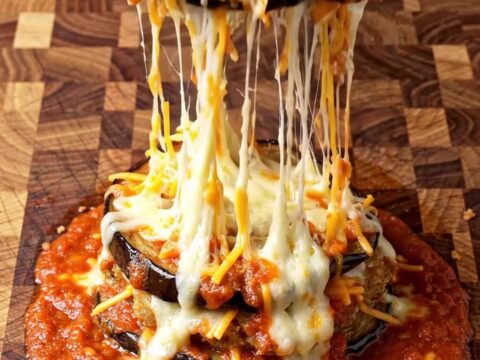
Crispy Eggplant Parmesan Stacks with Molten Mozzarella in One Skillet
Total time: 1 h 5 min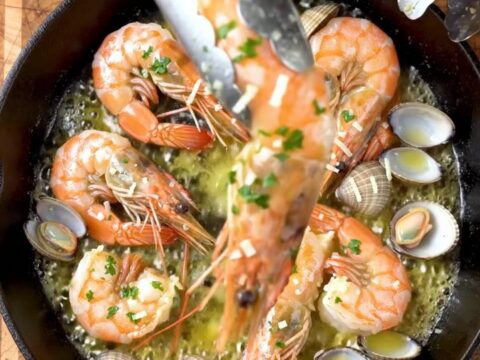
Garlic Butter Clams and Prawns in White Wine Skillet
Total time: 27 min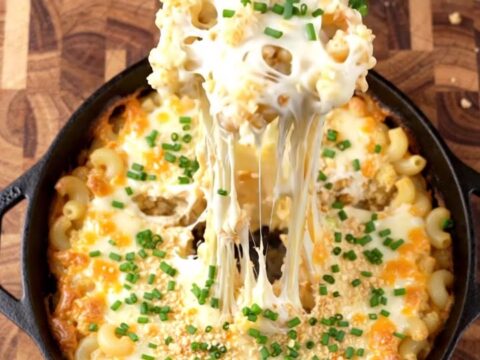
Four Cheese Cauliflower Mac and Cheese Skillet with Crispy Panko
Total time: 1 h