Dinner · Part 2 of 3: Instructions
Brown Butter Seared Scallops with Butternut Squash and Crispy Sage Step-by-step instructions
- Prep
- Cook
- Total
- Serves
- 2
Before you start
Start by drying the scallops thoroughly with paper towels, pressing gently so the surface feels dry to the touch. Season them on both sides with kosher salt and freshly ground black pepper just before cooking rather than long in advance. Dice the butternut squash into small, even cubes so that they cook through at a steady pace.
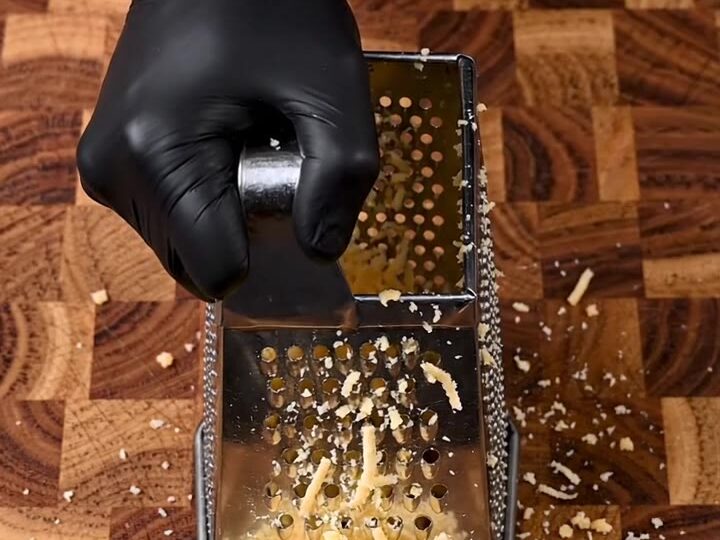
Pick the sage leaves from their stems, leaving the leaves whole, and discard any that are bruised or yellowed. Grate the hard cheese on a fine grater and set it aside in a small bowl, close to the stove. Keep the scallops refrigerated until the pan is hot, and set out a warm serving plate. Work quickly once the cooking starts, because brown butter can darken within seconds and the scallops should be plated right after searing.
Ingredients at a glance (7)
- 12 oz large sea scallops, patted very dry
- 1 cup butternut squash, diced into small cubes
- 8 fresh sage leaves
- 3 tbsp unsalted butter
- kosher salt, to taste
- freshly ground black pepper, to taste
- 1/4 cup finely grated hard cheese, such as Parmesan
Instructions
Prepare, season and melt
- Prepare the scallops and squashPat the scallops dry with paper towels and season both sides with kosher salt and black pepper. Dice the butternut squash into small, even cubes, and pick the sage leaves from their stems. Keep the scallops refrigerated until you are ready to sear them.Look for Scallop surfaces look matte and feel dry to the touch before seasoning and searing.Tip Dry scallops brown faster and more evenly than damp ones, so pat them thoroughly.
- Melt the butter in the skilletSet the cast iron skillet over medium heat and add the butter. Let it melt and begin to foam, then add the diced squash in a single layer. Season the squash lightly with salt.Look for Butter melts completely and foams, with small bubbles rising across the surface.Tip A heavy cast iron skillet holds steady heat, which gives the squash an even golden edge.
At the end of this phase the scallops are dry, seasoned and held cold, the squash cubes are cut evenly, and the sage is ready on the board. The butter has melted completely in the cast iron skillet and is beginning to foam with small bubbles rising across the surface. The kitchen smells faintly of warm butter.
Before moving on, check that the butter is fully melted and that no bits of squash are sticking to the skillet bottom. The squash should be in a single layer so each cube can take on color. If the butter is browning too quickly, lower the heat a little, because the scallops need a steady, medium-high surface to sear well without the butter burning.
Sear scallops and brown the butter
- Sear the scallops until goldenPush the squash to one side of the skillet and add the scallops in a single layer, with space between them. Season the tops with salt and black pepper, then sear without moving them until the bottoms are deep golden brown, about 2 minutes. Turn them over and sear the second side briefly.Look for Bottoms show a deep golden crust and the edges turn opaque and white.Safe temperature 145°F (63°C) internal temperature (shellfish)Tip Avoid crowding the pan; cook in two batches if the skillet looks full.
- Crisp the sage in brown butterAdd the sage leaves to the foaming butter and let them sizzle for 30 seconds. Spoon the butter over the scallops and squash repeatedly as it turns nutty and brown, for 2 to 3 minutes more.Look for Butter turns amber and smells nutty, and the sage leaves look dark green and crisp.Tip Remove the pan from the heat if the butter darkens too fast to avoid bitter flavor.
- Caramelize the squashKeep cooking the squash in the brown butter, turning the cubes occasionally, until they are tender inside and caramelized on several sides. Check that the scallops reach 145°F (63°C) at the center, then transfer everything to a warm serving plate.Look for Squash cubes are fork-tender with browned, caramelized edges, and scallop centers are opaque.Safe temperature 145°F (63°C) internal temperature (shellfish)Tip A thin knife slipped into the center of a scallop should show no translucency.
At the end of this phase the scallops have a deep golden crust on the bottom and their edges have turned opaque and white. The sage leaves have crisped and darkened slightly at the edges, and the butter has turned amber with a nutty aroma. Check each scallop by turning one gently: the bottom should be evenly browned, not pale or grey. Continue spooning the foaming butter over the scallops and squash so that every surface picks up color. If the pan looks crowded, or the scallops are steaming rather than searing, remove them to a plate and cook in two batches. Avoid letting the butter go past a deep amber, since the flavor will turn bitter.
Finish, melt cheese and serve
- Finish with grated cheeseSprinkle the finely grated hard cheese over the seared scallops and squash while they are still hot in the skillet. Let it melt slightly against the brown butter, then spoon the remaining butter and sage over the top.Look for Cheese softens and clings to the scallops, and the butter looks glossy.Tip Grate the cheese just before serving so it stays fine and fragrant.
- Serve while the crust is crispDivide the scallops and squash between two warm plates, spooning over the brown butter and crispy sage. Serve right away while the scallops still have their golden crust.Look for Scallops keep a golden crust and the squash holds its caramelized edges.Tip Scallops lose their crust quickly, so plate them as soon as they leave the pan.
At the end of this phase the squash is tender with caramelized edges, the scallop centers are opaque and reach 145°F (63°C), and the grated cheese has softened slightly against the brown butter. The sauce should look glossy and smell rich and nutty. Before serving, make sure the cheese is melting rather than browning hard, and that the sage is crisp and still visible on top. Plate the scallops and squash immediately, because the crust softens within a few minutes. Spoon the remaining brown butter and sage over each portion so every serving has a glossy finish and the contrasting crisp leaves.
Common mistakes
The most common mistake is cooking scallops that are still wet. Any surface moisture turns to steam in the pan, which prevents browning and leaves the scallops pale and rubbery. Pat them dry carefully and season just before they go into the skillet. Crowding the pan is the second problem, because too many scallops lower the temperature and they release liquid instead of searing.
Cook in batches if needed. A third mistake is burning the butter: once it turns dark brown and smells acrid, it has gone past nutty and will taste bitter, so reduce the heat or pull the pan off the burner for a moment. Finally, avoid moving the scallops too early. They need to stay undisturbed long enough to form a crust, and they release from the pan naturally when the crust is ready.
How to tell it’s done
Scallops are done when they are opaque all the way through and their bottoms show a deep golden crust. The flesh should feel firm but still tender when pressed gently with a finger, and a thin knife slipped into the center should show no translucent flesh. For food safety, the center of each scallop should reach 145°F (63°C) as measured with an instant-read thermometer.
The squash is done when a fork slides into a cube with no resistance and its edges are browned and caramelized. The sage is done when the leaves look dark green and feel crisp and brittle, and the butter is amber and smells nutty. Serve the scallops immediately, since the crust is at its best within a few minutes of leaving the pan.
- Shellfish: 145°F (63°C) in the thickest part
Up next · Part 3 of 3
4 variations · storage & make-ahead · 5 answers · printable card
Tips, FAQ & printable recipe (Part 3)← Back to the ingredients (Part 1)