Desserts · Part 3 of 3: Tips & recipe card
Black Forest Chocolate Cherry Almond Bark in 30 Minutes Tips, FAQ & printable recipe
- Prep
- Cook
- Total
- Serves
- 12
Tips for success
Chill the grated chocolate base for 10 minutes before adding the white chocolate if your kitchen is warm. A cooler base helps the swirls set crisply and keeps the layers from blending together. Keep the chilled pan away from direct sunlight so the cocoa dusting stays clear and the surface looks sharp.
Use a sharp, dry knife for cutting and wipe it between cuts. A warm or wet blade drags the chocolate and leaves smeared edges. For neat rectangles, score the bark lightly first, then cut along the same lines with one firm stroke. Let the cut pieces rest a few minutes before packing so the edges can harden fully.
Variations
- Hazelnut version: Replace the almonds with chopped roasted hazelnuts for a richer, toasted flavor. The bark keeps the same method, and the hazelnuts pair especially well with dark chocolate and cherries.
- Cranberry swap: Use dried cranberries instead of cherries for a brighter, slightly tangy bark. Chop them the same way and scatter them over the swirls and top. The color will be a deeper red.
- Orange zest bark: Stir a little finely grated orange zest into the melted white chocolate before piping. The citrus lifts the cherry and chocolate flavors and adds a fresh aroma to each piece.
- Pecan crunch: Use chopped pecans in place of almonds for a softer, buttery crunch. Toast them lightly in a dry pan before chopping to bring out their flavor, then scatter them on the top as directed.
Storage and make-ahead
- Fridge
- Refrigerating the bark is not needed for safety, but in a warm kitchen store it in a sealed container in the refrigerator for up to two weeks.
Store the bark in an airtight container at cool room temperature, away from heat, light and strong odors, since chocolate absorbs smells easily. Layer the pieces with sheets of parchment or wax paper so the cocoa dusting and drizzle stay intact. Keep the container out of direct sunlight and away from the stove or oven.
The bark keeps its snap and flavor for about two weeks when stored properly. If your kitchen is very warm, store the container in the refrigerator and bring the pieces to room temperature for about 15 minutes before serving so the flavor opens up and the texture softens slightly.
You can make the bark a few days ahead of a gathering. Prepare the base, swirls and toppings, let the slab set completely, then cut and dust the pieces the same day you plan to serve or pack them. Cutting after setting gives the cleanest edges.
Once the drizzle has set, the finished pieces hold their shape well for several days at cool room temperature. Avoid making the bark on a humid day, because moisture can cause the cocoa dusting to look patchy. For gift boxes, wrap each piece or layer them with parchment so the drizzle does not stick to the lid.
Serving ideas
Serve the bark on a dessert board alongside coffee, hot chocolate or a glass of dessert wine, and let guests break off their own pieces.
The contrast between the crisp chocolate, the chewy cherries and the crunchy almonds makes it a satisfying finish to a meal. Arrange the pieces in neat rows or a loose pile, with the cherry-studded side facing up so the color shows.
For gifting or a party platter, pack the pieces in a small box lined with parchment, separating layers with sheets of wax paper. Add a tag with the flavors listed, and keep the box cool until it is time to share.
The bark also pairs well with fresh berries or a bowl of vanilla ice cream, where the chocolate softens slightly and the cherries bring a tart note.
Frequently asked questions
Can this bark be made without a box grater?
Why does the white chocolate look grainy when it is melted?
How can you keep the cherries from sinking into the chocolate?
Can the bark be cut into shapes other than rectangles?
Is this bark suitable for storing for several weeks?
Black Forest Chocolate Cherry Almond Bark in 30 Minutes
Ingredients
- 1/2 cup whole almonds, roughly chopped
- 1/2 cup dried cherries, divided
- 8 oz dark chocolate, cold, for grating
- 3 oz white chocolate, chopped, melted
- unsweetened cocoa powder, for dusting, to taste
- white chocolate, melted, for drizzling, to taste
Instructions
- Put on disposable gloves and work on a wooden cutting board. Roughly chop the whole almonds with a chef's knife, then chop the dried cherries until you have a rough mix of nut pieces and fruit. Set aside about one third of the mix for the top.
- Hold the cold dark chocolate against the coarse side of a box grater and grate it over the board. Keep grating until you have a generous pile of fine curls and shavings.
- Line a metal baking pan with parchment paper, letting it overhang the sides. Spread the grated dark chocolate evenly across the bottom to form the base layer, pressing it lightly with your fingertips.
- Melt the chopped white chocolate in a heatproof bowl set over barely simmering water, stirring until smooth. Transfer it to a disposable piping bag and snip a small opening at the tip.
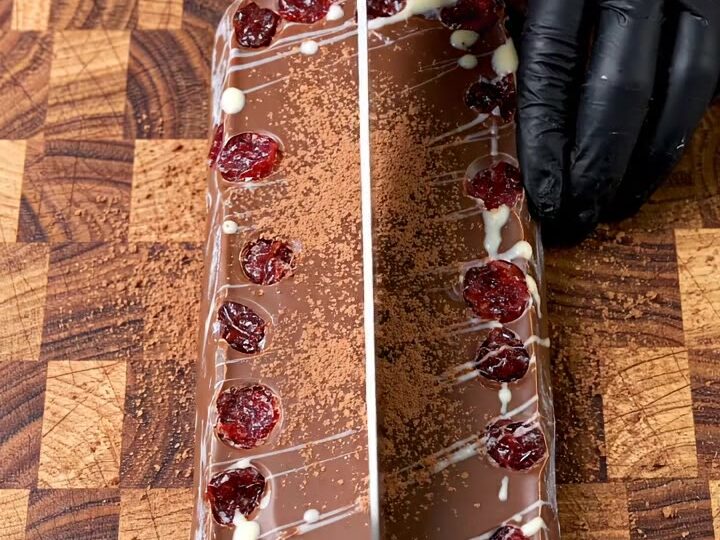
- Pipe the melted white chocolate in swirls over the dark chocolate base. Scatter about half of the reserved dried cherries across the surface, then drag a skewer or knife through the layers to create a marbled pattern.
- Sprinkle the remaining chopped almonds and cherries over the top of the bark, pressing them in gently so they stick to the surface.
- Leave the pan at cool room temperature, or in the refrigerator, until the bark is completely firm to the touch. Do not stack or move the pan while it sets.
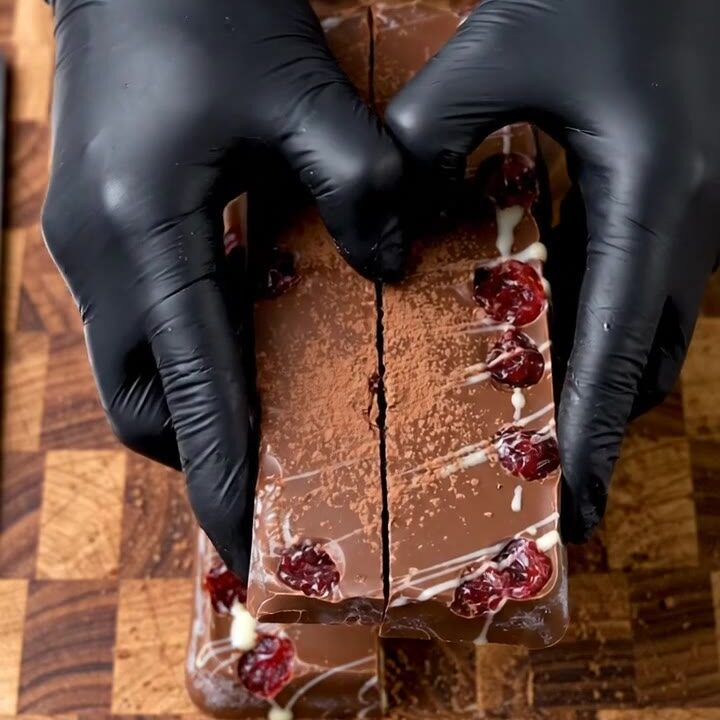
- Lift the bark out of the pan using the parchment. Cut it into rectangular pieces with a sharp knife. Dust the pieces with cocoa powder, then drizzle them with melted white chocolate and let the drizzle set before serving.
Estimated nutrition per serving
- Calories
- 240
- Protein
- 4 g
- Carbohydrates
- 24 g
- Fat
- 15 g
- Fiber
- 2 g
- Sugar
- 20 g
- Sodium
- 30 mg
Next recipe
Biscoff Cookie Butter Chocolate Bark Bars: Crunchy, Glossy, Make-Ahead Ready
See the recipe → →This recipe is based on a short cooking video and is published under the pen name Clara Weller. It was checked before publication, but errors can slip through. Nutrition, when shown, is an estimate. Read more in our editorial policy and on our food safety page.
More recipes to try
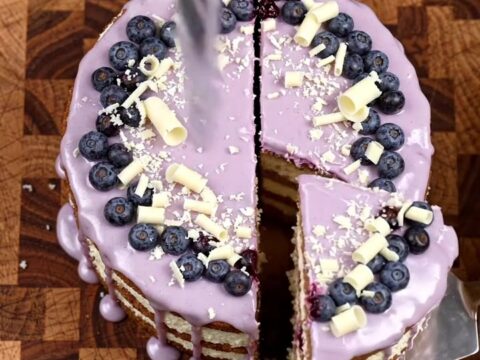
Blueberry Earl Grey Honey Mascarpone Layer Cake with White Chocolate
Total time: 6 h 20 min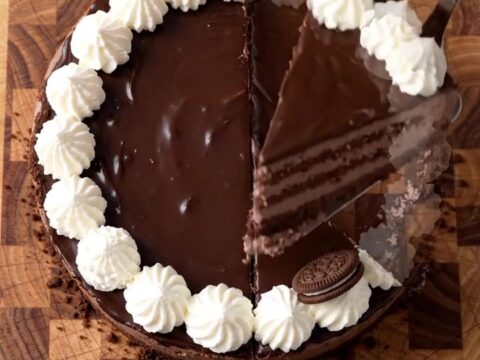
Dark Chocolate Oreo Cheesecake: Creamy, Glossy, No Water Bath
Total time: 7 h 45 min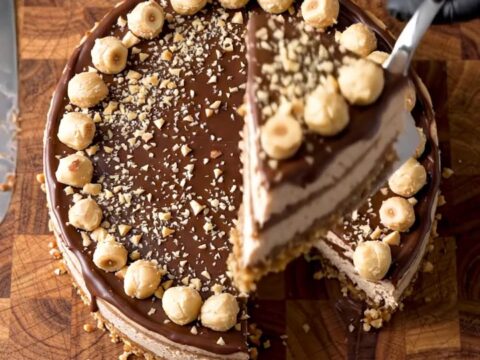
Hazelnut Chocolate Ganache Cheesecake with Praline Crunch
Total time: 6 h 45 min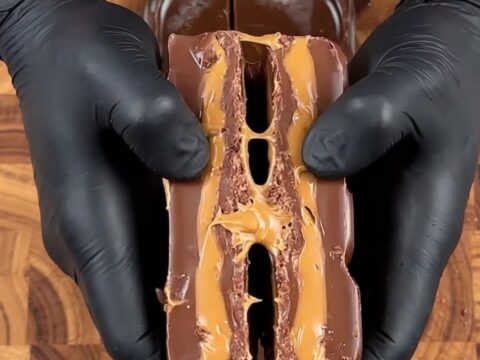
Peanut Butter Caramel Crunch Dark Chocolate Fudge in One Pan
Total time: 2 h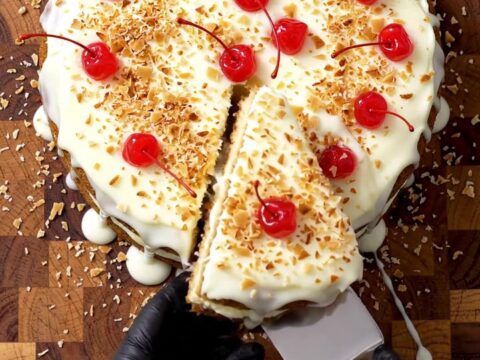
Pina Colada Tres Leches Cake with Toasted Coconut and White Chocolate
Total time: 4 h 45 min