Dinner · Part 3 of 3: Tips & recipe card
Silky Roman Carbonara with Crispy Guanciale Tips, FAQ & printable recipe
- Prep
- Cook
- Total
- Serves
- 4
Tips for success
For the crispiest guanciale, start it in a cold pan and cook it slowly over medium heat. This allows the fat to render completely before the meat browns, resulting in shatteringly crisp pieces.
Do not rush this step — the difference between chewy and glass-crisp guanciale is patience. Once crisp, remove the pan from the heat to prevent overcooking.
The egg-cheese paste should be made just before the pasta is done. Whisk it thoroughly to ensure the Pecorino is fully integrated.
If the paste sits too long, it may dry out on the surface; cover it with a plate or damp towel. Always use freshly grated Pecorino — pre-grated cheese contains anti-caking agents that can make the sauce gritty.
Variations
- Pancetta Carbonara: Substitute pancetta for guanciale for a milder, slightly smoky flavor. Cook it the same way until crisp, and follow the recipe exactly. The result is still deeply satisfying and more accessible.
- Bucatini Carbonara: Use bucatini instead of spaghetti alla chitarra. The hollow strands catch extra sauce, making each bite richer. Adjust the cooking time to keep the bucatini al dente.
- Pepper-Forward Carbonara: Increase the toasted black pepper to 1 tablespoon for a more pronounced heat. Toast the peppercorns until fragrant and crack them coarsely for bursts of flavor.
- Extra-Crispy Guanciale: Cook the guanciale a few minutes longer until deeply browned and shatteringly crisp. Reserve a handful of the crispiest pieces to sprinkle on top as a garnish.
Storage and make-ahead
- Fridge
- Store leftover carbonara in an airtight container in the refrigerator for up to 2 days. The sauce may separate, but the flavor remains delicious.
- Freezer
- Carbonara does not freeze well, as the egg-based sauce will become grainy and watery upon thawing.
- Reheat
- To reheat, place the pasta in a skillet over low heat with a splash of water or milk, tossing gently until warmed through.
Carbonara is best enjoyed immediately, but leftovers can be stored in an airtight container in the refrigerator for up to 2 days.
To reheat, place the pasta in a skillet over low heat with a splash of water or milk, tossing gently until warmed through. The sauce may lose some of its silkiness, but the flavor will still be delicious.
The components can be prepped ahead: the guanciale can be diced and refrigerated, the Pecorino grated, and the pepper toasted and cracked. The egg-cheese paste can be mixed and stored in the refrigerator for up to 2 hours. However, the final tossing must happen right before serving, as carbonara does not hold well once sauced.
Serving ideas
Serve the carbonara immediately in warm bowls. The sauce is at its silkiest moments after tossing. Top each portion with extra crispy guanciale shards and a generous shower of Pecorino Romano.
A final crack of black pepper adds a fragrant note. Pair with a simple green salad and a glass of dry white wine for a complete Roman meal.
For a more substantial meal, serve the carbonara alongside grilled vegetables or a crusty loaf of bread. The richness of the dish pairs well with something bright and acidic, like a lemon-dressed arugula salad. Keep the sides simple so the carbonara remains the star.
Frequently asked questions
Why does the carbonara sauce scramble?
Can this recipe be made without guanciale?
Is pasta water really necessary?
Can the egg yolks be replaced with something else?
How can the sauce be kept from becoming too thick?
Silky Roman Carbonara with Crispy Guanciale
Ingredients
- 12 oz spaghetti alla chitarra or thick spaghetti
- 150 g guanciale, diced
- 4 large egg yolks
- 85 g Pecorino Romano, finely grated
- 2 tsp freshly toasted cracked Tellicherry black pepper
- 90 ml starchy pasta water
Instructions
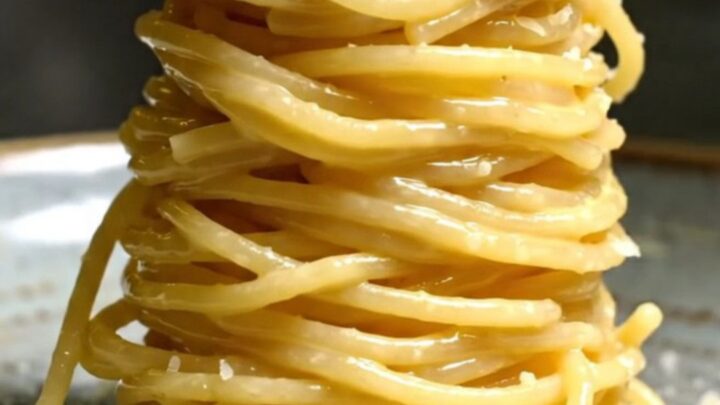
- Bring a large pot of generously salted water to a rolling boil. Add the spaghetti and cook until just shy of al dente, about 1 minute less than the package directs. While the pasta cooks, place the egg yolks in a medium bowl. Add the finely grated Pecorino Romano and the toasted cracked black pepper. Whisk vigorously until the mixture forms a thick, golden paste with no visible streaks of cheese.
- Place the diced guanciale in a cold large skillet. Set over medium heat and cook slowly, stirring occasionally, until the fat renders and the pieces become golden and glass-crisp, about 6 to 8 minutes. The guanciale should be deeply browned but not burnt. Once crisp, remove the pan from the heat and let it sit for 1 minute.
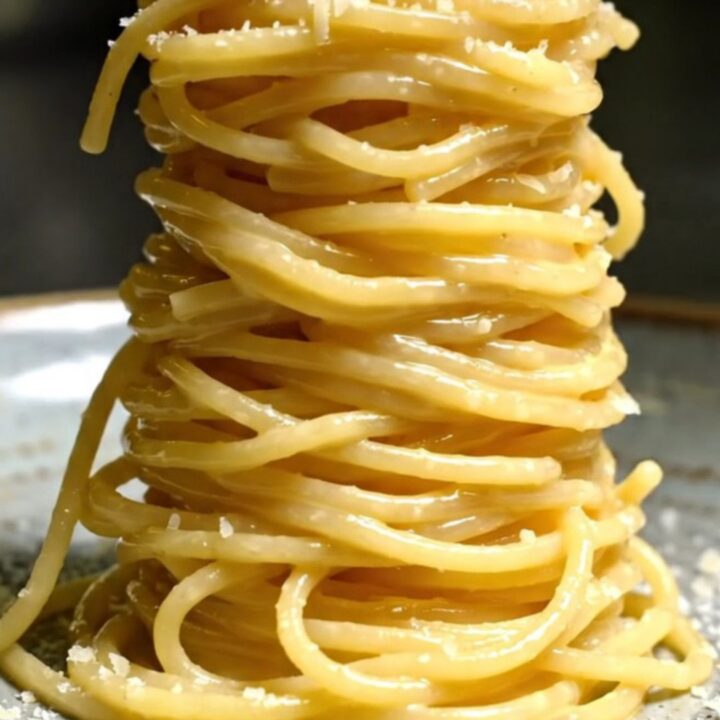
- Reserve about 1 cup of pasta water before draining. Drain the spaghetti and add it to the skillet with the guanciale. Toss quickly to coat the pasta in the rendered fat. With the pan still off the heat, pour the egg-cheese paste over the pasta. Immediately add 90 ml of the reserved starchy water. Toss and stir rapidly with tongs, lifting and turning the pasta, until the sauce becomes glossy and clings to every strand.
- If the sauce looks too thick or clumpy, add another splash of the reserved pasta water, 1 tablespoon at a time, tossing vigorously after each addition. The goal is a creamy, flowing sauce that clings to the pasta but is not dry. The pasta should be glossy and the sauce should coat the back of a spoon. Continue tossing until the sauce is smooth and emulsified.
- Divide the carbonara among warm bowls. Top each serving with extra crispy guanciale shards and a generous dusting of grated Pecorino Romano. Finish with a few cracks of black pepper. Serve at once while the sauce is still silky and warm.
Estimated nutrition per serving
- Calories
- 620
- Protein
- 24 g
- Carbohydrates
- 61 g
- Fat
- 31 g
Next recipe
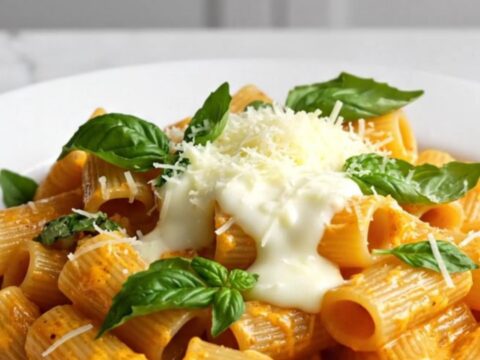
Rich Spicy Tomato Cream Rigatoni
See the recipe → →This recipe is based on a short cooking video and is published under the pen name Clara Weller. It was checked before publication, but errors can slip through. Nutrition, when shown, is an estimate. Read more in our editorial policy and on our food safety page.
More recipes to try
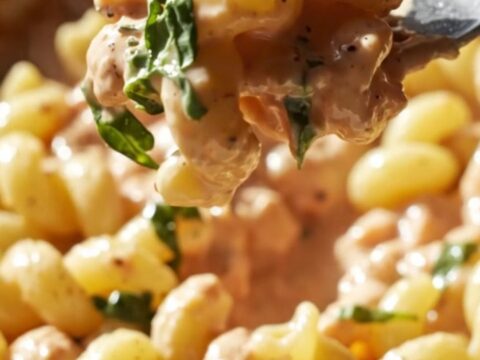
Creamy Baked Feta Pasta with Cherry Tomatoes
Total time: 35 min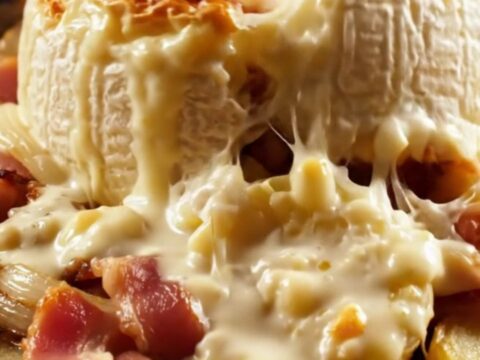
Tartiflette: Bacon & Reblochon Potato Bake
Total time: 1 h 5 min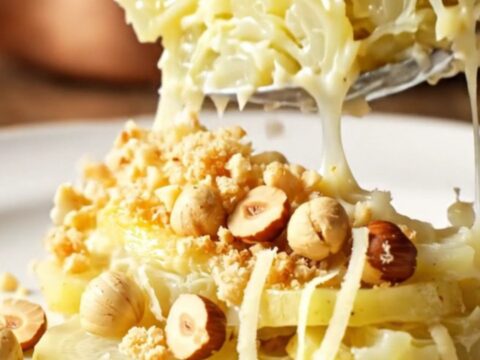
Creamy Celeriac and Potato Gratin with a Toasted Hazelnut Crust
Total time: 1 h 15 min
Crispy Soy-Honey Glazed Baby Potatoes with Shishito Peppers
Total time: 30 min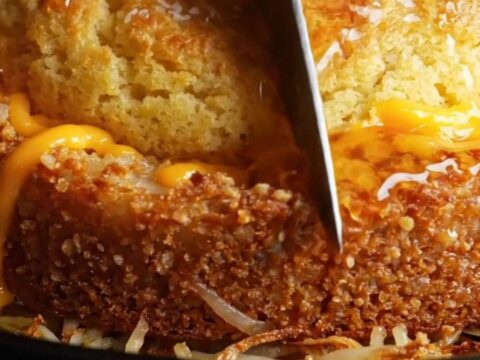
Crispy Cast-Iron Hashbrown Cornbread with Cheddar and Bacon
Total time: 47 min