Desserts · Part 1 of 3: Ingredients
Vintage Impossible Coconut Custard Pie
- Prep
- Cook
- Total
- Serves
- 8
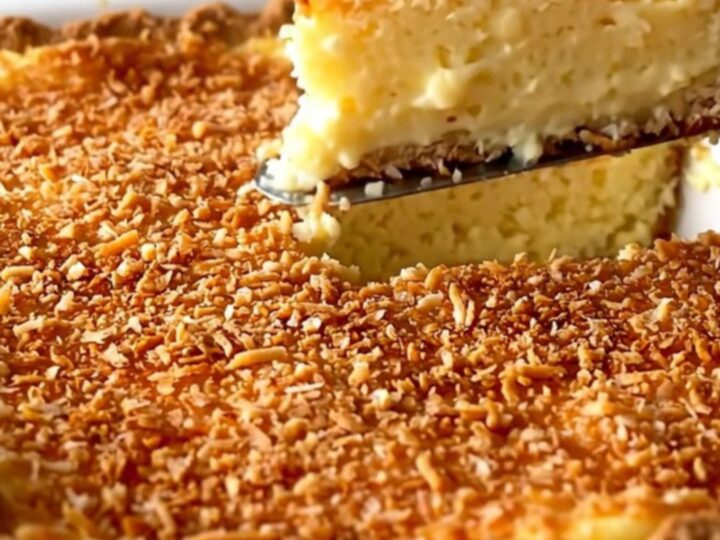
Discover the timeless appeal of a vintage impossible coconut custard pie, a dessert that defies expectations by forming its own crust during the baking process. This classic recipe relies on simple pantry staples to create a rich, comforting custard that is perfectly complemented by a layer of toasted coconut.
It is the ideal choice for those who appreciate traditional, uncomplicated sweets that deliver consistent results every single time they are prepared in the kitchen.
The impossible pie is a culinary marvel that has been cherished for generations due to its clever preparation and delicious outcome. By combining basic ingredients into a single batter, the pie separates during the baking stage, resulting in a distinct custard layer topped with a golden, toasted coconut finish.
This recipe captures that authentic, vintage spirit, focusing on the essential techniques required to achieve the perfect texture and flavor balance without any unnecessary complexity or modern distractions.
Ingredients
- 2 cups shredded coconut
- 2 cups custard batter
- 1/4 tsp ground nutmeg
Why this recipe works
The method works because the physical properties of the custard ingredients allow for natural separation as the temperature rises in the oven. As the batter heats, the shredded coconut rises to the surface to create a crisp, toasted topping, while the heavier liquid components settle into a smooth, dense custard base. This self-structuring process eliminates the need for a separate pie crust, making the dish both efficient and uniquely satisfying.
Achieving the perfect texture relies on the precise balance of the custard base and the volume of coconut used. The ceramic baking dish provides even heat distribution, which is crucial for setting the custard properly without overcooking the delicate coconut topping.
By following the recommended temperature and allowing the pie to set after baking, the custard achieves the ideal consistency, ensuring that each slice is creamy, stable, and easy to serve for any occasion.
Notes and substitutions
Selecting high-quality shredded coconut is essential for the best flavor and texture in this dessert. Sweetened coconut is typically used for this vintage recipe to provide the necessary sweetness for the custard, but unsweetened varieties can be substituted if a more balanced profile is preferred. Ensure the coconut is fresh and not overly dry, as this directly affects how well it toasts and how the final pie holds its shape after cooling.
A ceramic baking dish is highly recommended for this recipe as it retains heat effectively and promotes a gentle cooking process for the eggs. If using a different material, such as glass or metal, consider adjusting the baking time slightly to account for differences in thermal conductivity.
Always ensure the baking dish is clean and dry before starting, and avoid using non-stick sprays unless strictly necessary, as they can sometimes interfere with the natural crust formation.
- shredded coconut: shredded unsweetened coconut can be used if a less sweet profile is desired for the dessert
- ground nutmeg: ground cinnamon or ground cardamom provide a warm alternative aromatic profile for the custard
Equipment
- large ceramic baking dish
- small pitcher
- small ramekin
- spatula
- oven
Up next · Part 2 of 3
3 steps · 45 min of cooking · what to look for at each stage
Step-by-step instructions (Part 2)