Dinner · Part 2 of 3: Instructions
Vietnamese Bo Kho Beef Stew for the Crockpot Step-by-step instructions
- Prep
- Cook
- Total
- Serves
- 6
Before you start
Before you begin, ensure your beef chuck is trimmed of excess surface fat and cut into uniform two-inch cubes. Rinse your fresh herbs thoroughly and pat them dry.
Have your slow cooker clean and ready on a heat-safe surface, and ensure your aromatics are prepared and ready to be added to the pot immediately to save time.
Ingredients at a glance (12)
- 2 lb beef chuck, cubed
- 3 stalks lemongrass, bruised
- 3 pods star anise
- 1 stick cinnamon stick
- 2 tbsp tomato paste
- 3 tbsp fish sauce
- 2 cups coconut water
- 3 large carrots, sliced into thick coins
- 1/2 cup fresh Thai basil, for serving
- 1/4 cup sawtooth herb, for serving
- 1 wedge lime, for serving
- 1 loaf crusty French baguette, for serving
Instructions
Layering the aromatics
- Layering the ingredientsPlace the cubed beef chuck into the bottom of your slow cooker. Add the bruised lemongrass stalks, star anise pods, cinnamon stick, tomato paste, fish sauce, coconut water, and the thick carrot coins directly on top of the beef.Look for Ensure the beef is evenly distributed at the base for consistent cooking.Tip Bruising the lemongrass stalks with the flat side of a knife releases the essential oils.
At this stage, you are simply assembling the foundation of the stew.
Ensure the beef is at the bottom to maximize contact with the heat source, and ensure the carrots are distributed throughout the liquid so they cook evenly without becoming mushy. The pot should smell fresh and herbal as you layer the spices.
The slow simmer
- Slow cooking the stewCover the slow cooker with the lid and set it to cook on LOW for seven hours. Avoid lifting the lid during the process to maintain internal heat and moisture. Once finished, ensure the beef reaches 145°F (63°C) and let the meat rest at least 3 minutes before serving.Look for The stew is ready when the beef fibers yield easily to a spoon and the broth has thickened.Safe temperature 145°F (63°C) internal temperature (steaks, chops and roasts)Tip Cooking low and slow is essential for breaking down the connective tissue in beef chuck.
During the seven-hour cook, the kitchen will fill with the intoxicating scent of cinnamon and star anise. You should not see any vigorous boiling; the liquid should maintain a gentle, consistent simmer. Check once after six hours to ensure the liquid level is sufficient and the beef is becoming tender.
Final assembly
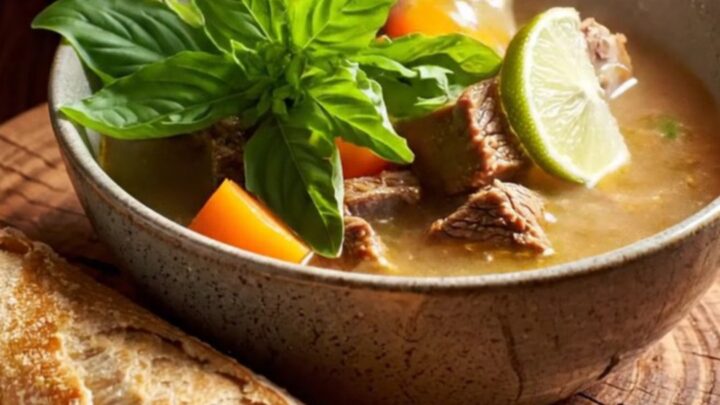
- Final seasoning and servingOnce cooked, ladle the hot Bo Kho into deep serving bowls. Garnish generously with fresh Thai basil and sawtooth herb, and serve with a squeeze of fresh lime juice and a crusty French baguette on the side for dipping.Look for The broth should have a beautiful crimson sheen on the surface from the annatto.Tip Let the stew rest for 10 minutes before serving to allow the flavors to meld perfectly.
The stew is finished when the broth has a deep, rich color and a glossy finish. The beef should be extremely tender, and the carrots should be cooked through but still hold their shape. The final aroma should be a harmonious blend of citrusy lemongrass and deep, savory spices.
Common mistakes
Avoid the temptation to increase the heat to 'high' in an attempt to speed up the process. High heat will toughen the beef before it has a chance to become tender.
Similarly, do not open the lid frequently during the cooking time. Each time the lid is lifted, heat escapes, extending the cooking time and potentially disrupting the delicate balance of the simmering liquid.
How to tell it’s done
The beef is perfectly done when a fork or spoon slides through the meat with zero resistance. The fibers should pull apart easily, indicating that the connective tissue has fully rendered.
The internal temperature of the beef should reach at least 145°F (63°C). Allow the dish to rest for 10 minutes before serving, as this helps the broth thicken slightly and ensures the meat retains its juices.
- Steaks, chops and roasts: 145°F (63°C) in the thickest part, then a 3-minute rest
Up next · Part 3 of 3
2 variations · storage & make-ahead · 3 answers · printable card
Tips, FAQ & printable recipe (Part 3)← Back to the ingredients (Part 1)