Desserts · Part 2 of 3: Instructions
Ultra-Rich Dark Chocolate Fudge Cake Step-by-step instructions
- Prep
- Cook
- Total
- Serves
- 12
Before you start
Ensure that the sponge layers are completely cooled before beginning assembly, as warmth can cause the frosting to melt and lose its structure. Prepare the ganache and keep it at a warm, pourable temperature. Have the offset spatula and a clean work area ready.
If using a turntable, verify that it is stable and clean. Having all components within reach will streamline the assembly process and help maintain the ideal temperature for the ganache, resulting in a consistent finish throughout the entire cake.
Ingredients at a glance (3)
- 3 layers chocolate sponge cake layers, store-bought or made ahead
- 1 cup dark chocolate ganache, prepared and kept warm
- 2 cups chocolate textured frosting
Instructions
Foundation Assembly
- Prepare the BasePlace the first chocolate sponge cake layer onto the center of the pedestal glass stand. Ensure the surface is level and ready for the initial layer of frosting.Look for The cake layer sits firmly on the stand.Tip Use a cake turntable to make rotating the base easier during the frosting process.
At this stage, the base cake layer is securely placed on the pedestal stand. It should be centered and stable, providing a solid foundation for the subsequent layers. Check that the surface is level and clean, ensuring that the initial layer of frosting will adhere evenly without shifting. The cake should be positioned perfectly in the center of the stand to ensure the final presentation is symmetrical and professional.
Layering and Texturing
- Frost and StackApply a thin, even layer of chocolate textured frosting over the first sponge layer using the offset spatula. Repeat the process with the remaining layers, ensuring they are perfectly aligned for a clean vertical structure. If preparing a homemade custard-based frosting, ensure it is cooked to 160°F (71°C) to ensure the eggs are fully cooked.Look for The layers are neatly stacked with even frosting distribution.Safe temperature 160°F (71°C) internal temperature (egg dishes)Tip Wipe the offset spatula clean between each application to keep the frosting texture consistent and clean.
The cake is now fully stacked, with alternating layers of sponge and textured frosting. The sides should look uniform, with the frosting swirls clearly defined. Check for any gaps between the layers; if any are present, fill them carefully with a small amount of extra frosting.
The entire structure should feel solid and upright, ready for the final glaze application. This is the last opportunity to refine the shape before the ganache is added.
Final Glazing
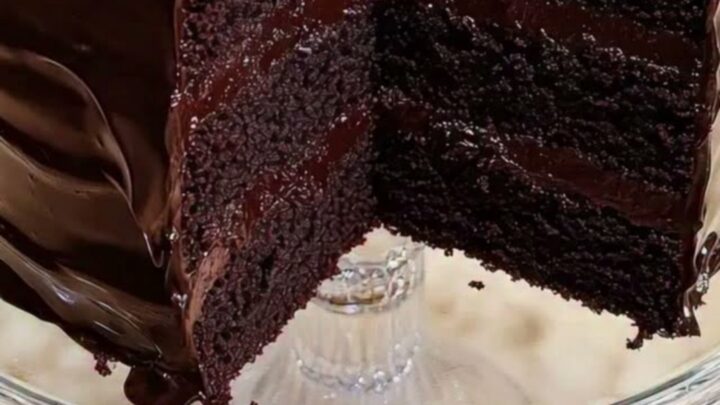
- Glaze and FinishPour the warm dark chocolate ganache slowly over the top of the stacked cake, allowing it to drip naturally down the sides. Use the offset spatula to lightly swirl the remaining frosting on the exterior for a textured, professional appearance.Look for The ganache provides a glossy, smooth finish over the textured frosting.Tip Pour the ganache while it is still warm but slightly thickened for the best coverage and shine.
The cake is finished with a glossy ganache coating that drips gracefully over the sides. The contrast between the dark, shiny glaze and the textured frosting creates a sophisticated look.
Check that the ganache has covered the top surface completely and that the drips are consistent. The cake should now look polished, with the textures and shine properly integrated into a cohesive, inviting dessert that is ready for slicing and service.
Common mistakes
A common mistake is applying the ganache while it is too hot, which can cause the frosting to melt and run off the sides of the cake. Another error is failing to level the sponge layers properly, leading to an unstable stack that may lean or collapse.
Avoid overworking the frosting; excessive handling can compromise the desired textured effect. Finally, ensure the cake is placed on a stable surface during the entire process to prevent accidental slipping or uneven distribution of the ganache.
How to tell it’s done
The cake is considered finished when the ganache has set into a glossy, smooth layer over the sides and top of the cake. The textured frosting should remain visible through the glaze, creating a multi-dimensional appearance. The structure should feel firm to the touch, and the layers should be well-adhered to one another. If preparing a custard-based frosting, ensure it reaches 160°F (71°C) for safety.
- Egg dishes: 160°F (71°C) in the thickest part
Up next · Part 3 of 3
2 variations · storage & make-ahead · 3 answers · printable card
Tips, FAQ & printable recipe (Part 3)← Back to the ingredients (Part 1)