Desserts · Part 1 of 3: Ingredients
Turkish Marble Swirl Loaf Cake: Golden, Moist, and Quick
- Prep
- Cook
- Total
- Serves
- 10
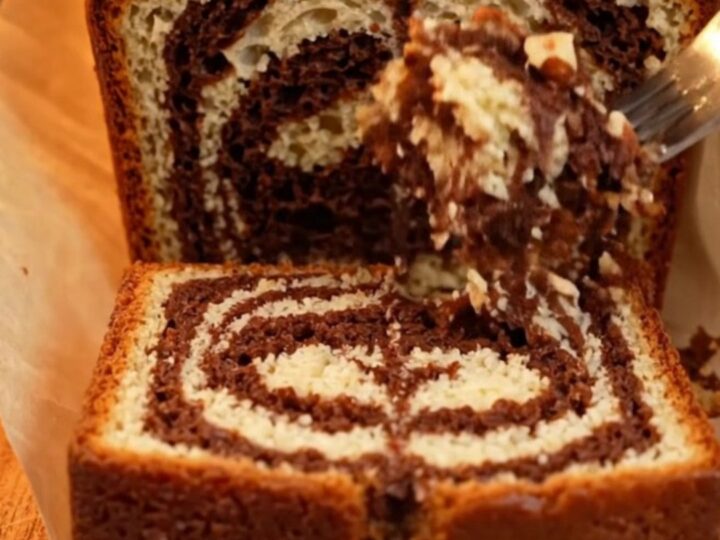
This Turkish Marble Swirl Loaf Cake is a showstopper that comes together in minutes. With a golden vanilla base and rich cocoa ribbons, each slice reveals a stunning zebra pattern. Topped with roasted hazelnuts, it's moist, tender, and perfect for any gathering.
The simple technique of layering batters creates a beautiful marbled effect that looks professional but is surprisingly easy. Whether served with coffee or as an afternoon treat, this loaf is sure to impress.
Marble cake has long been a favorite, but this Turkish version takes it to the next level with a striking zebra pattern and crunchy hazelnut topping. The batter is divided into vanilla and chocolate, then spooned into the pan in alternating dollops.
The result is a beautiful, swirled interior that contrasts dark cocoa waves with a fluffy, golden crumb. This recipe uses basic pantry ingredients and a straightforward method, making it accessible for bakers of all levels. The cake bakes into a domed, golden loaf with a tender, moist texture that stays fresh for days.
Ingredients
- 3 large eggs
- 1 cup granulated sugar
- 1/2 cup whole milk
- 1/2 cup vegetable oil
- 2 cups all-purpose flour
- 2 tsp baking powder
- 1/2 tsp salt
- 1 tsp vanilla extract
- 3 tbsp unsweetened cocoa powder
- 1/2 cup chopped roasted hazelnuts
Why this recipe works
The method of beating eggs and sugar for a full three minutes is key to this cake's light, airy texture. The vigorous beating incorporates air into the egg mixture, creating a foam that leavens the cake without relying heavily on baking powder.
This technique, similar to a sponge cake, ensures a tender crumb that is neither dense nor dry. The ribbon stage—when the batter falls from the beaters in a thick, slow ribbon—indicates that enough air has been whipped in.
Layering the batters in alternating spoonfuls, rather than pouring them all at once, is what creates the distinct zebra pattern. The contrasting colors remain separate because the batters are thick enough to hold their shape. Drawing a knife through the layers in S-curves creates the swirl without fully blending the colors. This technique gives the cake its signature look while keeping each bite moist and flavorful.
Notes and substitutions
Use room-temperature eggs for the best volume when beating. Cold eggs do not whip as well and can result in a denser cake. Whole milk adds richness, but any milk will work; for a tangier flavor, buttermilk is a great substitute. Vegetable oil keeps the cake moist and neutral in flavor, but melted coconut oil or canola oil are also good choices. Choose a good-quality unsweetened cocoa powder for a deep chocolate flavor.
All-purpose flour provides the right structure for this loaf. Be careful not to overmix the batter once the flour is added, as this can develop gluten and make the cake tough.
The chopped roasted hazelnuts add a pleasant crunch and nutty flavor; if you prefer, you can omit them or use walnuts. For a nut-free version, simply skip the topping. This recipe is versatile and forgiving, so feel free to adjust the flavorings to your liking.
- whole milk: Any milk (2%, almond, oat) works. For a richer cake, use buttermilk.
- vegetable oil: Melted coconut oil or a neutral oil like canola or sunflower.
- chopped roasted hazelnuts: Chopped walnuts or pecans, or omit for a nut-free version.
- unsweetened cocoa powder: Dutch-processed cocoa for a deeper color and milder taste.
Equipment
- Electric hand mixer
- Large mixing bowl
- Medium mixing bowls
- 9x5-inch loaf pan
- Parchment paper
- Rubber spatula
- Wire rack
Up next · Part 2 of 3
9 steps · 45 min of cooking · what to look for at each stage
Step-by-step instructions (Part 2)