Breakfast · Part 1 of 3: Ingredients
Turkish Black Sea Mıhlama: One-Pan Melting Cheese Fondue
- Prep
- Cook
- Total
- Serves
- 4
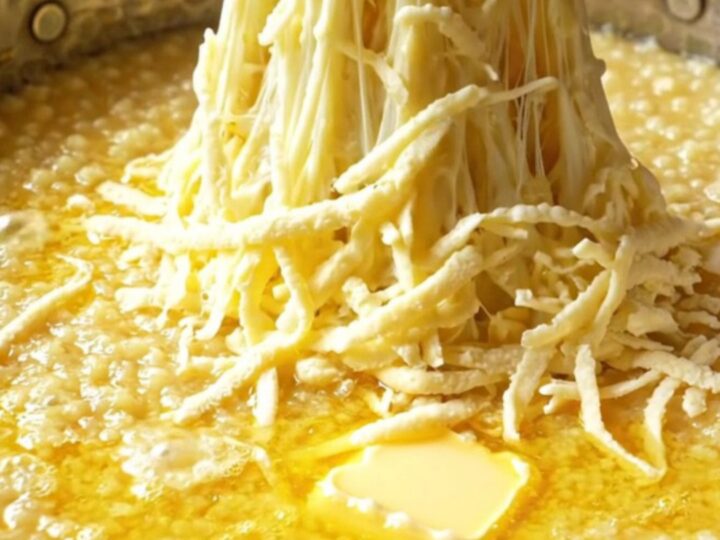
This is the breakfast that defines Turkey's Black Sea coast: a copper pan of toasted cornmeal, village butter, and melted Kolot cheese, served bubbling with a pull that reaches for the ceiling. Mıhlama is part fondue, part polenta, and entirely comforting.
The method is almost absurdly simple—toast, add water, pile on cheese—yet the result is a silky, stretchy, deeply savory dish that feels both rustic and indulgent. Scoop it up with crusty bread and taste why it has become a beloved morning tradition from Trabzon to Rize.
Mıhlama (also called kuymak) is a beloved breakfast dish from the Black Sea region of Turkey, where cornmeal and cheese are pantry staples. This version stays true to the classic: rich village butter is melted in a traditional copper sahan, yellow cornmeal is toasted until nutty, boiling water turns it into a smooth porridge, and a generous pile of shredded Kolot cheese melts on top without stirring.
The result is a golden, buttery, cheese-pull extravaganza that you eat straight from the pan with hunks of crusty bread. It is a one-pan wonder that comes together in about 15 minutes, yet tastes like a slow-simmered mountain tradition.
Ingredients
- 3 tbsp Turkish village butter (tereyağı) or unsalted butter
- 3 tbsp yellow cornmeal (mısır unu)
- 1 cup boiling water
- 200 g (7 oz) Turkish Kolot or Trabzon cheese (or aged kashar/provolone), shredded
- crusty village bread, for serving
Why this recipe works
Toasting the cornmeal in butter before adding liquid is the crucial first step. The dry heat coaxes out the corn's natural nuttiness and prevents the final dish from tasting raw or pasty. As the grains sizzle in the foaming butter, they absorb the rich flavor, laying a savory foundation that carries through every bite. This technique also helps the cornmeal thicken evenly once the boiling water is added, creating a smooth, cohesive base rather than a lumpy one.
Letting the shredded cheese melt on top without stirring is what gives mıhlama its signature texture. As the cheese softens, it sinks into the hot cornmeal while the butter rises to the surface, creating distinct layers of creamy cheese and glossy butter.
When you finally fold everything together, the cheese stretches into long, elastic strands that cling to bread and spoons alike. This gentle approach preserves the cheese's structure, so it stays silky and pulls dramatically instead of turning greasy or clumping.
Notes and substitutions
The traditional fat is Turkish village butter, which is cultured and lightly salted, with a deep, almost grassy aroma. If you cannot find it, use a high-quality unsalted butter—preferably European-style with a higher fat content—to mimic that richness.
The cheese is the heart of the dish: Kolot or Trabzon cheese are semihard, salty, and melt beautifully. Aged kashar or provolone are excellent substitutes, but avoid young mozzarella or processed cheese, which can become stringy or greasy.
A copper sahan (a shallow, double-handled pan) is traditional and distributes heat beautifully, but any heavy-bottomed skillet or small sauté pan works. The key is even heat so the cornmeal toasts without scorching and the cheese melts gently. Use a wooden spoon to stir and fold; it is gentle on the pan and gives you good control. Serve immediately from the pan—mıhlama is meant to be eaten bubbling hot, and it will thicken as it cools.
- Turkish village butter: Use unsalted European-style butter for a richer, more aromatic result.
- Kolot or Trabzon cheese: Aged kashar or provolone work well; both melt smoothly and have a similar salty, nutty character.
- Yellow cornmeal: Fine or medium-grind cornmeal; avoid coarse polenta, which will not soften in the short cooking time.
- Crusty village bread: Sourdough or a rustic baguette with a sturdy crust is ideal for scooping.
Equipment
- Copper or heavy-bottomed sahan (or a small skillet)
- Wooden spoon
- Box grater
- Measuring spoons
- Kettle or small pot for boiling water
Up next · Part 2 of 3
5 steps · 10 min of cooking · what to look for at each stage
Step-by-step instructions (Part 2)