Desserts · Part 2 of 3: Instructions
Coconut Tres Leches Cake Soaked in Sweet Coconut Milk Step-by-step instructions
- Prep
- Cook
- Total
- Serves
- 12
Before you start
Before starting, bring the eggs to room temperature for the best volume. Grease a 9x13-inch baking pan and set aside. Gather all the ingredients for the sponge, the coconut milk bath, and the topping.
For the topping, make sure the heavy cream is well chilled, and if using coconut rum, have it measured. The cake needs to chill for at least 6 hours, so plan accordingly. It's also a good idea to toast the shredded coconut in a dry skillet over medium heat until golden, then set aside to cool.
Ingredients at a glance (12)
- 5 large eggs
- 1 1/2 cups all-purpose flour
- 1 cup granulated sugar
- 1 tsp vanilla extract
- 1 2/3 cups coconut milk
- 1 1/4 cups sweetened condensed milk
- 3/4 cup heavy cream
- 2 tbsp coconut rum
- 1 1/2 cups heavy cream
- 2 tbsp confectioners' sugar
- 1/2 cup sweetened shredded coconut, toasted
- 1 tbsp fresh lime zest
Instructions
Bake the Airy Sponge
- Prepare the SpongeHeat the oven to 350°F (175°C). Grease a 9x13-inch baking pan. In a large bowl, beat the eggs and sugar with an electric mixer on high speed until thick, pale, and tripled in volume, about 5 minutes. Beat in the vanilla. Sift the flour over the egg mixture and fold gently with a rubber spatula until just combined, being careful not to deflate the batter. Pour the batter into the prepared pan and spread evenly.Look for The batter is thick, pale, and holds a ribbon shape when the whisk is lifted.Tip Make sure the eggs are at room temperature for maximum volume.
- Bake the SpongeBake the sponge for 25 minutes, or until the top is golden brown and a toothpick inserted in the center comes out clean. The cake should spring back when lightly pressed. Remove from the oven and let cool in the pan on a wire rack for 15 minutes.Look for The cake is golden, fragrant, and a toothpick comes out clean.Tip Do not overbake; the sponge should remain moist.
The sponge is golden, fragrant, and springy to the touch. The batter was light and airy, and the cake has risen evenly in the pan.
It should be fully cooked through, with a toothpick coming out clean. The texture is tender and moist, ready to soak up the coconut milk bath. Allow it to cool for 15 minutes before proceeding.
Soak the Cake
- Make the Coconut Milk BathIn a medium saucepan, combine the coconut milk, sweetened condensed milk, and heavy cream. Warm over medium heat, whisking occasionally, until the mixture is smooth and just steaming, about 3 minutes. Do not let it boil. Remove from heat and stir in the coconut rum.Look for The mixture is warm, smooth, and fragrant with coconut and rum.Tip Warming the soak helps the cake absorb it more evenly.
- Soak the CakeWhile the cake is still warm, pierce the entire surface all over with a wooden skewer or fork. Slowly pour the warm coconut milk bath over the cake, making sure to cover every inch. Let the cake absorb the liquid for a few minutes, then cover and refrigerate for at least 6 hours or overnight.Look for The cake is saturated and the liquid is absorbed into the sponge.Safe temperature 160°F (71°C) internal temperature (egg dishes)Tip Pour the bath slowly and evenly to ensure even soaking.
The cake is now saturated with the warm coconut milk bath. The liquid has been absorbed, leaving a moist, dense sponge. The surface is evenly soaked, and the aroma is rich with coconut and rum. The cake is now ready for its long chill in the refrigerator to set the flavors and texture.
Top and Serve
- Whip the ToppingIn a cold bowl, beat the heavy cream and confectioners' sugar with an electric mixer on medium-high speed until soft peaks form, about 3 minutes. The cream should be smooth and hold a gentle peak when the whisk is lifted.Look for The cream is thick and holds soft peaks.Tip Chill the bowl and beaters for best results.
- Frost and GarnishSpread the whipped cream evenly over the chilled cake. Sprinkle with toasted coconut and lime zest. Cut into squares and serve cold.Look for The cake is covered in fluffy cream and topped with coconut and lime.Tip Use a spatula to create swirls in the cream for a pretty finish.
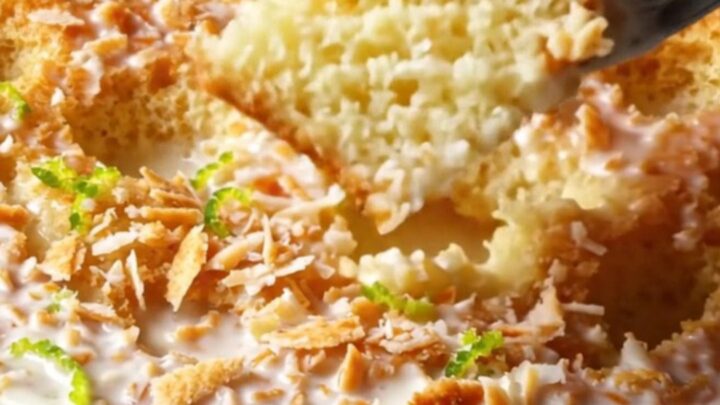
The cake is covered with a thick layer of whipped cream, topped with toasted coconut and lime zest. The cream is smooth and holds soft peaks, and the coconut is golden and crunchy. The finished cake is cold, creamy, and beautifully garnished, ready to be sliced and served.
Common mistakes
One common mistake is overbeating the eggs, which can make the sponge tough. Beat just until thick and pale, then fold in the flour gently. Another is overbaking the sponge, which can dry it out; check at 25 minutes and remove immediately.
When pouring the soak, do it slowly and evenly to avoid pooling. If the cake is too warm when you add the soak, it can become mushy; let it cool for 15 minutes. Finally, don't skip the chilling time—it's essential for the cake to absorb the liquid fully.
How to tell it’s done
The sponge is done when it's golden brown on top and a toothpick inserted in the center comes out clean. The cake should spring back when lightly pressed. The soak should be warm and smooth, not boiling.
The cake is fully soaked after chilling for at least 6 hours; the liquid should be fully absorbed, and the cake should look moist and dense. The whipped cream should hold soft peaks and be spreadable. The finished cake should be cold and creamy, with the topping set.
- Egg dishes: 160°F (71°C) in the thickest part
Up next · Part 3 of 3
4 variations · storage & make-ahead · 5 answers · printable card
Tips, FAQ & printable recipe (Part 3)← Back to the ingredients (Part 1)